Ultra-high carb loading is the norm for pros – just how far can ordinary cyclists push it?
Well-trained pro riders with huge power outputs are consuming ever-larger amounts of carbohydrates per hour, but there’s far more to fuelling than volume
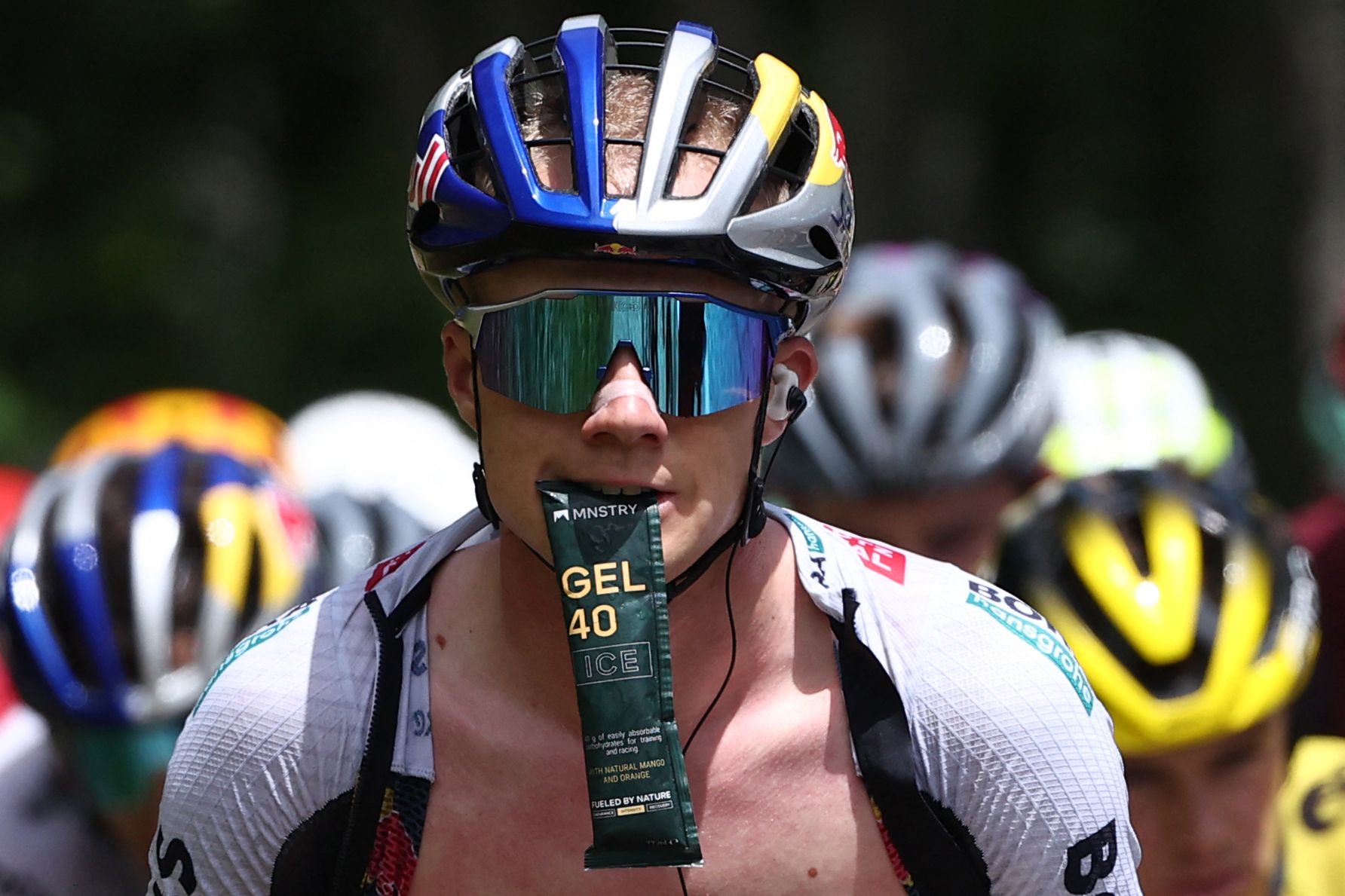
Serious riders know that consuming carbohydrates is crucial for maintaining energy levels during extended rides. When body stores of carbs run low, the body relies more on fat oxidation, leading to a decline in performance. Consequently, professional teams and riders invest significant time and money into fine-tuning their carb intake.
In recent years, it has become common for riders to consume up to 140g of carbs per hour, with some going even higher. However, this practice may not be suitable for amateur cyclists, as it can lead to discomfort or even disaster, as seen in Tom Dumoulin's experience during the 2018 Giro d'Italia. While it may seem tempting for amateur cyclists to mimic the carb intake of WorldTour riders, it is essential to consider proper gut training and the potential drawbacks, as exceeding the recommended intake can be expensive and wasteful if it doesn't yield any benefits.
Research conducted by Belgian team Lotto-Intermarché in collaboration with Ghent University explored the limits of carb intake for cyclists. Participants drank a liquid containing 140g of carbs per hour while cycling on a static bike for 180 minutes. The mixture contained special isotopes to measure how much of the carbohydrates were effectively used by the body.
The study found that the riders were able to absorb and utilize a significant amount of the ingested carbohydrates, which could potentially help maintain performance levels for longer periods, including during the final hour of a race. However, individual results varied, and more carbohydrate intake does not necessarily mean better performance.
Dr Kobe Vermeire, a postdoctoral researcher at UGent and coach at Lotto-Intermarché, emphasizes that professional athletes are well-trained in tolerating high carb intake, but recreational athletes should exercise caution when trying to replicate such extreme levels of carb consumption.
Rewritten by urgent.news; may contain errors — check the original.
Source: cyclingweekly.com