ULA traces Vulcan Centaur rocket failure to 'inadequate fuel supply' to 1st-stage engines
United Launch Alliance has traced the Nov. 15 failure of its Vulcan Centaur rocket to an inadequate supply of propellant to the vehicle's first-stage engines.
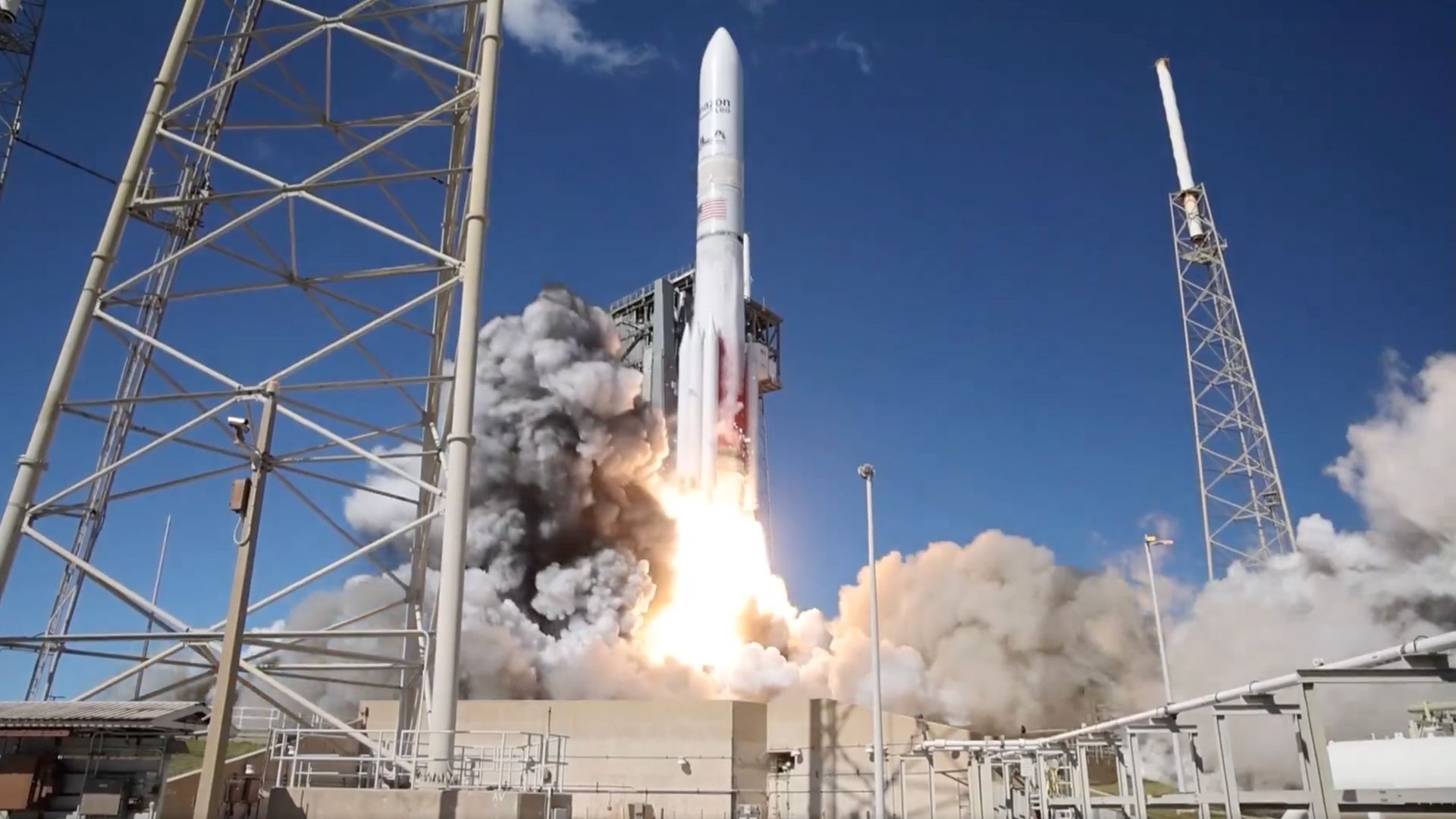
United Launch Alliance (ULA) is investigating the cause of the recent failure of its Vulcan Centaur rocket during a launch from Florida's Space Coast on Sunday (Nov. 15). The loss of 40 Amazon Leo internet satellites was the result of the anomaly, which primarily affected the rocket's first stage. Preliminary indications suggest that the low booster thrust was due to an inadequate fuel supply from the vehicle to the BE-4 engines, rather than a performance issue with the engines themselves.
This is positive news for Blue Origin, the aerospace company that builds the BE-4 engines. Both Blue Origin's New Glenn rocket and Vulcan Centaur feature six BE-4 engines in their first stage, depending on the configuration. ULA had previously reported that Vulcan's six solid rocket boosters (SRBs) and its Centaur V upper stage appeared to perform well during the failed launch.
Vulcan Centaur has experienced issues with its SRBs in the past, notably on its second and fourth flights when an SRB nozzle burned through and fell off, causing a 30-second delay in flight. However, the rocket recovered and successfully delivered its payload to orbit both times. After the February SRB issue, ULA and Northrop Grumman, the SRB manufacturer, made adjustments to the nozzle design, which appeared to resolve the problem.
The fifth flight of the two-stage Vulcan Centaur, which debuted in January 2024, was the only one to result in a failure. The current grounding period for the rocket is uncertain and will depend on the outcome of ULA's anomaly investigation, which is overseen by the U.S. Federal Aviation Administration.
Written by urgent.news from Space.com's reporting — not their text. Machine-written — may contain errors; check the original before relying on it.
Also reported by 1 other outlet
- The Vulcan rocket failure could haunt U.S. spaceflight for years to come scientificamerican.com