The Technical Challenges of Moving Tokenized Deposits Between Banks
Why can't tokenized deposits move freely between banks? Explore settlement, interoperability, reconciliation, JPM Coin, and Project Agorá.
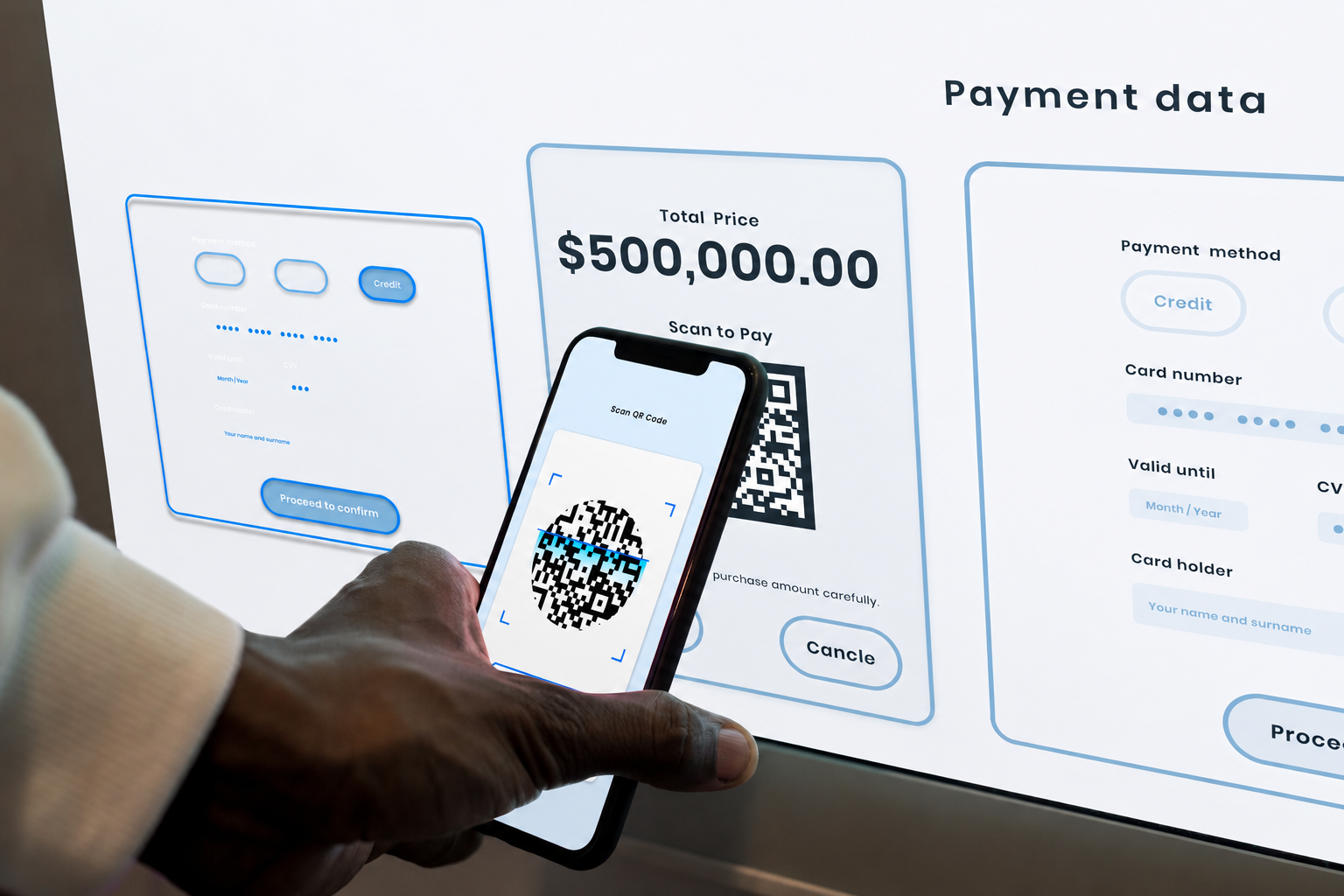
Tokenized deposits on a blockchain allow banks to issue digital representations of money that can be transferred instantly among approved accounts. However, the recipient bank must still determine whether it can accept the token and process the payment using its existing systems. If the token cannot be accepted directly, the company may need to redeem the tokens with the issuing bank and then transfer the funds through a traditional payment network.
This extra step can complicate and slow down transactions for businesses that move money across multiple banks.
While blockchain technology improves speed, banks still need to establish rules and procedures to ensure that tokenized deposits are properly accepted and reconciled in their accounting systems. A token is not the same as a transferable deposit from another bank, so the recipient must understand the rights associated with the token and how it can be processed. Banks are working on solutions like shared platforms that can coordinate various aspects of the payment, but the practical challenges remain.
When a payment involves tokenized dollars moving from one bank to another, the recipient bank must verify the issuing bank, confirm that the token meets its requirements, and ensure that it can credit the supplier's account. This requires coordination between the two institutions and careful accounting to reconcile the transaction.
Failures in communication or technical issues with the blockchain can lead to disputes if the banks disagree about the status of the payment. Overall, while tokenized deposits offer many benefits, banks must carefully navigate the technical and financial hurdles to make these transfers truly useful for all parties involved.
Written by urgent.news from HackerNoon's reporting — not their text. Machine-written — may contain errors; check the original before relying on it.