The importance of work-life balance for mental health
Your job may be quietly shaping your sleep, your mood, and your joy more than you realize. Read on to spot the signs of imbalance and learn simple habits that bring your calm back.
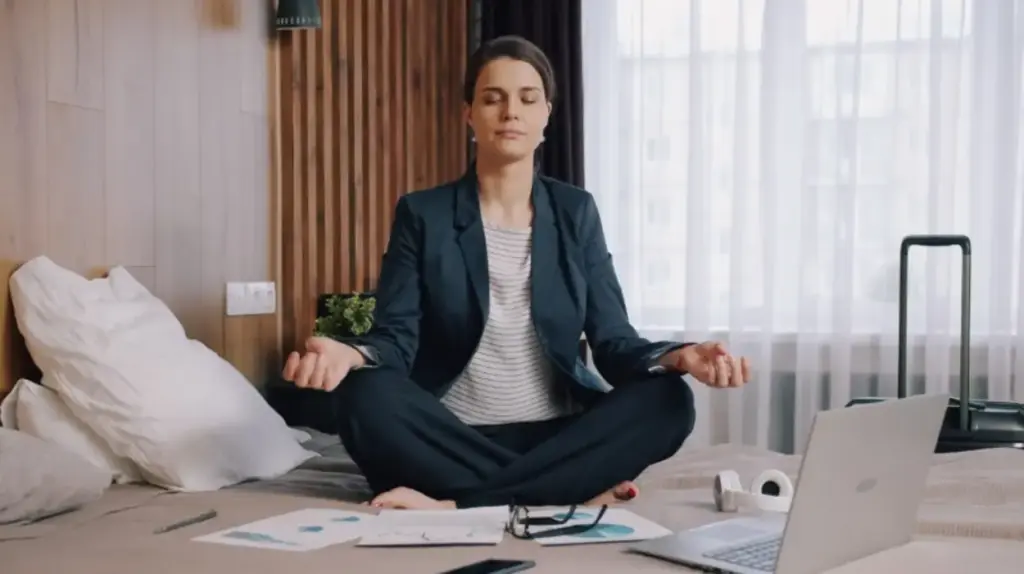
Work-life balance is about having enough time and energy for work, relationships, rest, and enjoying life. It looks different for everyone, and can change over time. Balance matters for all of us, whether we have busy jobs or not. When work takes up too much of our time, our minds feel the negative effects. We may become more stressed, sleep poorly, and find it harder to focus and stay patient.
This can lead to burnout, a state of exhaustion and detachment. Signs of imbalance include feeling tired constantly, thinking about work outside of work, feeling guilty about rest, and withdrawing from social activities. Rest and personal time are not luxuries but essential for our health. They help our brains recover, lift our mood, and provide a sense of joy and identity outside of work.
Rest also improves our performance at work. Simple ways to create balance include setting clear work hours, turning off work notifications after hours, taking real lunch breaks, spending time outdoors, saying no when necessary, and starting with one small step. Remember, balance is an ongoing practice, not a destination. Seeking help when needed is a sign of strength, not weakness.
Written by urgent.news from Euromaidan Press's reporting — not their text. Machine-written — may contain errors; check the original before relying on it.