The first Nvidia RTX Spark mini PCs launch today from Asus, Dell, and MSI
After the first RTX Spark laptops launched earlier this year, Nvidia's RTX Spark N1X chip is also now available in desktops from Asus, Dell, and MSI. More RTX Spark desktops are coming later from Acer, Gigabyte, and HP, while Microsoft's Surface RTX Spark Dev Box is slated to start shipping this month. The new mini […]
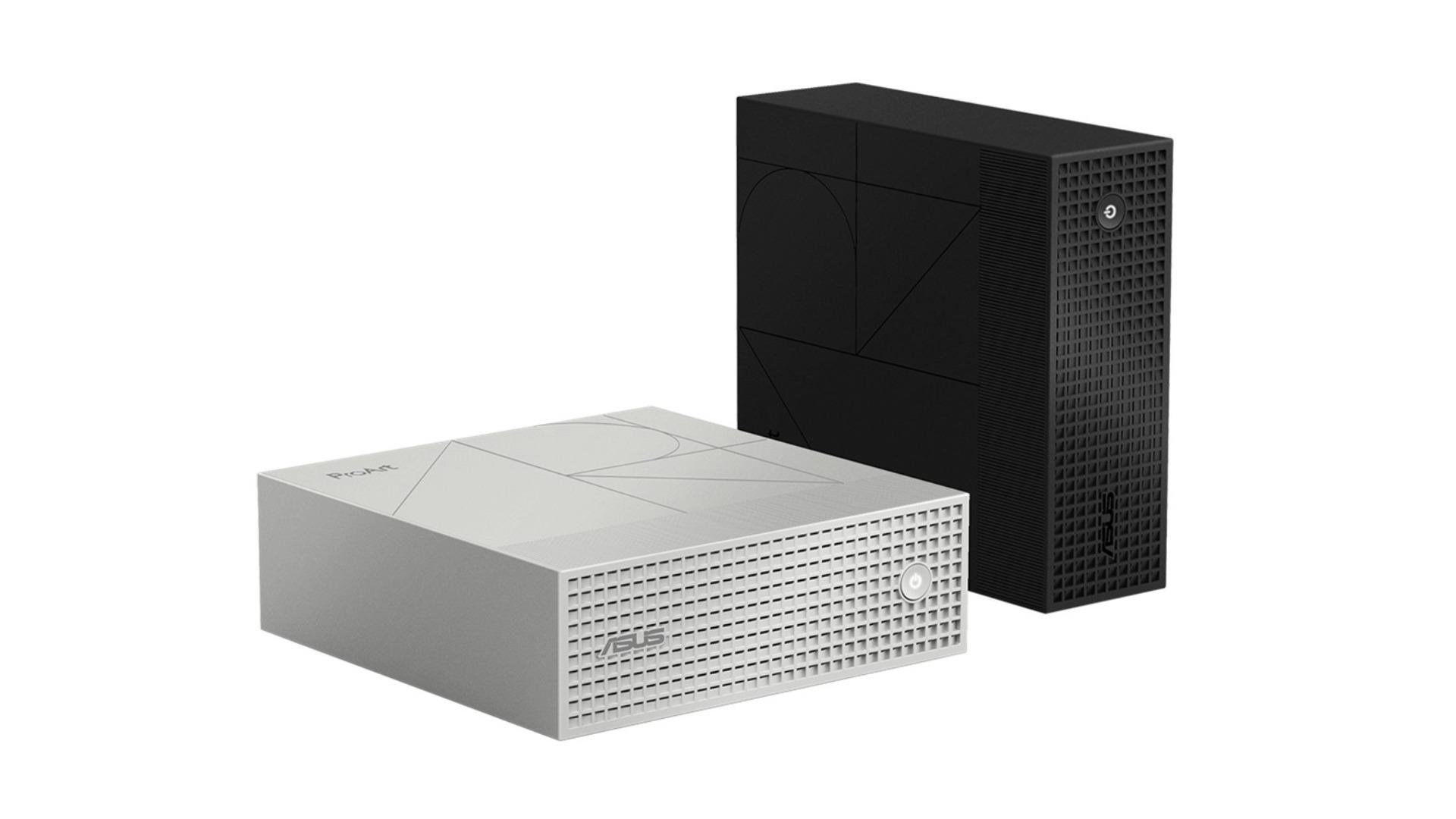
Asus, Dell, and MSI have launched the first Nvidia RTX Spark mini PCs today, each pairing Nvidia’s powerful 'superchip' with up to 128GB of memory for running local AI models. The RTX Spark N1X chip, previously seen in the first RTX Spark laptops earlier this year, is now available in desktop form from these three manufacturers.
Additional RTX Spark desktops from Acer, Gigabyte, and HP will follow, with the Microsoft Surface RTX Spark Dev Box set to begin shipping this month. Each mini PC boasts a 6144-core Nvidia Blackwell RTX GPU, a 20-core Nvidia Grace CPU, and the maximum memory capacity of 128GB. The high-end hardware comes with a price tag to match - Asus's ProArt GR1X, for instance, starts at $4,499 for a configuration with 64GB of memory and 1TB of storage.
These mini PCs cater to developers working with local AI models, serving as alternatives to the Mac Mini or Mac Studio. They can also run games, with Microsoft's new DLSS 4.5 Ray Reconstruction support in Blender 5.3 being one of the AI-powered features they support. Nvidia claims these devices can act as "dedicated Windows PCs for local models and always-on agents," delivering up to 1 petaflop of AI performance.
They also offer native CUDA support and access to Linux development tools via Windows Subsystem for Linux.
Written by urgent.news from The Verge's reporting — not their text. Machine-written — may contain errors; check the original before relying on it.