Stop Fixing Vulnerabilities in Production — Fix Them Where They're Born
Learn how SonarQube, JFrog Xray, and GitHub Copilot strengthen DevSecOps by detecting vulnerabilities early, accelerating secure coding, and reducing production
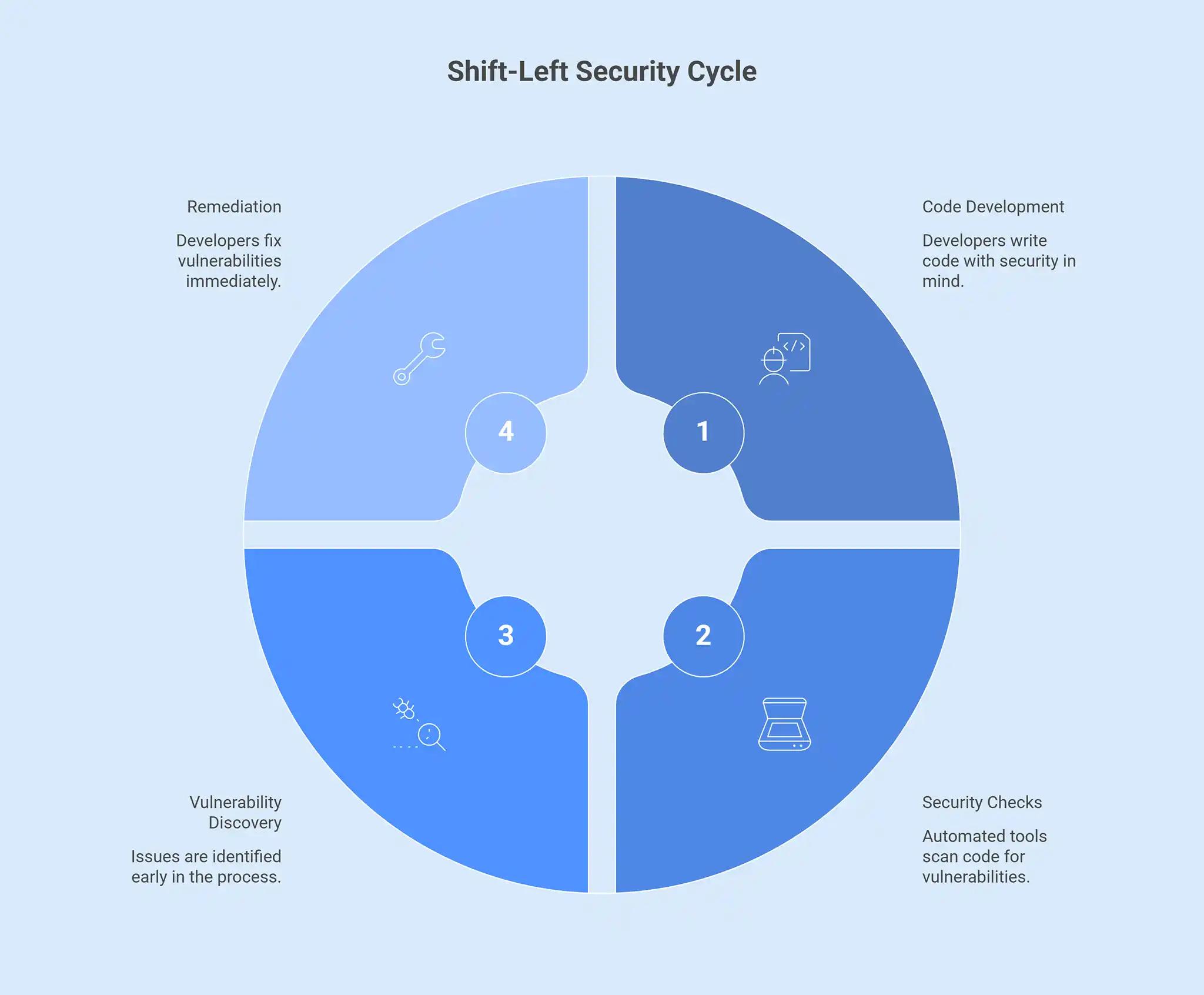
Most production vulnerabilities do not originate in production environments. Instead, they are introduced during the development process in the Integrated Development Environment. Traditionally, security tooling has focused on code after it has been written and merged into pull requests, often even after deployment. This reactive approach leads to costly rework cycles, slower development speeds, and increased security risks.
Modern DevSecOps methodologies shift security to become an integral part of the developer workflow, rather than a separate phase at the end. Over the past decade, the software supply chain threat landscape has expanded to include not just insecure application code, but also issues like open-source dependencies, license compliance, misconfigured cloud resources, insecure CI/CD pipelines, compromised build artifacts, and malicious dependency injection attacks.
As businesses move towards microservices, cloud-native architectures, and rapid release cycles, traditional security checkpoints are insufficient. Security must be continuous, automated, and designed with developers in mind. One of the most critical pieces of information that organizations must protect is their customers' data, whether it's personally identifiable information (PII) or cardholder data (CPNI).
A breach of this information can result in significant legal, financial, and reputational damage. This article outlines a practical, scalable approach to secure development that integrates security tools directly into the development environment. Real-time security analysis tools like SonarQube and JFrog Xray help identify vulnerabilities as soon as they are introduced, allowing for quicker and cheaper fixes.
Additionally, AI-powered coding assistants like GitHub Copilot can assist developers in applying secure coding practices efficiently. By enforcing security throughout the entire software development lifecycle, organizations can significantly reduce the risk of vulnerabilities making it to production.
Written by urgent.news from HackerNoon's reporting — not their text. Machine-written — may contain errors; check the original before relying on it.