Spitzentreffen im Kanzleramt: Koalitionsspitzen verhandeln bis tief in die Nacht
Der Kanzler wollte bei der Stromsteuer eigentlich kurzen Prozess machen. Dann zogen sich die Verhandlungen im Kanzleramt doch bis weit nach Mitternacht. Das Ergebnis bleibt zunächst unter Verschluss.
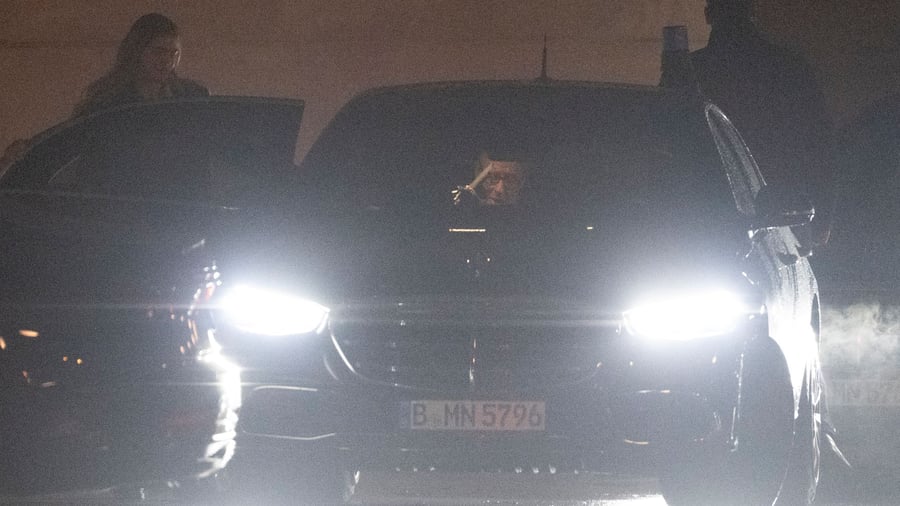
After more than eight hours, the union and SPD leaders concluded their negotiations on the coalition committee regarding the energy surcharge, pension reforms, and fuel price freeze. The results are expected to be announced in the morning to the Bundestag factions and the public, according to the Deutsche Presse-Agentur. The meeting ended around 2:00 AM, with Federal Chancellor Friedrich Merz (CDU), Vice Chancellor Lars Klingbeil (SPD), CSU Chief Markus Söder, and other coalition members leaving the Chancellor's office.
Their primary goal was to find a solution on how to finance the 5.4 billion euro compensation for the energy surcharge reduction for all. Merz had indicated that he expected the energy surcharge to be dealt with "relatively quickly." Finance Minister Klingbeil also acknowledged the need for this decision, stating, "We will agree tomorrow."
However, reaching an agreement proved difficult. Merz had pledged to uphold the energy surcharge reduction after the CDU's defeat in the September state elections, calling it a matter of credibility. The project had already been agreed upon in the coalition negotiations, and its failure could potentially lead to a crisis for the chancellor and the coalition.
In the previous week's budget negotiations, no agreement was reached, causing significant discontent within the Union faction. The Union had proposed extending the energy surcharge reduction to all businesses and private consumers, a point the SPD deemed constitutionally risky. They also rejected cutting funding for renewable energy promotion accounts and reducing subsidies in climate and transformation funds.
The SPD, on the other hand, suggested increasing the corporation tax or the withholding tax on capital gains and discussing progressive taxation. Merz also wanted to discuss the second major gap identified by the Union in the previous week's budget proposal: compensating for the hidden increase in taxes due to inflation and progressive tax rates.
The Rent Reform and the appointment of new regional leaders were other crucial topics on the agenda.
Written by urgent.news from Handelsblatt's reporting — not their text. Machine-written — may contain errors; check the original before relying on it.
This story
This is one outlet's version. Read the fullest account.