SA’S CANCER STORY (PART 6): SA’s Cancer Story: Navigating a tangled web of funding challenges in the private and
New cancer treatments are making headlines worldwide, but they are often not accessible and affordable in South Africa’s private and public sectors. In the final article of Daily Maverick and Spotlight’s special series on cancer in South Africa, we zoom in on the thorny problem of high prices for potentially life-saving treatments.
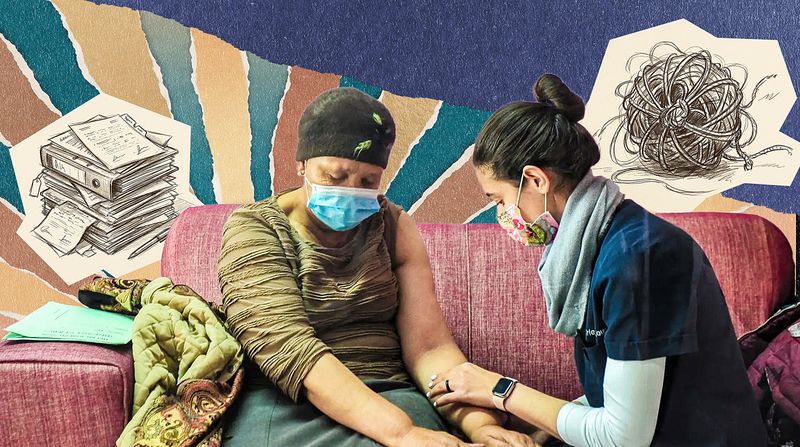
South Africa's cancer treatment landscape is plagued by funding challenges that hinder access to potentially life-saving therapies, both in the private and public sectors. Breakthrough treatments are bringing hope worldwide, yet affordability remains a significant barrier in South Africa. Public healthcare beneficiaries are largely excluded from newer therapies, while those under medical aid schemes may face funding refusals or exorbitant co-payments.
Cancer is a diverse disease, with over 300 types, each requiring a tailored treatment approach. Newer targeted therapies and immunotherapies exist but are often prohibitively expensive. The fragmented and ad-hoc approach to new cancer treatments in South Africa is expected to be addressed by the Health Technology Assessment system being developed as part of the National Health Insurance (NHI) system. However, outdated medical scheme laws and regulations pose an obstacle for patients covered by medical aid schemes.
The Medical Schemes Act dictates that cancer treatment must be covered under the prescribed minimum benefits (PMBs), a list of benefits required for all medical aid schemes. However, the legislation's fine print leaves out specific cancer diagnoses and treatments that qualify for mandatory coverage. The Medical Schemes Act and its PMB framework are considered outdated and out of step with modern cancer treatments, failing to account for contemporary therapies like biological therapies and immunotherapies.
For those relying on public healthcare, access is further complicated by the inclusion of cancer drugs on the National Essential Medicines List. The committee responsible for this list must balance the inclusion of effective and affordable medicines with the budget constraints and capacity of provincial health departments. The review process for the National Essential Medicines List, which includes cancer treatments, has not kept pace with the rapid developments in cancer treatment.
This results in significant disparities in cancer medicines availability across South Africa's nine provinces.
Written by urgent.news from Daily Maverick's reporting — not their text. Machine-written — may contain errors; check the original before relying on it.