Pasta siciliana, cresce l’attesa per la Dop
Il grano duro fino vale poco più di 26 centesimi al chilo a Palermo e a Catania. È il prezzo all’origine rilevato da Ismea il 12 novembre, mentre i cerealicoltori...
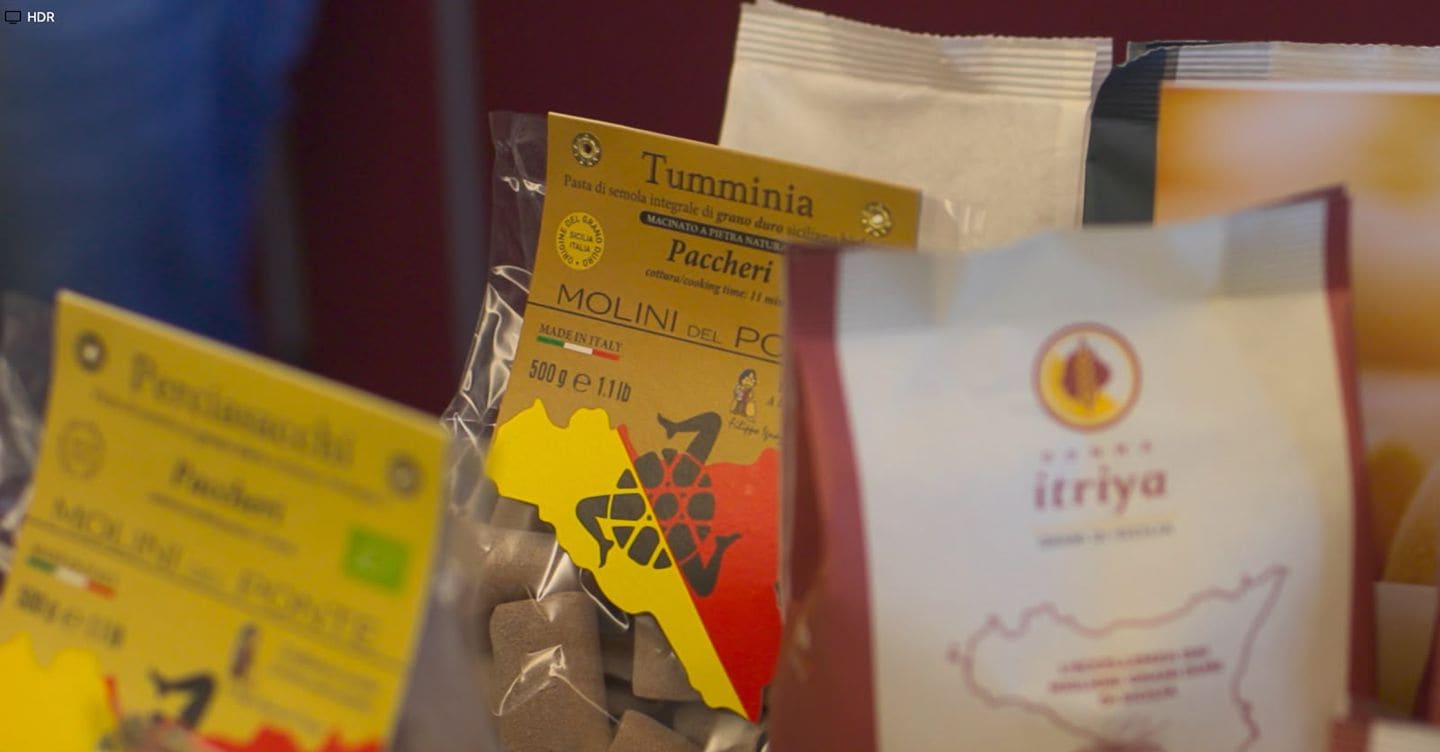
The Sicilian hard wheat crop is valued at just over 26 cents per kilogram in Palermo and Catania, according to Ismea's price assessment on November 12th. Sicilian farmers decide how many hectares to plant based on this initial price, which is the starting point for the "Pasta Siciliana" Dop project. The project involves using semolina from durum wheat grown on the island.
For the certified pasta quota, provenance would become a purchase requirement. The value for those who farm depends on how much grain mills and pasta companies commit to purchasing and the price they are willing to accept. According to a July estimate by Italmopa, Sicily harvested 680,000 tonnes of durum wheat in 2026, the second-largest Italian basin after Puglia.
The island's influence decreases in processing; in 2023, Ismea counted 37 durum wheat mills on the island, 36% of the Italian total, producing 9% of the semolina. Only 13% of Italian industrial pasta makers operate in Sicily, producing 7% of the national semolina volume. Campania, with the same share of industrial pasta makers, accounted for 19% of the volumes.
It remains to be seen how much Sicilian wheat is milled on the island and how much of that semolina ends up in local pasta factories; Dop's traceability would allow following this path for certified production shipments. "Many farmers do not want to sow because fuel and fertilizer costs have risen significantly, increasing the risk of not recovering the investment," says Giuseppe Russo, from the Gian Pietro Ballatore research consortium.
The wait comes after two difficult years, when, according to Russo, many companies only recovered part of their expenses. "Some speculate a significant reduction (still premature to say so), but I wouldn't be surprised by a reduction below 250,000 hectares compared to 270,000 in 2026. Only those with certain contracts or supply agreements will sow.
Talking to farmers, I often hear this approach." As early as June, the Pasta Siciliana Association reported quotations below 20 cents per kilogram in some cases. The president Filippo Trubia had proposed a debate between farmers and processors to reach a manifesto for defending Sicilian wheat, with two objectives: strengthening supply chain contracts and ensuring the traceability and quality of raw materials.
The association, founded in July 2025 by the Dop promoter committee, had then counted some thirty members, including a dozen artisanal pasta makers. The president estimated that the adherents represented about 10% of the regional pasta production. The dossier prepared with Gian Pietro Ballatore was integrated and forwarded to the ministry in 2025, following a request for clarifications.
In June 2026, the denomination returned to the center of the Sicilian Pasta Days in Palermo and Catania. The submission of the request to the European Commission still needs confirmation. Distribution is one of the nodes. An exploratory survey published in October 2024 by Terrà, conducted by the Gian Pietro Ballatore consortium, revealed that only two out of ten pasta packs in a sample from supermarkets and hypermarkets in Palermo originated from Sicilian establishments.
The traceability envisioned by the Dop project would make the grain's origin recognizable on the shelf. The investigation also covered the catering sector. On November 17th, at the Foro Italico in Palermo, the "La Sicilia al dente" contest, followed by a talk, paired nine producers from six provinces with the same number of chefs.
The format allowed chefs to taste the products and pasta makers to connect with potential customers. It's a first step toward a stable alliance, measured by the ability to guarantee quality, prices, and regular deliveries. "A pasta that consistently enters the menu gives the producer orders on which to base wheat purchases," says Fabrizio Carrera, editor of the Cronache di Gusto newspaper.
"If that demand is secured by a contract with the cerealicoltore, the choice of the caterer can also influence how much durum wheat is sown in Sicily."
Written by urgent.news from Il Sole 24 Ore's reporting — not their text. Machine-written — may contain errors; check the original before relying on it.