Pakar gesa perketat keselamatan siber sektor kritikal
Organisasi perlu perkukuh sistem keselamatan dan memastikan operasi dapat dipulihkan segera jika diserang.
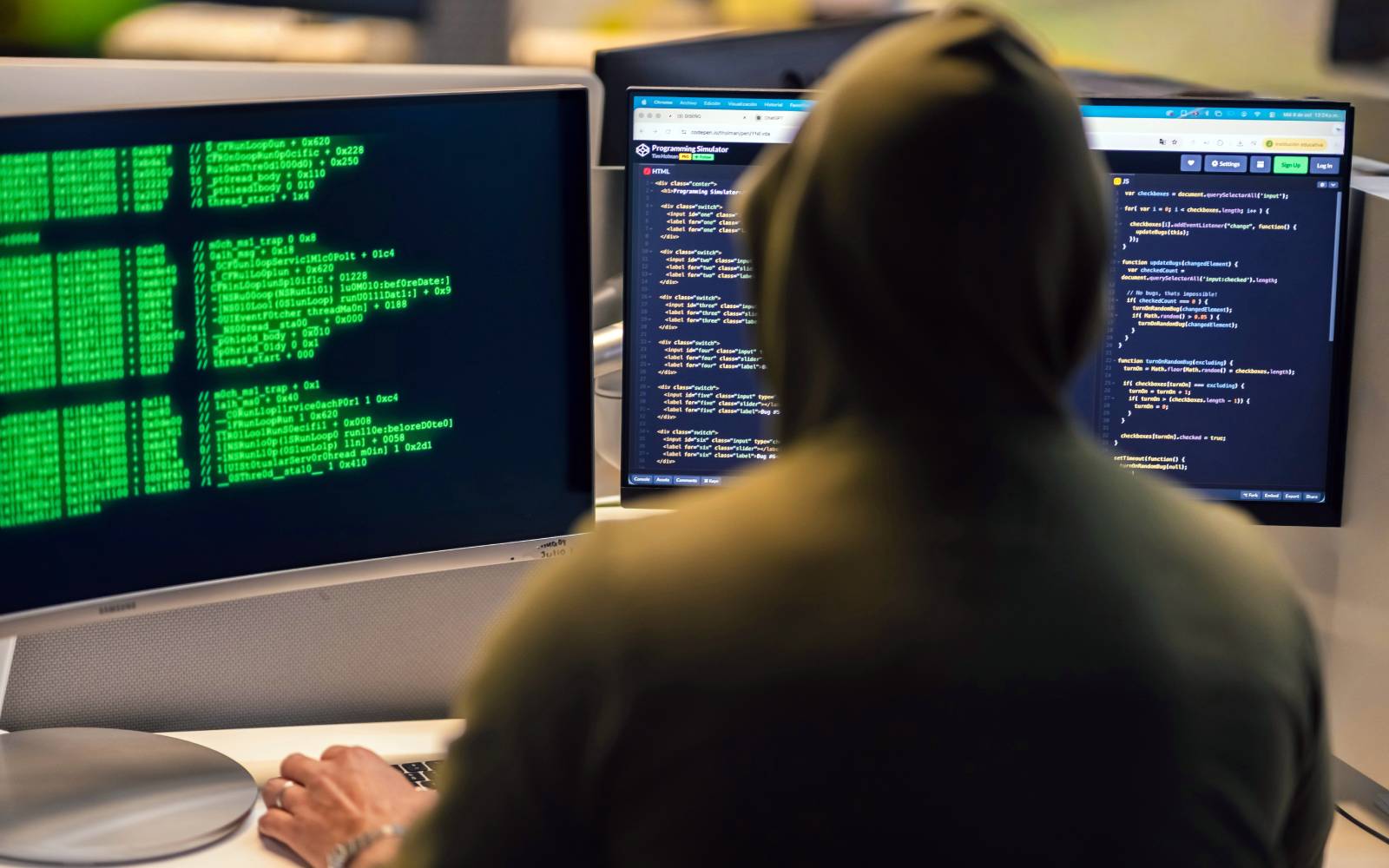
Malaysia has been facing thousands of cyber attack attempts each month, as revealed by Prime Minister Anwar Ibrahim on November 14th. Expert Ainuddin Wahid Abdul Wahab from Universiti Malaya emphasized the need to strengthen cybersecurity controls and ensure systems and operations can be swiftly restored in case of an attack, particularly focusing on critical sectors such as energy, water, and transportation.
No system is completely invulnerable to cyber attacks, but organizations should not only focus on prevention but also be prepared to recover operations in the event of a breach. Critical sector vulnerabilities need attention as any operational disruption can harm the economy and public life. Industrial control systems or operations technology (OT) systems and protocols in certain sectors were initially built separately before being connected to the internet, increasing cybersecurity risks.
Banking and telecommunications sectors, however, have a more robust security posture due to strict controls by Bank Negara Malaysia (BNM) and Malaysia Communications and Multimedia Commission (MCMC). Ainuddin also warned about the increasing cyber threat activities, which does not necessarily mean the country is being successfully hacked.
These activities resemble traffic radar, showing many movements but not all indicating successful attacks that bypass Malaysia's systems, he said to FMT. The global positioning of Malaysia's digital infrastructure and data centers also makes it a potential target for cybercriminals, according to him. Meanwhile, M Selvakumar from Universiti Sains Malaysia (USM) pointed out that increasing digitalization raises the risk of attacks since more transactions and operations are conducted online.
With Malaysia's high digitalization level and all transactions and operations now largely conducted online, attacks on such systems can cripple the nation's capabilities and subsequently the economy. Geopolitical tensions also heighten Malaysia's attraction for certain malicious groups. Selvakumar reminded organizations not to neglect basic security measures, such as changing default passwords on devices that are easily hackable.
Individuals should also regularly update systems, create data backups, monitor suspicious activities, and test response plans for potential attacks. For personal users, Ainuddin advises using unique passwords, enabling multi-factor authentication, disabling automatic downloads on WhatsApp and Telegram, and immediately reporting scams to the National Scam Response Center (NSRC) at 997. "The principle is simple: check first before trusting and clicking," he concluded.
Written by urgent.news from Free Malaysia Today's reporting — not their text. Machine-written — may contain errors; check the original before relying on it.