Outage Chaos: When Tech is too Big to Fail
Outages happen, but we deserve a resilient internet where no one outage at one company can put people at risk and disrupt the global economy. We can only get there by addressing an over-reliance on a few cloud monopolists through effective antitrust laws and interoperability requirements. Service outages, like we’ve seen recently at Microsoft , Apple *, banks , courts , airlines , and elsewhere,…
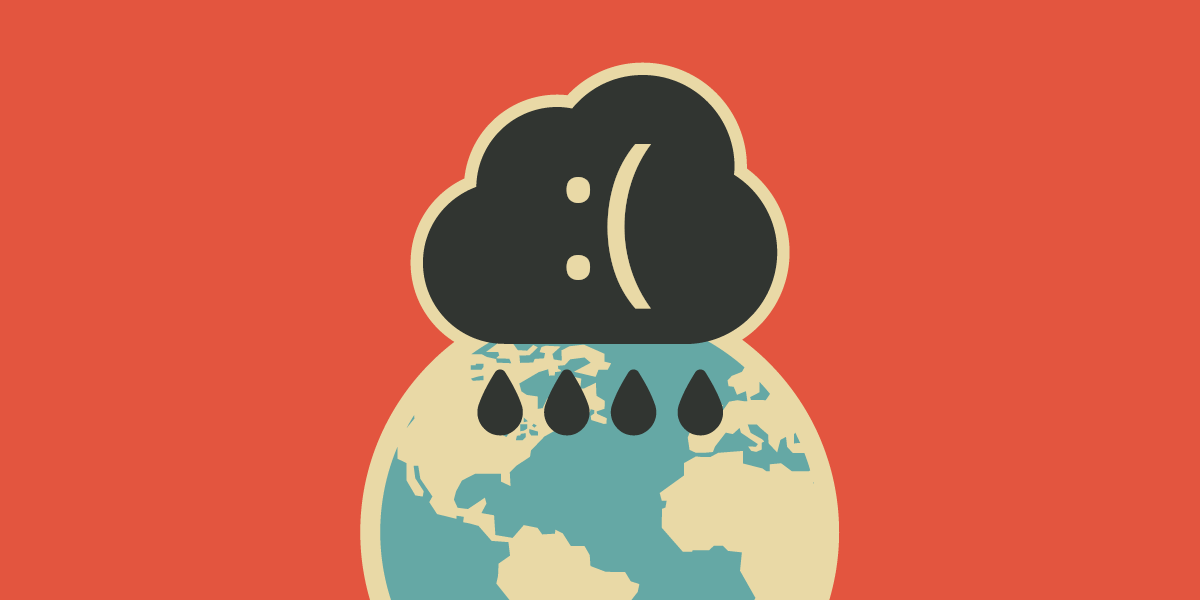
Outages are inevitable, but they shouldn't cripple the internet or put people at risk. It's time to address the issue of over-reliance on a few cloud monopolists and implement effective antitrust laws and interoperability requirements. Service disruptions can have far-reaching impacts, from daily tasks to national security. The biggest victims are often those on the margins globally.
Technical errors, negligence, or malicious attacks are part of the problem, but the real issue lies in relying too heavily on a single company or system when these outages occur. Policymakers must act to mitigate the impact of these disruptions before they happen. Antitrust laws are crucial in preventing tech providers from becoming too big to fail.
Monopolies might offer lower prices or free services initially, but they concentrate power in the hands of a few billionaires. This leads to a loss of control over our private data, access to knowledge, and free expression. A less diverse digital infrastructure means a less stable and resilient internet for everyone.
We need to foster a digital sovereignty movement that prioritizes web freedom by design, rather than simply importing existing control structures into new countries. This involves breaking chokepoints and promoting interoperability, which would make it easier for users to switch between better alternatives and create more competition.
The early architects of the internet understood the importance of reliable hosting, even when services were hosted on nearby machines. However, in the era of hyperscalers and massive data centers, infrastructure is owned by a handful of "cloud" providers, who have turned to walled gardens and restricted user choices.
Interoperability is key to creating a better internet. It allows for easy switching between services and the emergence of more alternatives, as seen with email. Early internet designers didn't take reliable hosting for granted, as services were often hosted in close proximity. Today, infrastructure is rented from a few major providers, leading to monopolistic practices and the devaluation of workers.
Building interoperability requires funding, liability protections, and cooperation from big players. Lawmakers should defend competitive compatibility, encourage interoperability by requiring key platform infrastructure support, and fund open-source projects to ensure sustainable, interoperable tools and standards. Municipalities and institutions must also prioritize interoperable services in procurement and fund departments of information technology to offset the risks associated with relying on a single provider.
Written by urgent.news from EFF Deeplinks's reporting — not their text. Machine-written — may contain errors; check the original before relying on it.