Old infrastructure, AI-driven fixes behind wave of US outages
Almost all outages stemmed from routine maintenance, as AI's powerful tools for detecting vulnerabilities strained systems not built for such rapid change.
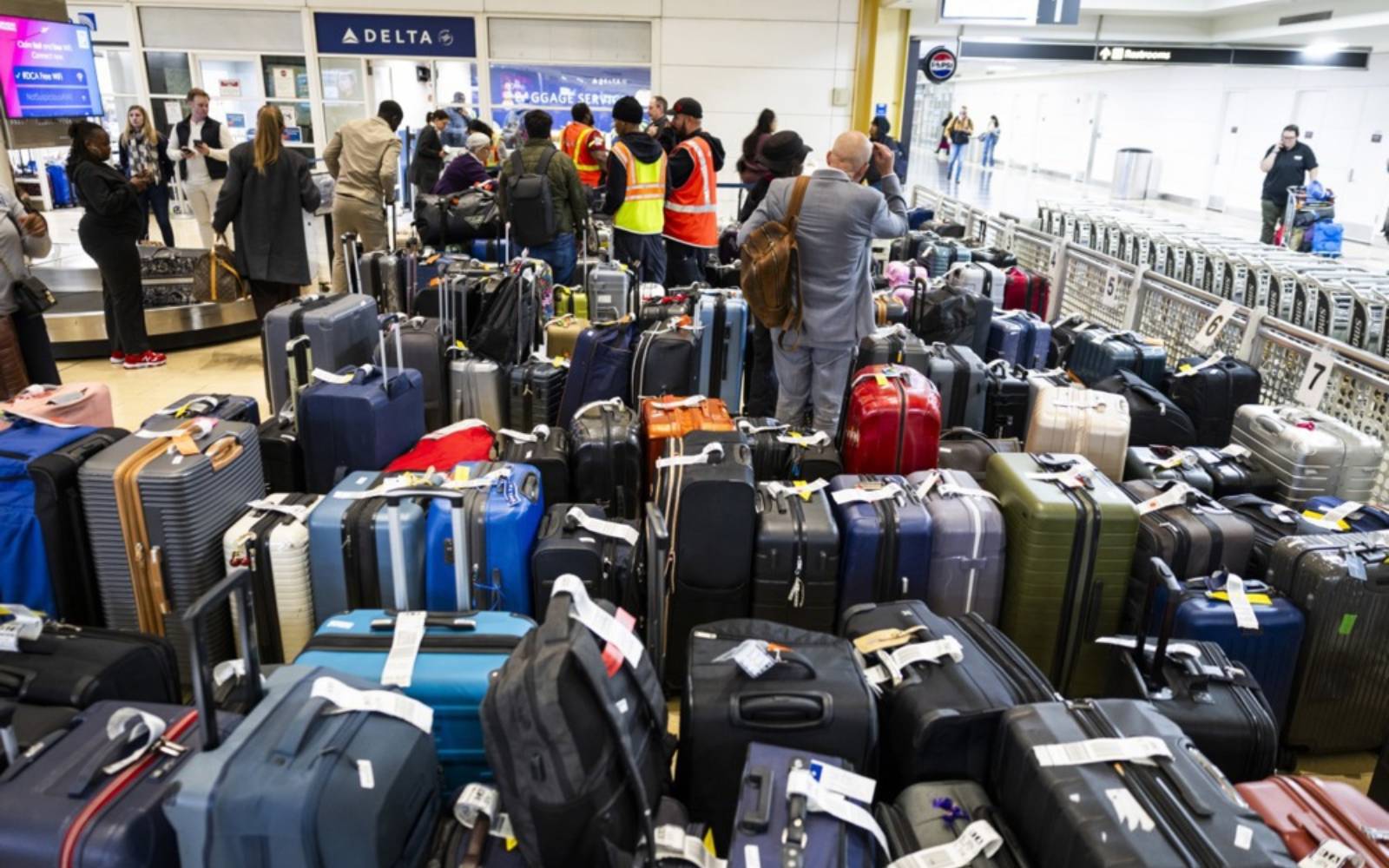
In the United States, a series of technology-related disruptions have led to widespread public concern and prompted top officials to address baseless speculations about cyberattacks and malicious actors. Flights were halted, ATMs ceased functioning, and individuals were unable to access their emails or retrieve photos from Apple iCloud.
While some officials, including Secretary of State Marco Rubio and US Intelligence Chief Jay Clayton, have dismissed the possibility of a cyberattack, experts attribute the main causes to outdated and convoluted systems, as well as rushed efforts by companies and the government to protect them from AI-driven threats.
Senator Mark Warner, a member of the Senate Intelligence Committee, noted that AI tools can now identify vulnerabilities in computer systems more swiftly than ever before. This heightened urgency to address vulnerabilities often leads to simultaneous attempts to patch them, placing immense strain on systems not designed to handle such rapid changes.
Steven Jackson, an information science professor at Cornell University, emphasized the complexity of rectifying issues within these systems, as they often involve both software and physical equipment. Correcting such problems without inadvertently disrupting other components is a daunting task, particularly when executed under pressure and heightened anxiety.
Another complication arises from the cloud computing paradigm, where large, outsourced networks of computers are used by companies to store data and run programs instead of relying on in-house machines. With only a few major companies possessing substantial computing power, a minor issue within one can affect millions of users simultaneously, as seen with Microsoft's Outlook. Researchers from Forrester have called for addressing the concentration of power among a few companies.
Additionally, companies are reducing the workforce responsible for maintaining their systems, relying more on AI to identify and fix defects. However, experts argue that AI-written code lacks an understanding of the broader system context, and fewer professionals truly comprehend the underlying code.
Steven Jackson highlighted that the United States tends to prioritize addressing infrastructure issues only after they break down, due to budgetary constraints and tax considerations. Climate change exacerbates the situation by subjecting equipment to greater stress from extreme weather conditions. Meanwhile, the demand for data centers, air traffic control systems, power grids, and cybersecurity measures continues to surge.
As a result, these systems are constantly operating at full capacity, making it challenging to carry out incremental upgrades necessary for sustainable infrastructure development.
Written by urgent.news from Free Malaysia Today's reporting — not their text. Machine-written — may contain errors; check the original before relying on it.
This story
This is one outlet's version. Read the fullest account.
- Old infrastructure, AI-driven fixes behind wave of US outages freemalaysiatoday.com
- Old infrastructure, AI-driven fixes behind wave of US outages nst.com.my