Nvidia betont, dass Jensen Huang nicht zum Unternehmen zurückkehren wird
Das Geschäft des Chip-Entwicklers läuft trotz den Turbulenzen um seinen gefallenen CEO weiterhin hervorragend. Die Investoren hören das sehr gerne – die Nvidia-Aktie legt im nachbörslichen Handel zu.
Nvidia's business continues to thrive despite the turbulence surrounding its former CEO, Jensen Huang. Investors welcomed the news of strong performance, as Nvidia's stock soared in after-hours trading. For the first time in 33 years, the chip developer presented its financial results without Huang present. The 63-year-old left the company last week, admitting to several affairs, including one with a Chinese manager who U.S. intelligence services labeled a Peking spy.
As Nvidia is the cornerstone of the American AI economy, investors view the earnings as a gauge of the expansion of AI infrastructure and overall demand for these services. Nvidia once again exceeded analysts' estimates, reporting a record $116 billion in revenue for the last quarter (August to October) and a net profit of $65 billion, nearly double the previous year's figures.
For the upcoming quarter (November to January), Nvidia forecast a revenue of $130 billion, which pleased investors. The strong results showed that Nvidia's dominant market position makes it difficult to dislodge. The stock of the chipmaker, which had been under pressure in recent weeks, rose up to 5 percent in after-hours trading.
Interim CEO Colette Kress, Nvidia's long-time CFO, calmed the markets with additional statements about the company's operations. Kress praised the management team and workforce, stating that despite "different viewpoints," everyone is determined to move the company forward. "Business as usual" is the outlook, she said. Demand is very high, she added, as "we have the best technology on the planet."
Another key topic was the numerous financial aid grants Nvidia has provided to AI startups and other service providers to foster their growth and the expansion of the ecosystem that ultimately drives demand for Nvidia chips. Some of these circular financial arrangements criticized Huang in his final years. Kress, familiar with these contracts from her long tenure as CFO, mentioned several times that Nvidia rigorously reviews and handles such financing cautiously.
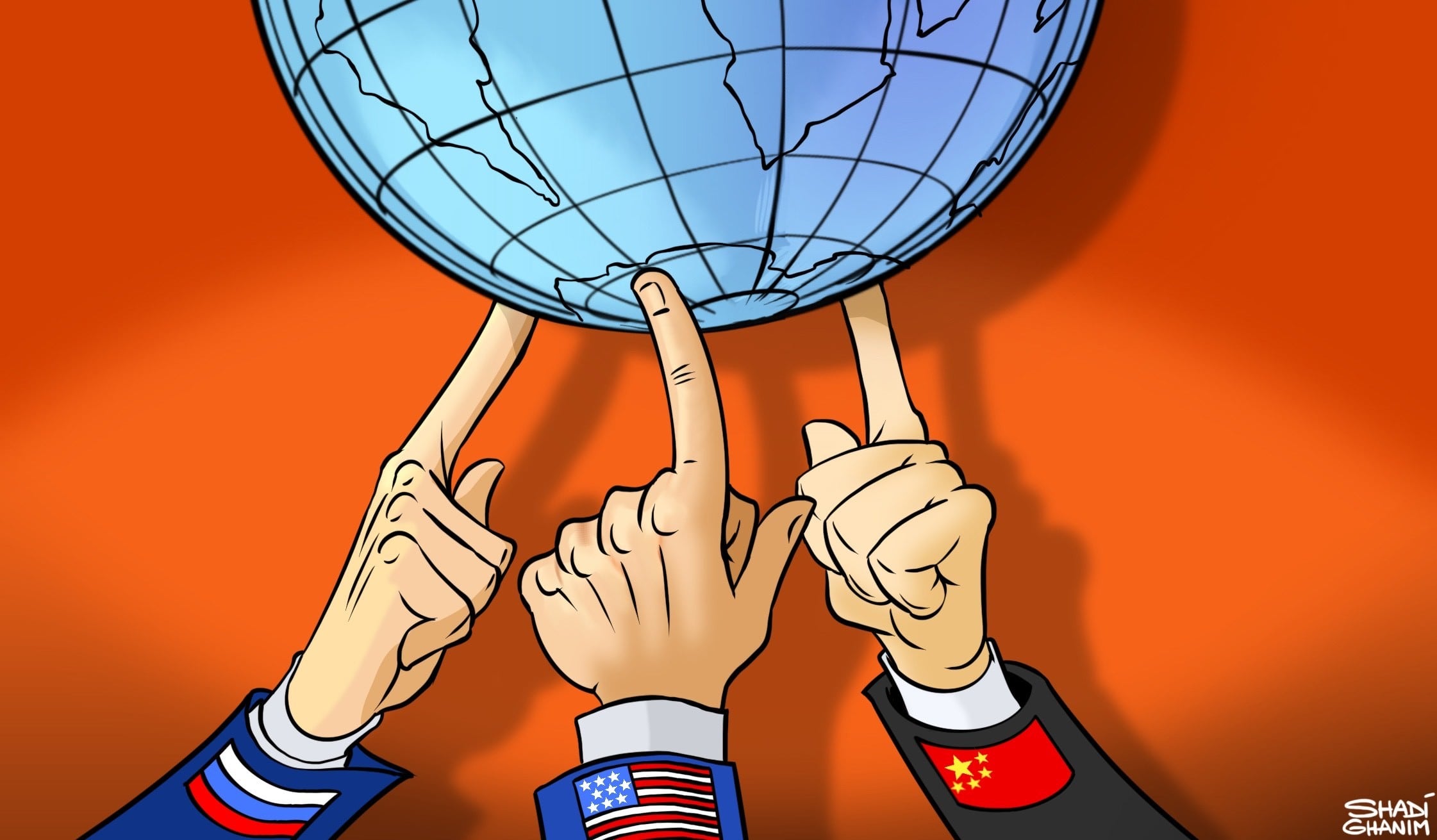
She aimed to focus on companies capable of independently constructing and financing their data centers. Regarding China, Singapore, and other Asian countries, Kress provided little concrete detail. The U.S. Trade Department recently tightened export controls to prevent the spread of Nvidia technology to China, fearing a "blue wave" could limit new data center approvals and slow demand for Nvidia chips in the medium term.
Kress emphasized the challenge of expanding the supply to meet the high demand. However, she also offered a reconciliatory note, stressing the importance of companies in the industry working to gain the trust of communities where data centers are planned. Huang's allies have been vocal in public and private settings, advocating for Nvidia to bring the 63-year-old back as CEO.
Huang himself confirmed for the first time since his departure as CEO that it would be "an honor to return as CEO" if the board decided it was in the best interest of shareholders, employees, the company, and America. However, the board has no plans to reconsider its decision. Board Chairman Harvey Jones, speaking to financial analysts, highlighted the security dynamics that are changing the business.
"Our new CEO will have to navigate these waters very carefully," Jones said. Huang's return to the top of Nvidia is not on the table. Jones pointed to the national security dynamics that would make it difficult for the new CEO to navigate.
Written by urgent.news from NZZ Wirtschaft's reporting — not their text. Machine-written — may contain errors; check the original before relying on it.