Neanderthal genes linked to lower risk of schizophrenia in modern humans
Researchers have zeroed in on a genetic variant in the human brain that came from Neanderthals, and it might protect us from schizophrenia.
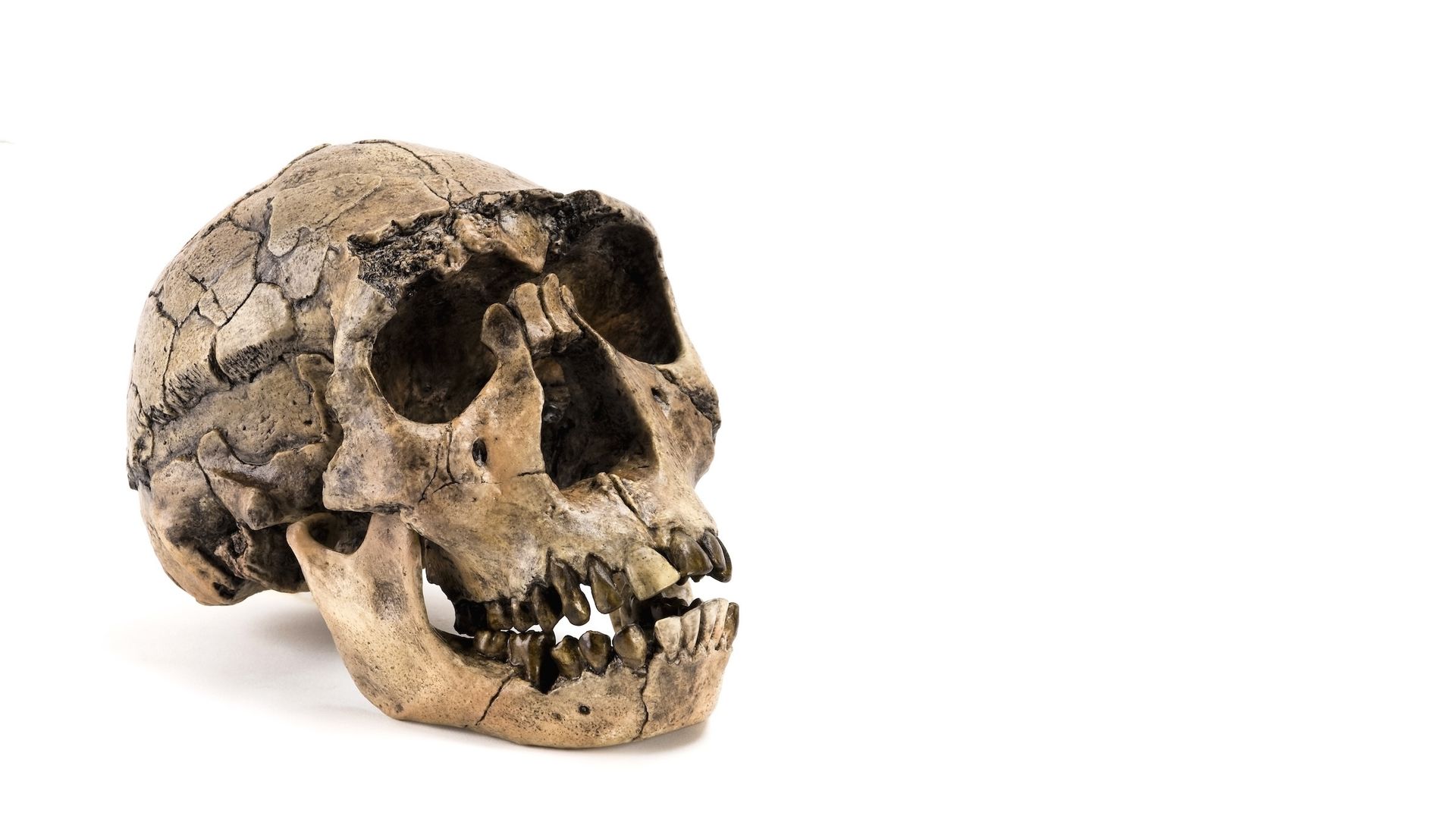
A new genetic variant, inherited from Neanderthals, may have a smaller occipital lobe in modern humans without impacting mental ability, and could potentially lower the risk of schizophrenia, according to a recent study published in the journal PNAS. The occipital lobe, responsible for processing visual signals from the eyes, is smaller in modern humans compared to Neanderthals.
Researchers from the Max Planck Institute for Evolutionary Anthropology in Germany found that individuals with the Neanderthal variant had an approximately 0.05-cubic-inch (0.85 cubic centimeters) reduction in occipital lobe size, which is linked to the DAAM1 gene. While this gene variant does not affect intelligence, it does reduce the risk of schizophrenia by nearly 10% in those who inherit two copies.
Despite the Neanderthal ancestors having larger skulls, the effect of this gene variant on brain anatomy is stronger than previously expected. The study highlights the impact of Neanderthal genes on modern human brain development, while also suggesting that further research could uncover the effects of other Neanderthal genetic variants on modern humans.
Written by urgent.news from Live Science's reporting — not their text. Machine-written — may contain errors; check the original before relying on it.