Malaysia's semiconductor sector to weather US-China tech tensions, says PublicInvest
KUALA LUMPUR: Malaysia's semiconductor sector is expected to remain resilient amid escalating United States (US)-China technology tensions, according to Public Investment Bank Bhd (PublicInvest).
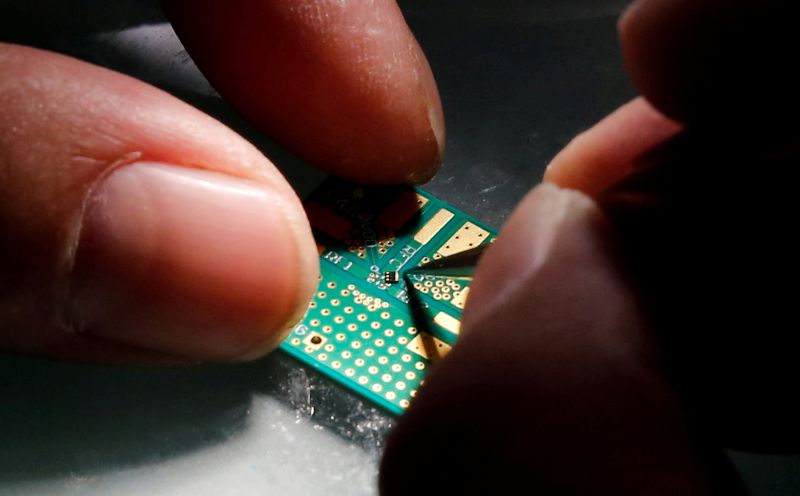
KUALA LUMPUR: The Malaysian semiconductor sector is expected to hold strong despite growing tensions between the US and China, according to PublicInvest. Analyst Chong Hoe Leong noted that companies with varied customer exposures and expertise in precision engineering, automated testing, and inspection are more equipped to handle the evolving regulatory landscape.
However, local graphics processing unit (GPU) server manufacturers might face stricter regulatory oversight due to potential setbacks in data centre projects caused by recent US export-control measures. Chong described these new restrictions as a long-term tightening of the US semiconductor export-control regime instead of a single regulatory change, potentially raising AI infrastructure operating costs in Southeast Asia, particularly for businesses with clients or beneficiaries connected to China.
The US administration's recent restrictions aim to stop Chinese companies from accessing advanced AI chips via overseas data centers by circumventing existing export controls. Chong said, "Companies prohibited from directly purchasing high-performance US-designed AI chips, including those with 16 nodes or fewer, could still access computing power through server rentals, but with older node technologies."
Meanwhile, Chinese semiconductor firms like SMIC, JCET Group, and Tongfu Microelectronics may gain more orders as China strives to bolster its domestic semiconductor industry. Chong highlighted that Beijing is also looking at alternative strategies to maintain its AI development, such as AI model distillation, which uses outputs from larger models to train smaller and more cost-effective domestic alternatives.
The latest restrictions present a policy challenge for China ahead of the US-China summit at the APEC meeting in Shenzhen on November 18 and 19. For Malaysian semiconductor firms, the main worry is whether licensing requirements will eventually apply to more tech equipment and manufacturing technologies. Despite the recent market decline, Chong maintains an "Overweight" rating for the sector, citing the capacity of companies with diverse customer bases and specialized engineering skills to navigate the shifting environment.
Written by urgent.news from New Straits Times's reporting — not their text. Machine-written — may contain errors; check the original before relying on it.