LOCAL ELECTIONS 2026: The smoke and mirrors of the coalition talks
The political theatre surrounding our local government coalition negotiations is nearing its climax. The true picture of what is really going on is still hidden, but the pressure is beginning to show on the politicians involved.
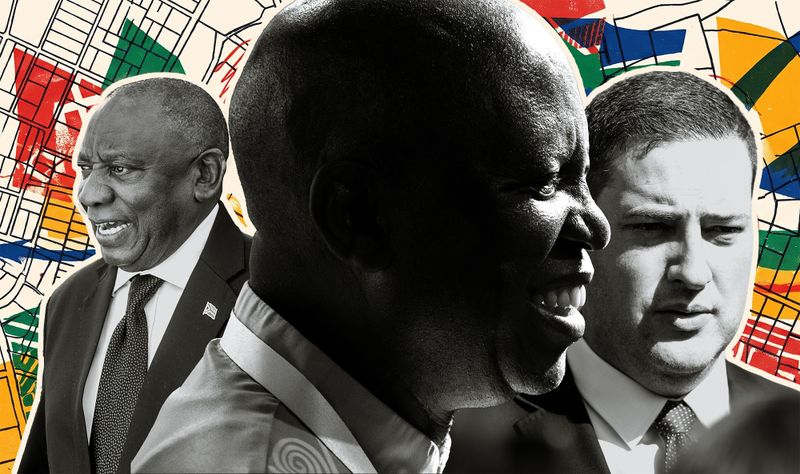
As the local elections in 2026 approach, the political intrigue surrounding the coalition negotiations in Gauteng remains shrouded in uncertainty. The Electoral Commission had not yet completed its vote tallying process when the first high-profile meeting between major players in the region began, including representatives from Action SA and the ANC. The symbolism behind the gathering was not lost on anyone, with a carefully selected photograph adding a touch of significance to the occasion.
There are two primary perspectives on the opening moments of these negotiations. On the surface, it appears that the ANC and Action SA are eager to collaborate, effectively sidelining the DA from power. This notion is bolstered by the ANC’s national executive committee's declaration that the DA is their "last option" for forming coalitions.
Beneath the surface lies a web of racial undertones, with feelings of the ANC leadership towards the DA, coupled with President Cyril Ramaphosa's expressed discomfort working under a DA-led government in Gauteng.
The ANC's presence in Gauteng and regional leadership in Joburg, Tshwane, and Ekurhuleni could potentially refuse to cooperate under a DA mayor. Some argue that the ANC's loathing for the DA stems from racial tensions, but this argument falls short, as it would be absurd to claim that all members of any racial group must vote in unison.
In a more cynical light, the ANC and DA may have initiated negotiations with various parties not to form alliances with those parties but to exert pressure on their ultimate choice. The ANC's absence of ANC leaders, such as Ramaphosa, may be a strategic move to maintain the exclusion of the DA.
Negotiating tactics could be at play, with the ANC and DA engaging with parties solely to pressure their desired coalition partners. Action SA could simply be a pawn in the grand scheme of the ANC and DA negotiations, with Ramaphosa confident of his return when real decisions are made. ActionSA's meetings with the DA may also allow them to demand more from the DA in their assumed negotiations.
The TimesLive report later refuted claims that DA leader Geordin Hill-Lewis would trade Cape Town's mayoralty for Joburg's mayoralty with Helen Zille, implying that Mashaba's plan may be working.
As the parties involved weigh their options, caution is advised. The ANC received fewer votes from ActionSA than from the DA, and they may be more threatened by ActionSA in the 2029 elections. ActionSA has demonstrated the ability to win votes from communities that traditionally supported the ANC, whereas the DA has not achieved similar success.
Allowing Mashaba a mayoral position in Joburg could position him favorably for the 2029 elections. The same caution applies to Action SA and its dealings with the DA, as Hill-Lewis could become mayor of Joburg for three years ahead of the 2029 elections, significantly elevating his national profile.
Written by urgent.news from Daily Maverick's reporting — not their text. Machine-written — may contain errors; check the original before relying on it.