Life satisfaction in Germany falls for the first time since 2021
Germany's 2026 Glücksatlas shows life satisfaction has dipped to 7 out of 10, hitting young adults, women and the unemployed hardest. Find out more here.
The latest SKL Happiness Atlas 2026, Germany's annual happiness survey, reveals a decline in life satisfaction for the first time since 2021. Women, young adults, and the unemployed were among the most affected groups. German residents now rate their lives at an average of seven out of 10, a slight decrease from the previous year's 7.09. This marks the lowest level of satisfaction in a decade.
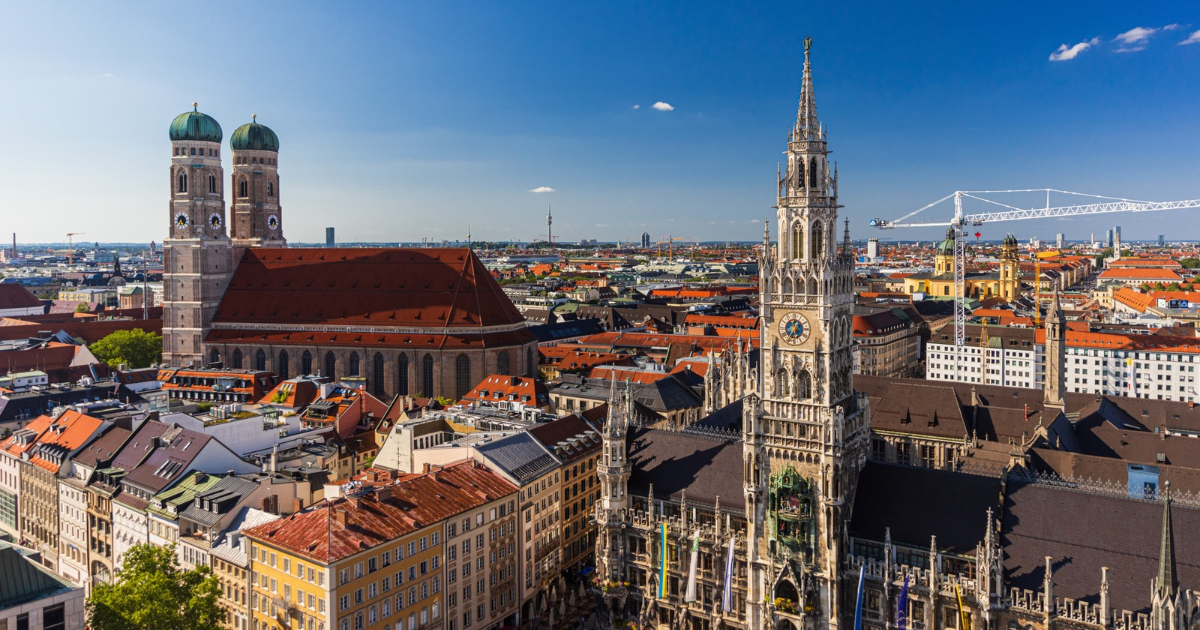
Life satisfaction is linked to rising prices, slowing economic recovery post-pandemic, and a weak economy. Bavaria has now claimed the top spot in life satisfaction for the first time since the survey began in 2011, surpassing Hamburg which had led the ranking since 2024.
Hamburg residents show the highest pessimism, with 22 percent expecting a drop in life satisfaction within a year, compared to 16.5 percent across Germany. This pessimism could be attributed to high housing costs and significant inequality in the city.
Despite being one of the largest cities, Berlin's life satisfaction remains below the national average (6.79). Among the top 40 cities in Germany, Erfurt leads with a score of 7.74, followed by Augsburg (7.42) and Düsseldorf (7.41). Erfurt's high score is attributed to low rents and a good environment.
Rostock ranks last in life satisfaction (5.80), closely followed by Wiesbaden (6.50), which ranks second-to-last. Factors contributing to these disparities include housing costs and social connections rather than city size or reputation.
The report indicates that Germans are more satisfied with their jobs than their lives overall. Work satisfaction has slightly decreased from the previous year but remains the third-highest in 11 years. This can be attributed to flexible working arrangements, as a quarter to a third of employees now work from home at least once a week, saving time on commuting.
For expats moving to Germany, the report suggests job satisfaction will likely be a positive aspect. However, finding affordable housing and building a social life may prove challenging. The report notes a rise in the number of people living alone and fewer people regularly contacting relatives.
The most significant drop in life satisfaction was observed among younger individuals, particularly students and school children. Adults aged 18 to 24 years old experienced a notable decrease in satisfaction with their finances. This is a reversal from the previous year's survey, when this age group reported the most significant increase in life satisfaction since the pandemic.
Written by urgent.news from IamExpat Germany (All Germany News)'s reporting — not their text. Machine-written — may contain errors; check the original before relying on it.