Laser weapons have come of age and are making their way to the battlefield
Improved technology has allowed for the creation of more effective laser weapons, and the soaring use of cheap but effective drones in modern conflicts provides a powerful case for why militaries will want such weapons
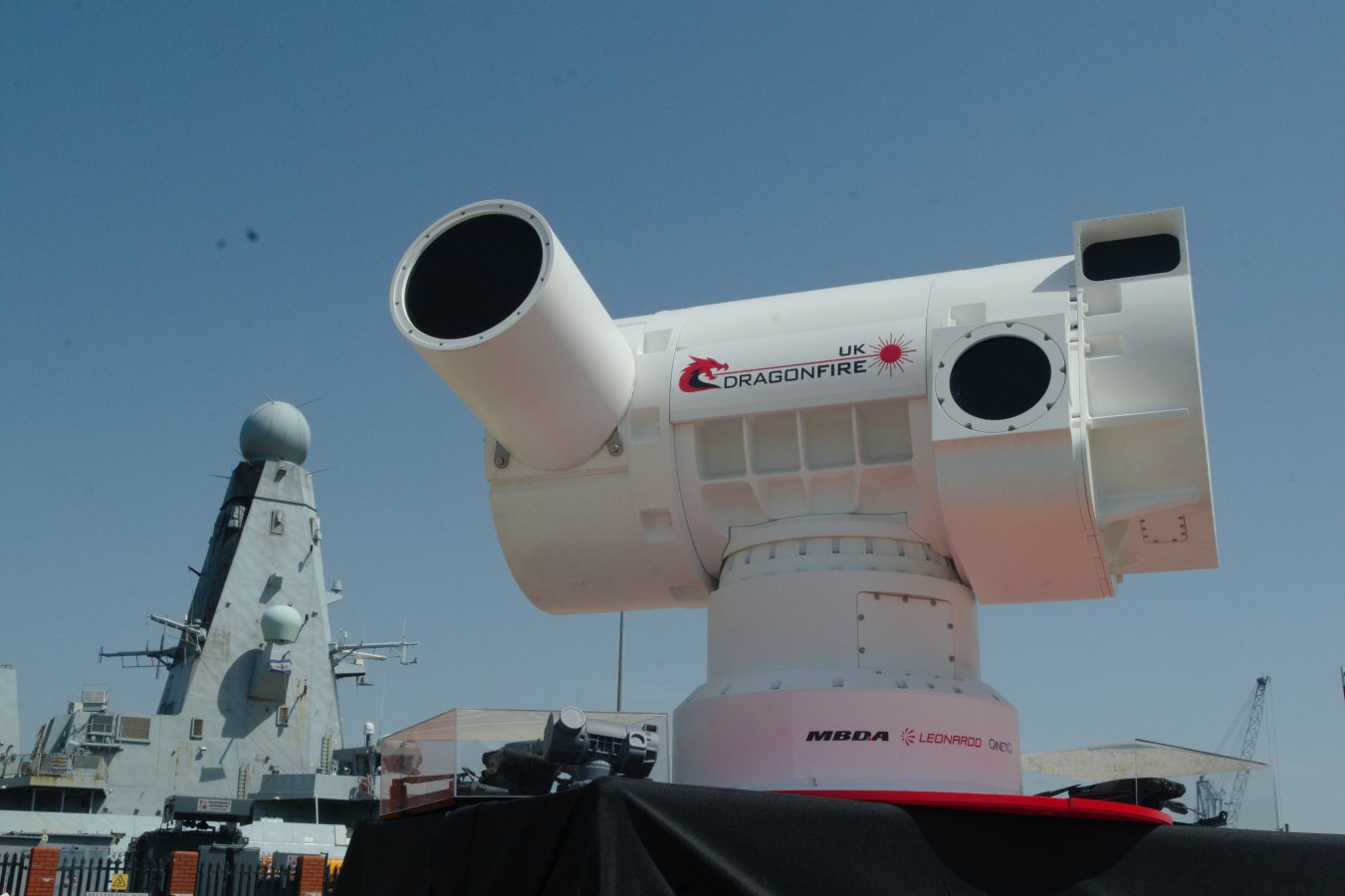
Laser weapons are becoming increasingly relevant on the battlefield, according to Graeme McNaught, a representative from defence company Leonardo. The company plans to install its DragonFire laser weapon on a UK Royal Navy ship by next year. McNaught emphasizes that DragonFire is not a prototype but a real weapon. The laser can target targets over a "useful number of kilometres" in seconds, and its low electricity consumption makes it an economical alternative to traditional anti-aircraft ammunition.
DragonFire reportedly creates a laser beam of around 50 kilowatts, costing just £10 in electricity to destroy a target, far cheaper than even a few rounds of anti-aircraft ammunition. One major advantage of laser weapons over traditional ones is their potential cost savings in sustained engagements against unsophisticated enemies.
The Royal Navy is the first customer for DragonFire due to its size and power requirements, but the technology is expected to become smaller and more potent in the coming years, potentially even fitting on aircraft. DragonFire is not the only laser weapon in development; several countries, including Israel and the US, have already used or deployed laser weapons in various scenarios.
The key challenge for laser weapons is focusing a powerful beam onto a moving target, which McNaught claims DragonFire achieves using AI and sophisticated algorithms. While current laser weapons cannot take out heavily armored or extremely fast-moving targets, the rise of drone warfare has made laser weapons more useful for military applications.
Written by urgent.news from New Scientist's reporting — not their text. Machine-written — may contain errors; check the original before relying on it.