Krisensitzung: Koalition beschließt Stromsteuer-Senkung zunächst für 2027
Der Kanzler hat mit dem Thema viel politisches Kapital verbunden. Jetzt kommt die Senkung der Stromsteuer erst einmal befristet. Für mehr fehlt das Geld.
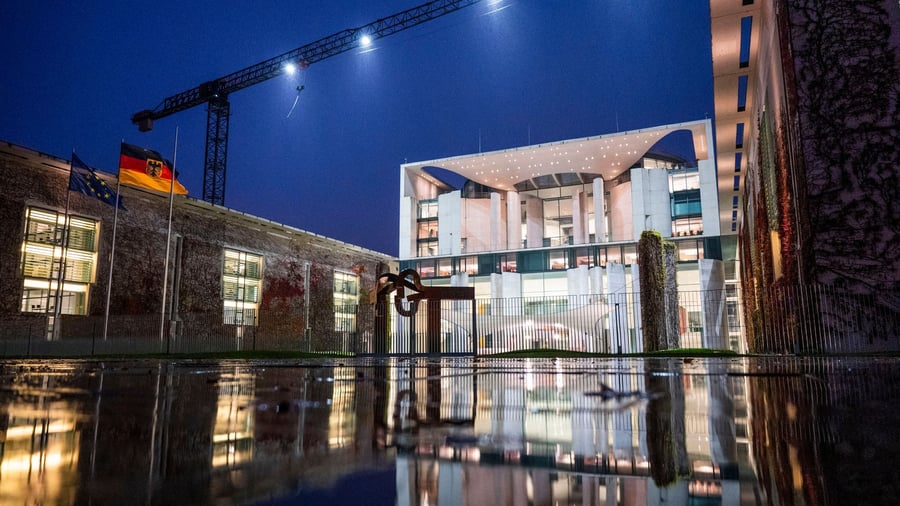
The German coalition, comprising the Union and SPD parties, has reached an agreement to reduce the electricity tax for all consumers, though the financing is only confirmed for 2027. In its result paper, the coalition stated that a permanent reduction is intended, contingent upon sustainable financing in the federal budget for 2028.
Union and SPD leaders engaged in talks for over eight hours into the night at the Chancellery, despite Chancellor Friedrich Merz (CDU) having promised a reduction for citizens and dedicating significant political capital to the cause. Even Finance Minister Lars Klingbeil (SPD) supported the tax cut, but demanded solid financing.
In the budget negotiations, attempts to raise the necessary 5.4 billion euros failed. For this year, the tax cut will be financed through spaces in the EEG account, with the amount available depending on the price of renewable energy-based electricity. The coalition partners have set a condition: if the surpluses in the EEG account are insufficient, the coalition will adopt a package of measures, including potentially scrapping subsidies or increasing other taxes like the capital gains tax.
The coalition had previously agreed on a reduction of the electricity tax to the European minimum level as an immediate measure, contingent on financing. Initially, the tax was lowered for industry, agriculture, and forestry. The coalition's agreement, however, must be incorporated into the budget slated for 2027, which the Bundestag must approve on November 27.
The European minimum level for the electricity tax is 0.1 cent per kilowatt-hour, while the current tax rate is 2.05 cents. This reduction would cost around 5.4 billion euros annually, translating to a monthly relief of 7.75 euros for a three-person household using 4,000 kilowatt-hours annually, or about three euros for a single household using 1,500 kilowatt-hours.
For businesses, medium-sized enterprises, shopping centers, and data centers with higher electricity consumption, the relief is significantly greater.
Written by urgent.news from Handelsblatt's reporting — not their text. Machine-written — may contain errors; check the original before relying on it.