Korea's college entrance exam captures global interest again, this time over AI cheating crackdown
SEATTLE — South Korea's notoriously competitive college entrance exam has long fascinated international audiences for its grueling questions and the extraordinary measures the country takes to ensure a smooth testing environment. This year, however, the exam is drawing global attention for an entirely different reason: artificial intelligence (AI). As hundreds of thousands of students sit for the…
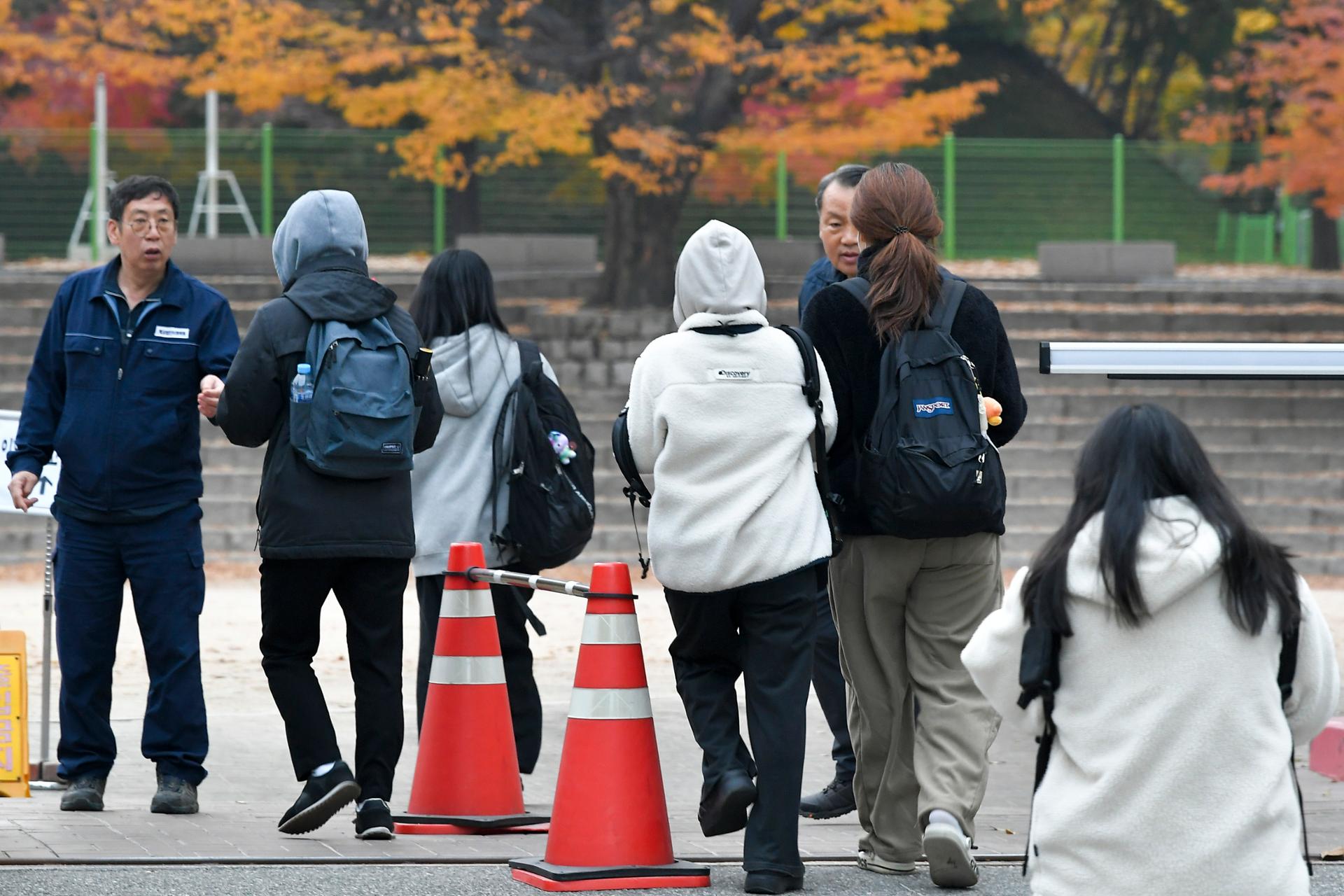
South Korea's notoriously competitive college entrance exam, known as the College Scholastic Ability Test or CSAT, has once again captured global interest. This year, however, the focus is not on the grueling questions but on the country's efforts to prevent cheating through the use of artificial intelligence (AI). As hundreds of thousands of students take the test on Thursday, international media outlets like CNN, BBC, and ABC News are closely following the government's measures to ensure a fair testing environment.
The heightened attention comes after the confession of the top scorer in Korea's certified tax accountant exam. The individual admitted to cheating using a miniature camera and generative AI. This revelation has prompted the Korean government to introduce unprecedented security measures for this year's exam. Inspections of students' glasses and clothing buttons for hidden cameras have become a common sight, as authorities strive to maintain the integrity of the test.
President Lee Jae-myung's administration has been under pressure to address the issue of AI-assisted cheating. The government's swift response, including the implementation of these stringent security measures, has garnered significant attention from foreign media. The unusual steps taken to prevent cheating using AI technology have become a talking point in international news coverage, highlighting Korea's commitment to ensuring a level playing field for its students.
Written by urgent.news from The Korea Times's reporting — not their text. Machine-written — may contain errors; check the original before relying on it.