Justizministerkonferenz: „Effektive Korruptionsbekämpfung“: Hamburgs Justizsenatorin macht Vorstoß zu Unternehmenssanktionen
Die Grünen-Politikerin will erreichen, dass Bundesjustizministerin Hubig bei der Umsetzung einer EU-Richtlinie zusätzliche Anpassungen vornimmt.
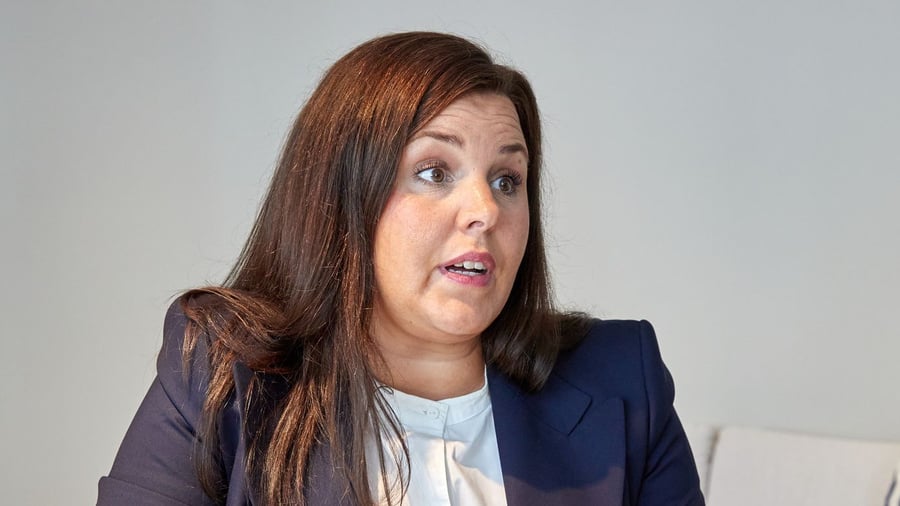
Hamburg's Justizsenatorin Anna Gallina aims to enhance the fight against corruption, stating that it not only causes economic damage but also serves as a breeding ground for organized crime and damages public trust in state and economy. She emphasized the need for Germany to show strong interest in effective and cross-border corruption fighting.
The Justices Ministers of the Länder are to now campaign for "effective corruption fighting" according to a decision proposal by Hamburg for the Justices Minister Conference (Jumiko) on Thursday. Although the decisions lack legally binding character, they set important impulses for the legal policy in Germany. The proposal seeks to close legal loopholes, expand prosecution possibilities, and align national criminal law with EU directives on corruption, which obligate member states to further harmonize their criminal law and improve cross-border cooperation in corruption prosecution.
The directive must be implemented in majority of member states within two years. Hamburg's Justizsenatorin suggests that Germany's Justices Minister Stefanie Hubig should be asked to consider further legislative measures during the implementation of the EU directive, specifically regarding the development of company sanction rules.
Corruption often occurs in the business environment or is facilitated by inadequate control within companies, according to Hamburg. The proposal also aims to investigate whether additional financial benefits resulting from unlawful behavior, particularly tax fraud, should be covered under money laundering. This could eliminate unjustified privileges for certain individuals involved in corruption.
Lastly, it seeks to determine whether telecommunication surveillance should be available to investigative authorities in serious cases of bribery and bribery in the healthcare sector, as these are particularly difficult to prove. Despite not being part of the coalition agreement between Union and SPD, the idea of more sanctions against companies was previously agreed upon in the last coalition government led by Angela Merkel. However, the implementation of company sanctions was not executed.
Written by urgent.news from Handelsblatt's reporting — not their text. Machine-written — may contain errors; check the original before relying on it.