« Inside Deutsche Bank » : comment le géant bancaire a découvert qu’il avait servi d’intermédiaire à un gigantesque réseau de blanchiment
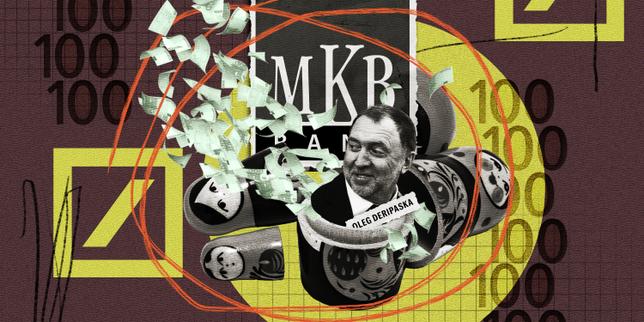
En 2020, un analyste de la banque allemande met au jour un mécanisme de blanchiment. Le système, qui a brassé plus de 1,7 milliard d’euros et est lié à l’oligarque russe Oleg Deripaska, a exfiltré les fonds de la banque hongroise MKB avec l’aide d’un possible prête-nom français. Ces montages opaques sont au cœur des documents confidentiels révélés par « Le Monde ».
More than 15 million internal files, including emails from senior executives and secret risk assessments, have been leaked from Deutsche Bank. The breach exposes sensitive information about billionaires, oligarchs, politicians, and royalty, as well as records involving Donald Trump, Jeffrey Epstein, and sanctioned businessmen. These files, leaked via two whistleblowers, represent the largest cache of internal documents ever obtained from a bank by journalists.
The investigation, dubbed "Inside Deutsche Bank," involved over 200 reporters from around the world. The records span Deutsche Bank's most sensitive functions, such as anti-financial crime, sanctions monitoring, internal auditing, and client approval processes. When Christian Sewing became CEO in 2018, he promised a more stable institution, yet the leak reveals a bank that built extensive compliance machinery but struggled to make it effective.
The whistleblowers, whose identities are protected, copied the files to preserve them before removing them from the bank. They shared the data with Indian journalist Josy Joseph, South African journalist Khadija Sharife, and the U.S. Department of Justice, the Financial Crimes Enforcement Network, and HM Revenue and Customs. The whistleblowers aimed to expose Deutsche Bank's ties to Russian oligarchs and money, and its handling of suspicious transactions.
The leak reveals that Deutsche Bank repeatedly missed warning signs of money laundering and sanctions violations, often bending its own rules for powerful clients. The bank allowed business interests to override its compliance regime, sometimes only discovering serious failings years after the fact. Notably, the files show Deutsche Bank accepted Jeffrey Epstein as a client in 2013, despite his conviction for soliciting prostitution from a minor.
They identified nearly $600 million in suspicious transactions involving him and his network, more than twice the amount previously disclosed.
Additionally, the leak details extensive information on Vladimir Putin-allied oligarchs like Oleg Deripaska and Roman Abramovich, as well as a Saudi businessman linked to the infamous "Golden Chain" list of alleged Al-Qaeda sponsors. Deutsche Bank also helped process payments connected to the late Rifaat al-Assad, Syria's former vice-president, who was notorious for his role in the 1982 Hama massacre.
Despite numerous adverse reports and its own SARs, Deutsche Bank continued to process millions in transactions involving Jho Low, a Malaysian financier central to the $4.5 billion 1MDB scandal. Deutsche Bank (Malaysia) Berhad is now being sued by 1MDB over its alleged role in moving part of these funds.
Deutsche Bank has stated its commitment to the public interest and the right to know about its misconduct and extensive dealings with oligarchs. However, the bank did not respond to questions about the individual linked to the Golden Chain list, Deripaska, Abramovich, or Jeffrey Epstein.
Written by urgent.news from Ghana Business News's reporting — not their text. Machine-written — may contain errors; check the original before relying on it.
This story
This is one outlet's version. Read the fullest account.
- Inside Deutsche Bank: Leak of 15 million files exposes secrets, scandals and double standards of global financial giant ghanabusinessnews.com
- Inside Sidi Ould Tah's first year at the African Development Bank african.business
- Deutsche Bank shares plunge after document leaks semafor.com
- Morning Briefing: Deutsche Bank is Germany's biggest reputational risk handelsblatt.com
- Something's gone wrong : How Deutsche Bank overlooked money from Colombia's sex streaming industry derstandard.at
- Leaked Deutsche Bank files reveal $582 million in suspicious Epstein payments qz.com