'Human' is Cambridge Dictionary's word of the year
'Human', meaning to have the 'qualities, faults and feelings that people have, as opposed to gods, animals, or machines' has been named Cambridge Dictionary's Word of the Year.
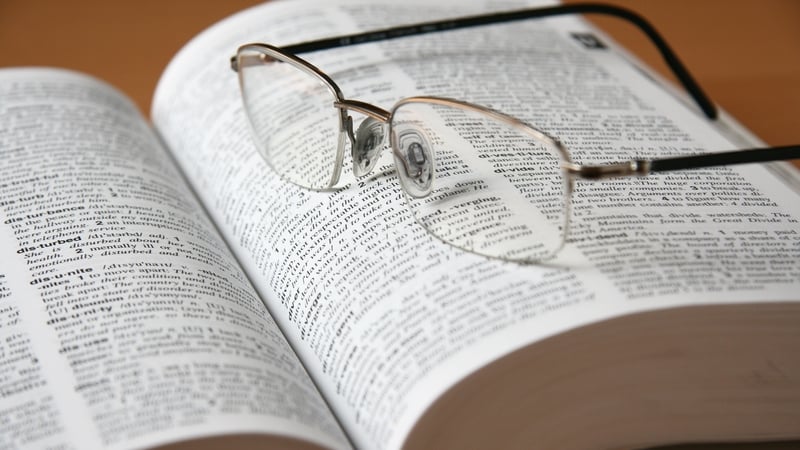
The Cambridge Dictionary has announced "Human" as its Word of the Year for 2026, reflecting the current societal focus on the essence of what it means to be human in an age of rapid technological advancement. This choice comes as artificial intelligence (AI) continues to evolve and raise concerns about its potential impact on humanity.
Cambridge University Press board member Francesca Woodward highlighted that people have been contemplating the concept of humanity more intensely over the past year, particularly due to fears about AI replacing jobs. The term emerged victorious in a competition against other words tied to AI and digital culture, indicating a widespread global interest in understanding how technology is reshaping our lives.
The lexicographers at Cambridge Dictionary noted an uptick in usage of "human" in compound words like "human-made" and "human author." This choice of word is particularly significant, according to philosopher of science Tom McClelland from the University of Cambridge, because it encapsulates the ongoing quest to distinguish between human cognition and artificial intelligence, as well as the characteristics that uniquely define human beings such as consciousness, creativity, and compassion.
Global leaders and notable figures, including Pope Leo XIV, Bill Gates, Mary Beard, and Cate Blanchett, have engaged in discussions about the meaning of being human. Alternative options for the title included "agent," referring to sophisticated AI systems capable of autonomous operation, "wholesome," described as beneficial for physical, moral, or emotional well-being, and "dusking," the practice of enjoying the transition from daylight to darkness as a form of relaxation.
The selection process for the Word of the Year considers factors such as online search trends, and other new entries for the Cambridge Dictionary in 2026 include "aura farming," a practice of cultivating an appealing persona, and "looksmaxing," efforts to maximize physical attractiveness. Among the anticipated words for the coming year, Cambridge Dictionary identifies "FOBO" (fear of becoming obsolete due to AI), "weather whiplash" (rapid weather extremes), and "parasocial" (a connection to public figures or fictional characters without personal interaction) as potential contenders.
The previous year's Word of the Year was "parasocial," which described the subjective bond with celebrities or fictional characters.
Written by urgent.news from RTE News's reporting — not their text. Machine-written — may contain errors; check the original before relying on it.
This story
This is one outlet's version. Read the fullest account.