How to build a welcoming company culture in times of turmoil
With everything going on in the games industry today, it can be easy to spend more time worrying about what's happening outside your studio than inside it. But building a positive company culture remains a priority for any business leader in the games space, and those external worries can have a direct impact on that culture. Read more
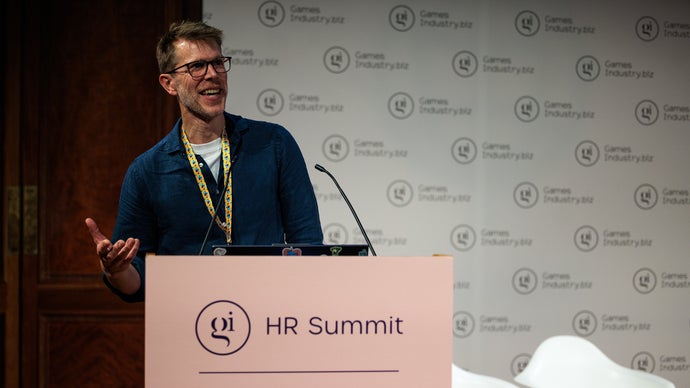
In times of turmoil within the games industry, it is crucial for leaders to focus on building a positive company culture. Glowmade studio head and co-founder Jonny Hopper emphasized during the GamesIndustry.biz HR Summit that change, growth, and contraction can create turbulence in a studio's culture. To address this, Hopper introduced the VUCA acronym, which represents volatility, uncertainty, complexity, and ambiguity.
While it is impossible to eliminate uncertainty, leaders can cultivate a culture of reassurance, praise, and motivation.
Hopper believes that company culture is not a neatly defined concept, but rather something that happens when no one is looking. It is about the actions and decisions made by team members, even when management is not present. Rather than treating culture as a Venn diagram, Hopper likens it to raising a teenager – providing guidance and a safety net while allowing individuals to learn from their own mistakes.
Company values are essential in aligning the team and ensuring everyone is working towards the same goals. While values may not be attractive selling points for potential applicants, they are crucial for maintaining a cohesive and focused team. Playstack's CEO, Harvey Elliott, emphasized the importance of setting a direction and purpose for the company, as it provides a foundation for decision-making and communication.
Regular communication is vital for maintaining a strong company culture. Playstack's people operations manager, Carmen Martino, shared that the company shares updates on business operations and team projects every six weeks through various channels. This ensures that employees are informed and can adapt to changes more easily. Hopper also stressed the importance of open feedback and providing context for decisions, as communication can be challenging and prone to misunderstandings.
Written by urgent.news from GamesIndustry's reporting — not their text. Machine-written — may contain errors; check the original before relying on it.