How India became a rice powerhouse - and why it's becoming a problem
India's rice production has significantly increased, bolstered by government subsidies and new crop varieties. This rise in output has led to a surplus that threatens fiscal stability due to high subsidy costs. Political tensions arise between the central and state governments regarding rice pricing and production. While domestic demand is not expected to grow significantly, exports continue to…
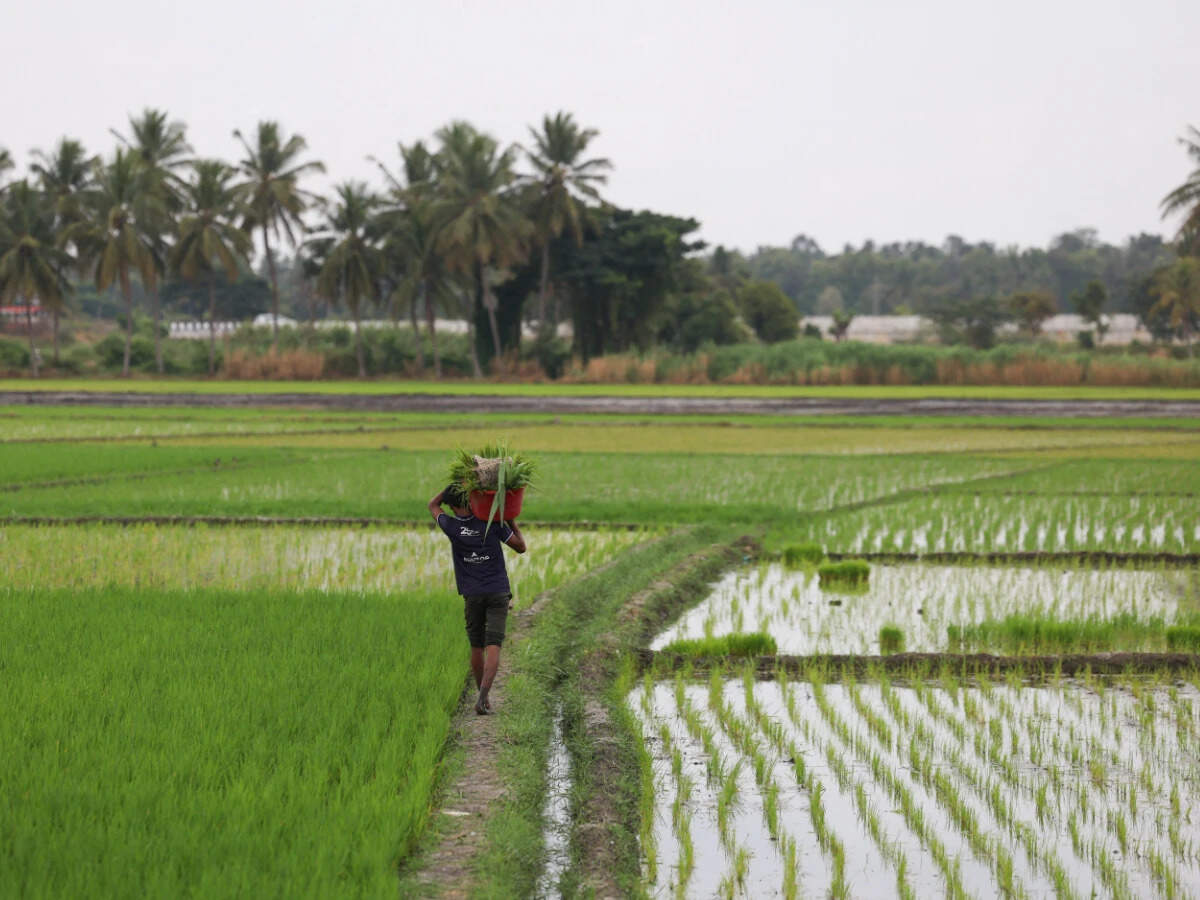
India has emerged as a major rice-producing nation, driven by agricultural advancements and subsidies implemented decades ago. This has resulted in a growing surplus and a significant export market, despite domestic consumption. The federal government's rice subsidy bill has more than doubled in a decade, amounting to 2.28 trillion rupees ($24.1 billion) in 2025/26.
Agricultural economist Ashok Gulati argues that taxpayer money is being used to subsidize foreign consumers, as Indian rice sells at a discount to Thai rice. Despite expectations of a lower Indian harvest in 2026/27 due to El Nino, USDA forecasts Indian exports to rise over the next two years. New rice varieties have expanded cultivation in flood-prone regions, boosting national output by 50% to a record 154 million tons in 2025/26.
While the Indian government aims to address the surplus through ethanol production, challenges persist with storage capacity and the strain on domestic crops due to subsidies.
Written by urgent.news from The Economic Times - Economy's reporting — not their text. Machine-written — may contain errors; check the original before relying on it.