Helping AI text detectors keep up with changing conditions
A more flexible training method can make AI text detectors more robust when new models emerge or AI-generated text is disguised to appear human.
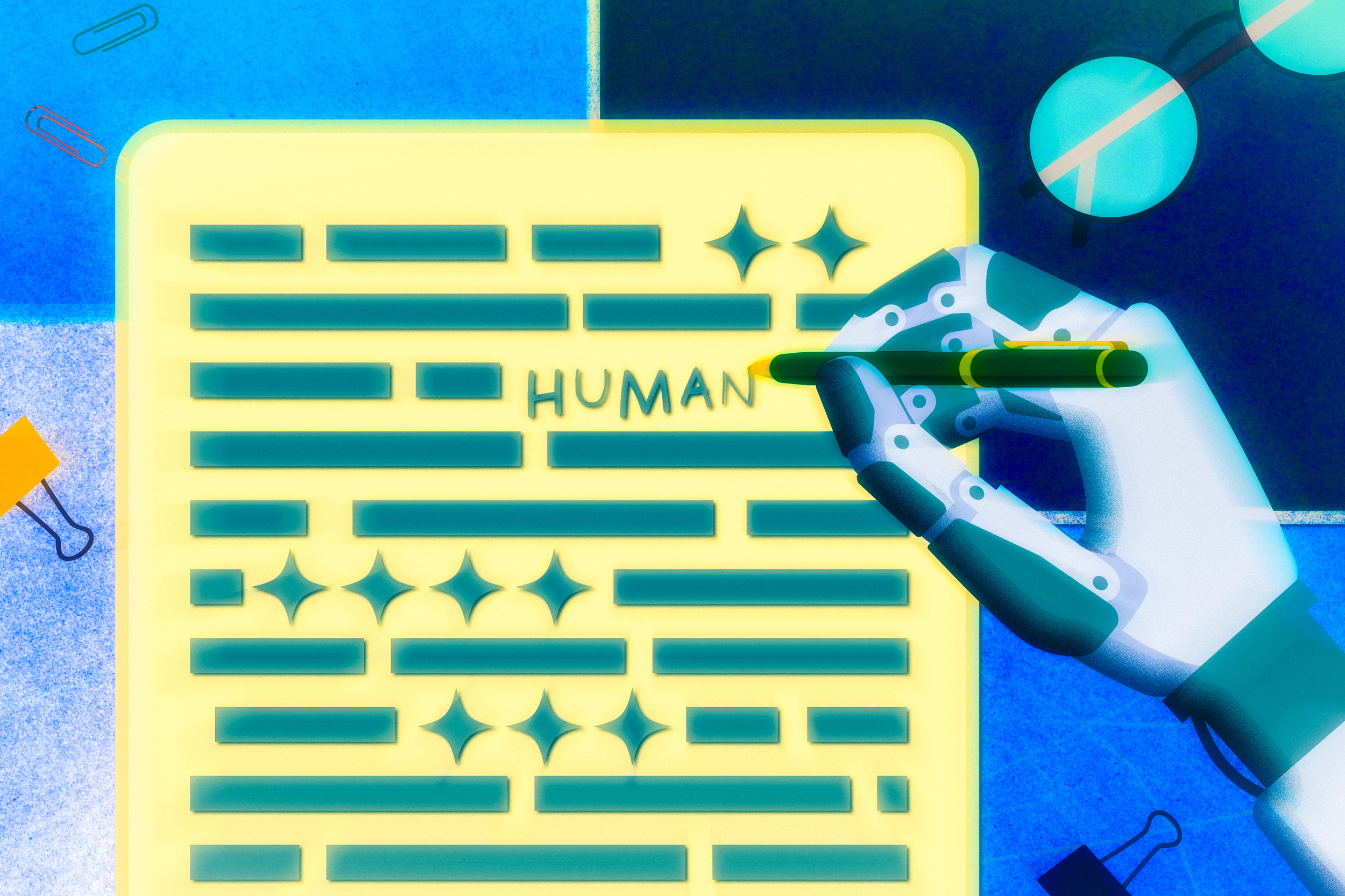
A new study from MIT and Cornell University reveals that AI text detection tools can be deceived and may not keep up with constantly changing writing styles. These commercial tools, which are themselves AI models, are not foolproof and can fail to detect AI-generated text when it appears to be human-written. As writing habits evolve and new language models emerge, detection tools can become less accurate.
Researchers demonstrate a technique called test-time adaptation (TTA) that allows detection models to learn from new, unlabeled data in real-time, making them more resilient to deception. In experiments, a commercial detector correctly identified only 27 percent of AI-generated text that had been disguised, while the new TTA approach achieved 93 percent accuracy.
This could benefit educators, editors, publishers, and hiring managers who need to verify human authorship. The study also highlights potential uses for cybersecurity experts to prevent phishing scams and identify search engine optimization fraud. However, the researchers caution that TTA may become less effective as future LLMs generate more natural-sounding language, making it harder to distinguish between human and AI-written text.
Written by urgent.news from MIT News Research's reporting — not their text. Machine-written — may contain errors; check the original before relying on it.
This story
This is one outlet's version. Read the fullest account.