Urgent.News

What's breaking now, across thousands of outlets.

Tech

Governments warn Java flaw leaves computer systems open to hackers

Recent technology outages and software vulnerability concerns have put focus on corporate cybersecurity and the resilience of critical IT infrastructure.

Governments warn Java flaw leaves computer systems open to hackers

Governments from the US, South Korea, Germany, Britain, and China warned of a critical Java programming language flaw that could leave computer systems vulnerable to hackers. Java powers critical systems in government, business, finance, and military across the world. California tech firm discovered the vulnerability in Java's memory functions that could enable hackers to remotely execute code or crash systems.

South Korea, being a heavy user of Java, held an emergency meeting to discuss preemptive measures. The US Cybersecurity and Infrastructure Security Agency emphasized the need for immediate patching, but no link to recent outages was made. Chinese tech firm Tencent warned its customers about the potential for unauthenticated attackers to steal sensitive information or gain control of affected servers.

No successful attacks exploiting the vulnerability were reported. Despite the warnings, there are currently no known successful attacks exploiting the vulnerability.

Written by urgent.news from Free Malaysia Today's reporting — not their text. Machine-written — may contain errors; check the original before relying on it.

This story

This is one outlet's version. Read the fullest account.

Every outlet that reported this, and when →

Read the original at freemalaysiatoday.com →

More in Tech

A one-sample t statistic in Python: what the number actually compares

A two-point difference can be a big deal or ordinary sampling noise. The t statistic compares that difference with the estimated uncertainty in the sample mean.

  • One-sample t statistic compares sample mean to hypothesized value
  • Larger t value with smaller p-value indicates stronger evidence
  • Assumes independent normal observations for valid results

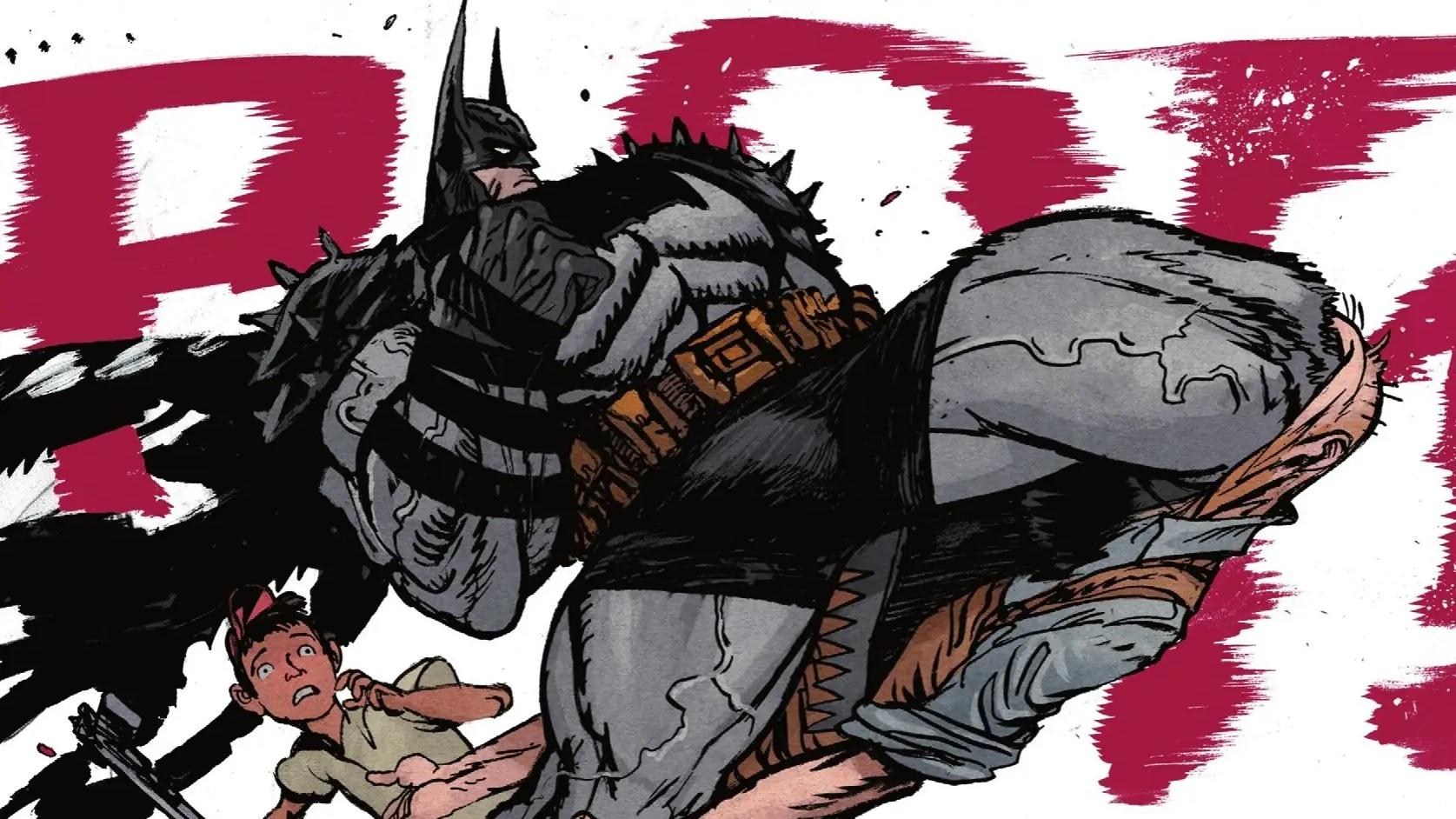
Absolute Batman can save DC Studios

With James Gunn and Peter Safran out as the co-heads of DC Studios following Skydance's acquisition of Warner Bros. Discovery, it's unclear what will become of the cinematic universe that was building…

Case study (hypothetical): the provider disabled our webhook endpoint after a weekend of 500s, and nobody noticed for 9 days

Reliable HTTP cron and delayed-job scheduling with automatic retries and full run logs — delay.run This is a hypothetical case study, assembled from a pattern that turns up again and again with…

  • Provider disabled webhook endpoint after 9 days of 500 errors
  • Online booking platform experienced unnoticed 9-day downtime
  • Technical contact outdated email address led to disabled endpoint

How to fix 'too many missed start times' in Kubernetes CronJobs (and why your job silently stopped running)

Reliable HTTP cron and delayed-job scheduling with automatic retries and full run logs — delay.run You check on a Kubernetes CronJob that should run every minute and find that it hasn't created a Job…

  • CronJobs stop running after 100 missed start times in default Kubernetes
  • Missed start times can occur due to suspension, controller issues, clock skew, or frequent schedules
  • Set startingDeadlineSeconds to allow runs within a specified late time window

Private Image Originals and Thumbnails: Retention, Resizing, and Signed Downloads

Short answer: use private object storage for originals and generated thumbnails, run resizing in your Node.js worker or an image service, and return short-lived signed download links.

  • Separate private originals and generated thumbnails in distinct prefixes (origins/, thumbs/)
  • Use unique keys for variants (originals/{tenantId}/{imageId}/source.jpg) and record them in DB
  • Generate signed GET URLs for downloads, log request ID, image ID, variant, attempt, and time

More from Wednesday 18 November →