From a pharmacy job at 13 to leading a cell and gene therapy firm
Exmoor Pharma’s Lucy Foley explores the cell and gene therapy landscape and scaling innovation. Read more: From a pharmacy job at 13 to leading a cell and gene therapy firm
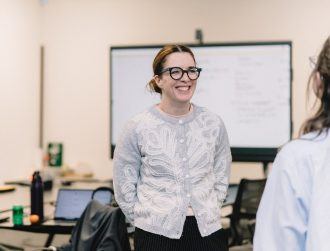
Lucy Foley's journey to becoming CEO of Exmoor Pharma began with a simple 13-year-old job at a local pharmacy. Fascinated by the process of medicines and dispensing, the pharmacist taught her about medicines, sparking her curiosity. This curiosity led her to study chemical engineering at UCL, where she found a synergy between her love for biology and engineering.
Foley's career spanned biochemical engineering and business, always with the goal of enabling novel therapies to scale. Her most significant contribution was leading the development of the RNA Centre of Excellence during the UK's Covid-19 response. This role was demanding, involving long hours and constant communication with various stakeholders. Despite the challenges, it was immensely rewarding, as they were building infrastructure that could potentially save lives globally.
Foley emphasizes that patient care is paramount. Her work in cell and gene therapy involves taking a patient's own cells, modifying them, and returning them to the patient. This approach aims for a more targeted treatment or even a cure, changing the way we treat illnesses. The one-off treatments can have a lifetime of benefit, raising questions about how we fund such medicines, especially in the UK.
She sees potential in young people who have benefited from these therapies to consider careers in the industry. To make this happen, industrialising these therapies and incorporating automation is crucial. AI and machine learning, though underused, could revolutionize the manufacturing process, and Foley believes the younger STEM community could provide valuable insights.
Her ultimate goal is to provide patients with greater access to critical medicines, ensuring they are manufactured in large volumes at a lower cost while maintaining quality.
Written by urgent.news from Silicon Republic's reporting — not their text. Machine-written — may contain errors; check the original before relying on it.