Europe’s high-speed map ends where the East begins
The EU wants a rising price on flying to push passengers onto trains. That works between Paris, Brussels, and Amsterdam, less so in the East. In the 1930s a traveller could board a sleeping car in Paris and step off, a few nights later, in Athens. The Simplon Orient Express and its sister trains carried […] Europe’s high-speed map ends where the East begins was originally published on Emerging…
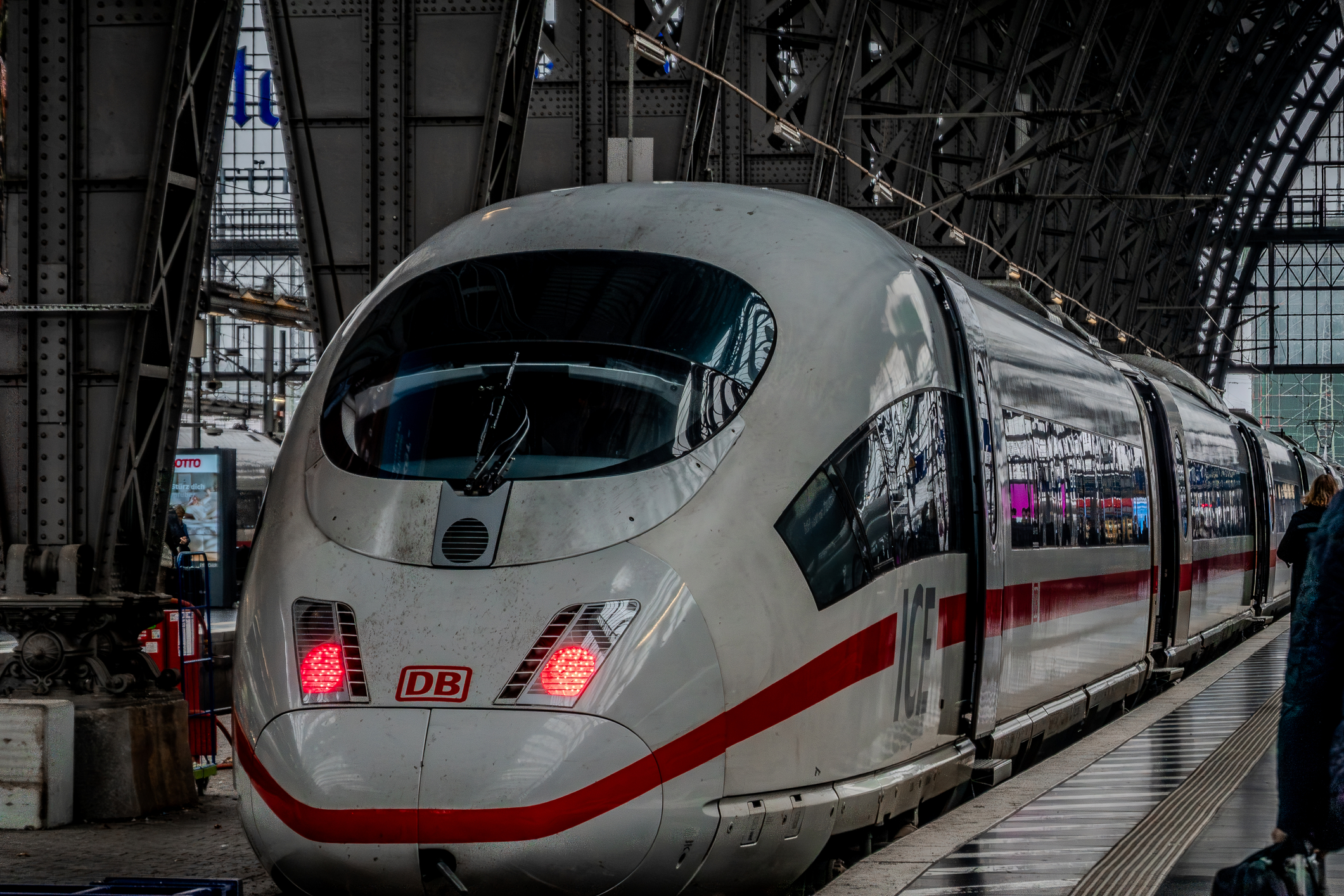
The European Union aims to incentivize travelers to choose trains over airplanes through higher prices on air travel. This strategy works well between major European cities like Paris, Brussels, and Amsterdam, but is less effective in the eastern part of the continent. In 1930s Europe, overnight train trips connected Paris to Athens, but the Simplon Orient Express and similar trains no longer operate.
In recent decades, Greece has suspended cross-border train services due to the debt crisis, leaving passengers to rely on buses or long journeys by coach. Traveling from Athens to Berlin without flying involves a train to Thessaloniki, a bus to Sofia, and connecting trains through Bucharest and Budapest, which could take three days or more.
Flying is faster, covering the route in under three hours with Aegean Airlines. Europe's transport policy focuses on increasing the cost of flying and improving train travel. The EU encourages this transition by making flights within Europe more expensive, while building high-speed rail lines to provide fast, attractive alternatives.
However, in the eastern and northern regions of Europe, the distance between major cities is so great that even high-speed trains are slow and inconvenient compared to flying. Brussels is proposing a plan to speed up rail connections between EU capitals and major cities by 2040, estimating the cost at 345 billion euros. France has already implemented a higher ticket tax for domestic flights, while other countries have varying policies on ticket taxes and levies.
Despite some resistance, the EU remains committed to promoting rail travel over short-haul flights by 2040.
Written by urgent.news from Emerging Europe's reporting — not their text. Machine-written — may contain errors; check the original before relying on it.