European Central Bank sees ‘historical parallels with the dotcom and subprime bubbles’ because of AI’s ‘rapid shift’ into debt finance
The ECB counts more than $4 trillion in AI commitments off big tech’s books and lines the boom up against the run-up to 2008.
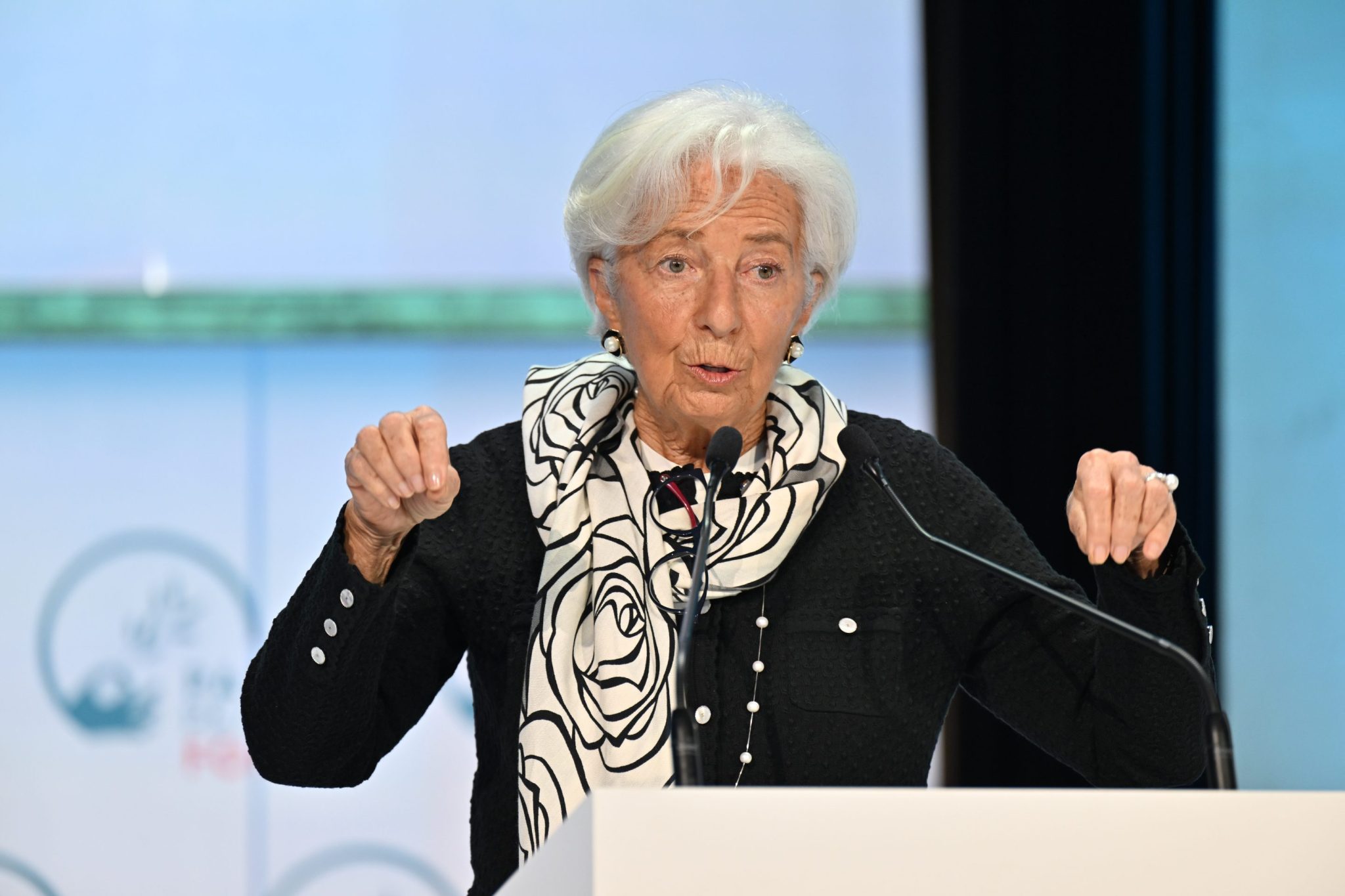
The European Central Bank (ECB) has identified notable historical parallels with the dotcom and subprime bubbles due to the rapid shift of artificial intelligence (AI) into debt finance. In its latest Financial Stability Review, the ECB estimated that major tech firms like Alphabet, Amazon, Meta, Microsoft, Nvidia, Oracle, Broadcom, and Anthropic had "total off-balance-sheet commitments of more than USD 4 trillion as of the second quarter of 2026," which is "well in excess of their outstanding on-balance-sheet liabilities."
The ECB's analysis draws attention to the ways AI debt financing resembles past financial crises. Six ECB authors point out that six obligations resemble debt but are not recorded as debt, revenue loops back to the payer, credit ratings may not be trusted by the bond market, and loans can outlast the assets they finance. This mirrors the situation in 2008, where excessive borrowing, risky investments, and a lack of transparency put the financial system on a collision course with crisis.
The ECB's comparison includes specific examples, such as companies signing contracts for data centers and chips, then borrowing against the promised payments from banks, bond investors, or private credit funds. The companies' earnings may not fully reflect their debt, as some of their reported demand is driven by their own financing decisions. Additionally, the maturity of hyperscalers' outstanding debt exceeds the economic lifetimes of many of the physical assets funded by that debt, particularly advanced chips.
The ECB also notes that credit spreads on tech firm bonds have widened compared to corporate bonds with similar ratings, particularly for longer maturities. This could indicate that markets currently view rating agencies' risk assessments as overly optimistic. Furthermore, non-bank euro area investors have increased their exposure to AI firms and started buying debt issued by these firms, raising concerns about potential contagion similar to the shadow banking system seen in the 2008 crisis.
However, the ECB acknowledges that while hyperscalers' earnings have generally met expectations, they might still face spillovers from a potential AI correction through their strong links with non-banks.
Written by urgent.news from Fortune's reporting — not their text. Machine-written — may contain errors; check the original before relying on it.