East-Central Europe hit by more than 50 non-traditional security incidents since October
More and more events occur that are not classic military actions yet still threaten our security, from state-sponsored cyberattacks to climate change and global pandemics.
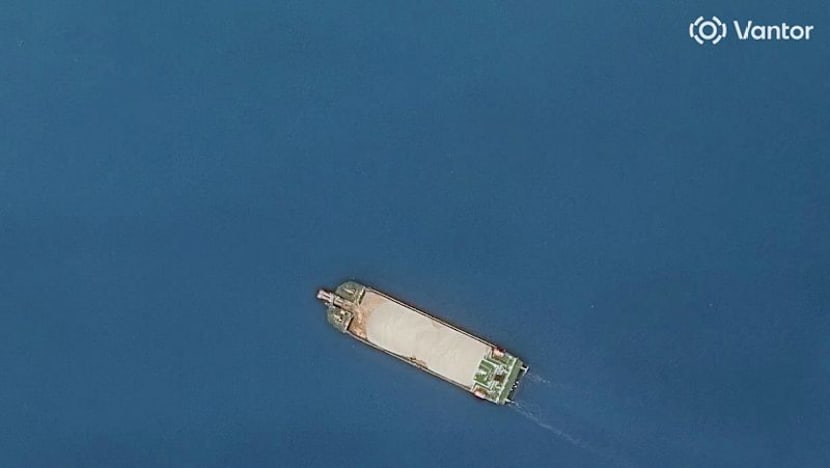
In recent months, Central and Eastern Europe has experienced over 50 non-traditional security incidents, according to researchers at the Global Security Research Group at Corvinus University of Budapest. These incidents, which include supermarket refrigerators being heated to 50 degrees by hackers, grain ships being destroyed by drones in the Black Sea, and water shortages in the Carpathian Basin, have become increasingly frequent.
The database of these non-traditional security challenges is open to the public and will be updated regularly.
The group's leader, Péter Marton, pointed out that the region is facing challenges due to climate change and the war in Ukraine. He emphasized the region's specific vulnerabilities, including demographic challenges, ageing critical infrastructure, and significant energy dependence. Marton explained that state actors were responsible for more than half of the incidents, using military means to inflict damage even in a subtle manner. This was evident in the Black Sea, where ships were damaged and sunk.
France, too, has accused Iran of carrying out a cyberattack on its supermarket refrigeration systems. Non-state actors, such as organized crime and terrorism, also play a major role in non-traditional security challenges. The researchers hope that decision-makers will use these findings to better defend against non-traditional threats or at least gain a better understanding of them.
Written by urgent.news from Euronews's reporting — not their text. Machine-written — may contain errors; check the original before relying on it.