China’s AI stocks, hyperscalers hit by signs of tougher US tech curbs
China's blue-chip CSI300 index and the Shanghai Composite Index were down roughly 0.4% by the midday break, flirting with their lowest levels since mid-2025.
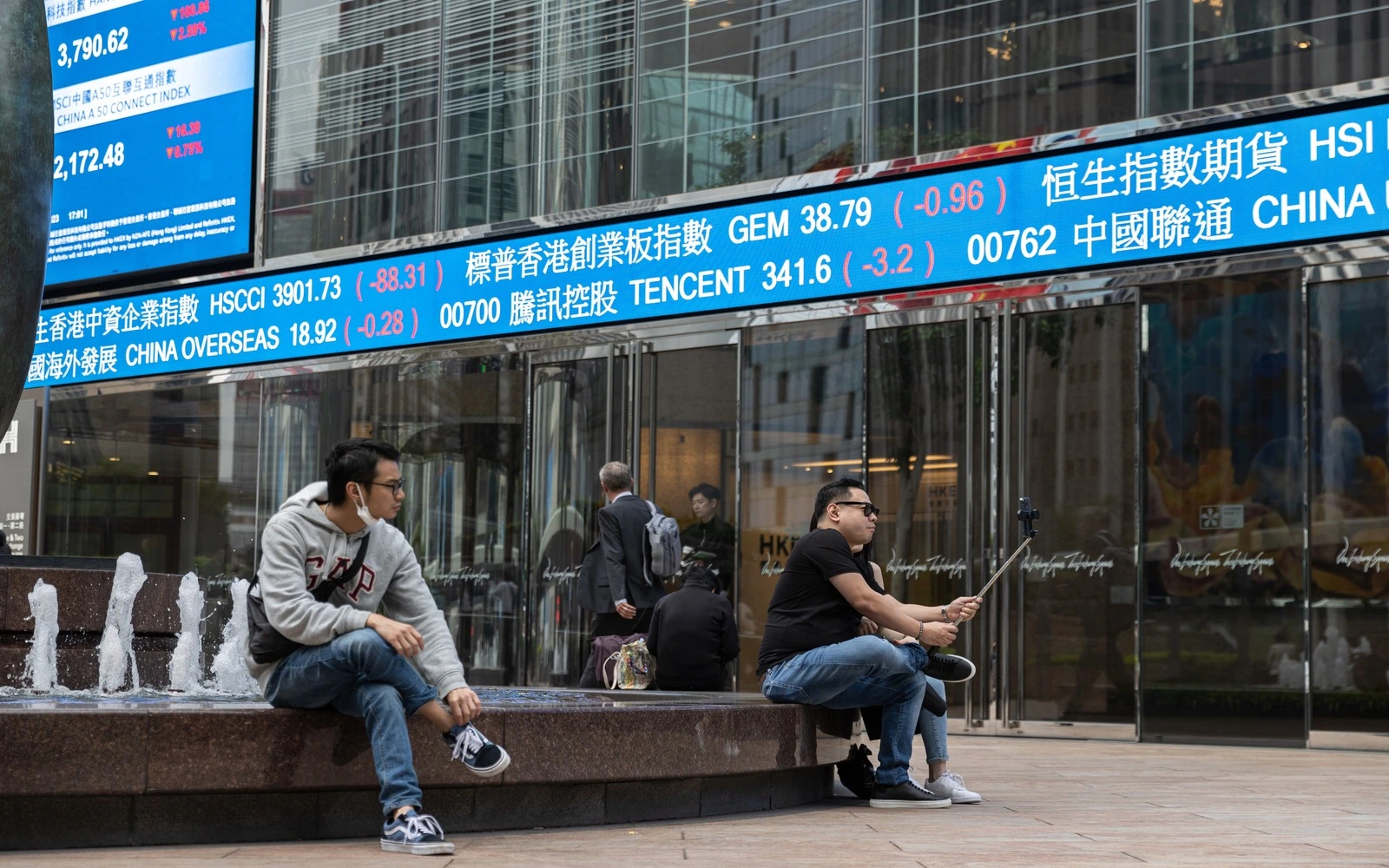
China's stock markets, particularly those of AI-related companies, faced a decline due to perceived tightening US tech restrictions against China. This was while expectations of an upcoming meeting between Chinese President Xi Jinping and former US President Donald Trump fueled concerns over escalating Sino-US tensions.
The Hang Seng Tech index in Hong Kong saw a 1.5% drop, led by a decline in MiniMax, an AI model developer, alongside major tech firms Alibaba and Tencent. The benchmark Chinese stock index was near a 16-month low, indicating significant investor concerns.
Ex-Nvidia CEO Jensen Huang's downfall, following his company's decision to not resume sales to China, contributed to the market volatility. This development could ripple effects beyond the AI sector, potentially affecting investment dynamics and US-China relations.
US officials, including the Trump administration, are persisting with efforts to restrict Chinese data-center equipment imports, citing national security concerns. This includes seeking to ban US imports of new Chinese optical transceivers. Additionally, Nvidia announced it would not rehire its co-founder Jensen Huang as CEO, signaling a shift in their business approach.
Despite these headwinds, some sectors showed resilience. China's STAR Chip Index and the semiconductor industry index rose, with an underlying belief that domestic AI chipmakers could capitalize on the tightening US chip export restrictions.
Geopolitical tensions were further highlighted by US President Trump's meetings with leaders of key regional allies - India, Japan, and Australia - prior to a trilateral summit with Chinese and Russian counterparts at the APEC forum in Shenzhen. The Quadrilateral Security Dialogue (Quad), comprising these countries, expressed grave concerns over economic coercion, although they refrained from naming China directly.
Internationally, gold stocks experienced a sharp decline, anticipating potential US rate hikes. Additionally, defense stocks also took a significant hit, reflecting the broader market's sensitivity to geopolitical developments.
Written by urgent.news from Free Malaysia Today's reporting — not their text. Machine-written — may contain errors; check the original before relying on it.