Cedi loses ground as depreciation slips further to 10.6% – BoG data
The Ghana cedi is coming under renewed pressure, with its year-to-date depreciation against the US dollar reaching 10.6 per cent in November, up from 9.5 per cent in September.
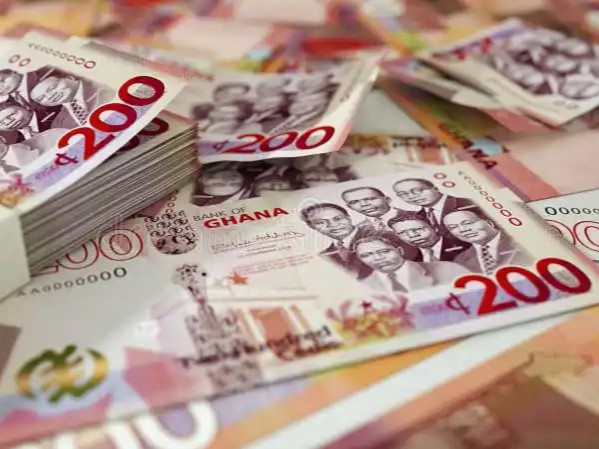
The Ghana cedi is experiencing further depreciation, with its year-to-date decline against the US dollar now at 10.6 percent in November, according to data from the Bank of Ghana. This is an increase from 9.5 percent in September. The dollar is now trading at GH¢11.69 on the interbank market, up from GH¢11.66 in September. Ghana's currency has also weakened against the British pound and the euro, reflecting concerns about foreign exchange supply and the sustainability of its recent performance.
Depreciation against the British pound is expected to reach 9.2 percent, while it will weaken by 5 percent against the euro on the interbank market. Fitch Solutions projects that the cedi will average GH¢12.40 to the US dollar by 2027, citing lower international gold prices and the government's efforts to build foreign exchange reserves as key factors.
The accumulation of reserves under the Ghana Reserve Accumulation Programme could also contribute to tightening dollar supply. Fitch Solutions associate director Mike Kruiniger warned that this shift, combined with lower gold earnings and reserve accumulation, could limit dollar inflows, making it harder for the cedi to withstand demand pressures.
He also cautioned that a stronger US dollar could negatively impact global gold prices, potentially reducing Ghana's export receipts. If gold prices decline, it could lead to higher costs for imported goods and production inputs, potentially increasing operating expenses for businesses and contributing to inflation.
Written by urgent.news from Joy Business's reporting — not their text. Machine-written — may contain errors; check the original before relying on it.