Beyond the 15-minute delivery race: Glovo's next chapter in quick commerce
The days of racing to deliver groceries in 15 minutes — I once clocked a 7-minute delivery from the non-defunct Gorillas here in Berlin — may be over, but quick commerce is constantly evolving. What b...
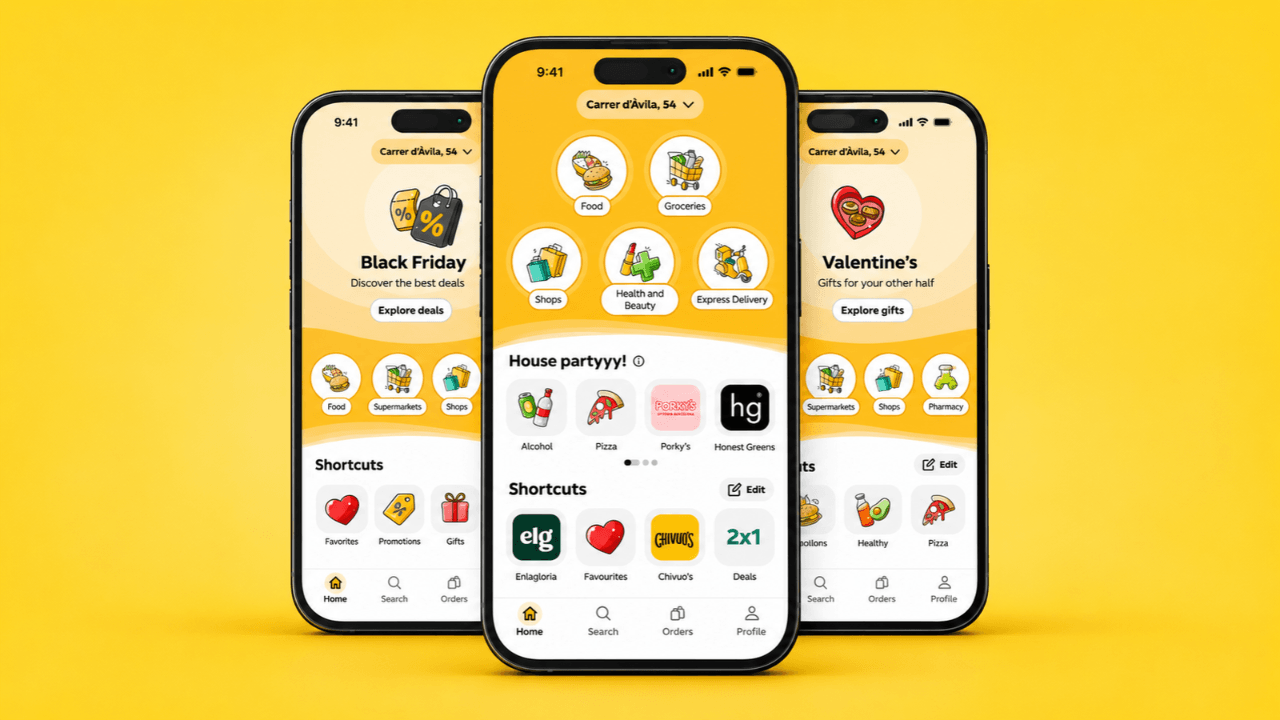
Quick commerce, once focused on delivering groceries within 15 minutes, has transformed into a broader retail model encompassing pet food, pharmacy products, fashion, electronics, and more. Connie Kwok, VP of Q-Commerce at Glovo, spoke at the Startup Campus in Yellow Park, Barcelona, about the evolving landscape and challenges faced by delivery platforms. With quick commerce accounting for 22% of Glovo's business, the new focus shifts from speed to integrating delivery platforms into everyday retail.
Pharmacy, typically the next category customers adopt after groceries, presents unique challenges due to varying regulations across countries. In Spain, Glovo can provide over-the-counter medicines but must connect customers to individual pharmacy websites, adding complexity. Pet products, however, have proven promising. With Glovo's app initially built for pizza sales, pet food's repeat purchase rate makes it an attractive category. Its 51% growth in petcare in 2024 indicates its potential for further expansion.
Fashion products, such as Adidas and Birkenstock in Morocco, are another area where Glovo is venturing. Retailers have driven this expansion, rather than Glovo approaching them. However, fashion has a more considered purchasing process, and returns pose significant challenges. Glovo's inventory accuracy is another critical issue, varying significantly among retailers' levels of digital maturity.
Challenges range from live stock updates via APIs in some countries to infrequent updates via WhatsApp in others. Glovo employs various strategies to tackle these challenges, such as random inventory checks in stores and deploying people to conduct checks in markets with less technological development.
Written by urgent.news from Tech.eu's reporting — not their text. Machine-written — may contain errors; check the original before relying on it.