Bank Negara warns cyber attacks and banking disruptions will become more common
KUALA LUMPUR: Cyber incidents and banking service disruptions are likely to become increasingly common as the financial sector becomes more digitalised and interconnected, Bank Negara Malaysia (BNM) warned.
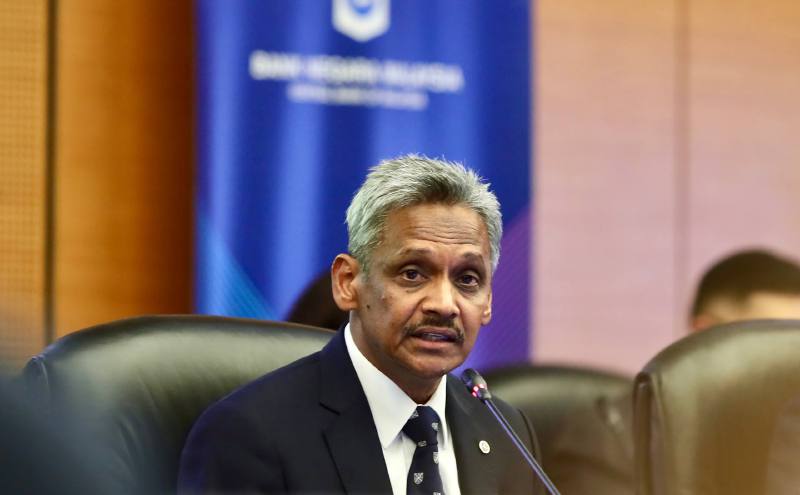
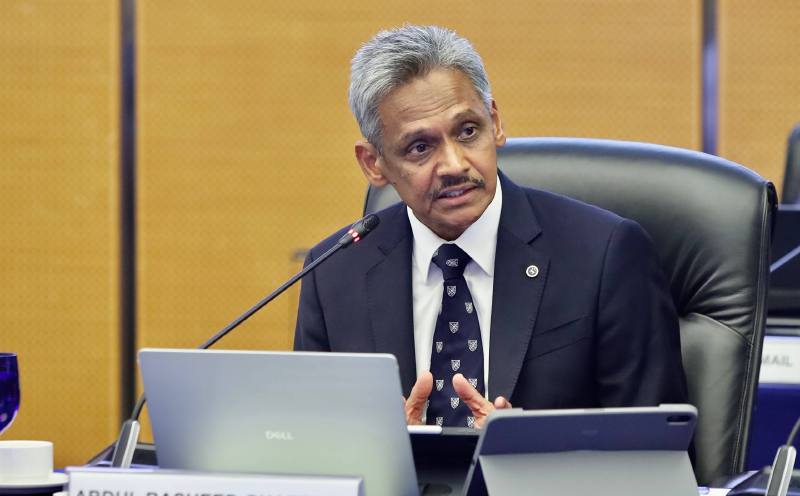
KUALA LUMPUR - The central bank of Malaysia, Bank Negara Malaysia (BNM), has cautioned that the rising digitization and interconnectedness within the financial sector will likely result in more frequent cyber incidents and disruptions to banking services. Governor Datuk Seri Abdul Rasheed Ghaffour emphasized the importance of financial institutions bolstering their capacity to identify, react to, and recover from such situations.
Noting ongoing investments in cyber defenses, BNM has been proactive in emphasizing cybersecurity resilience through supervisory measures and continual improvements to its Risk Management in Technology (RMiT) policy. Collaborating with the National Cyber Security Agency (NACSA), BNM works to enhance the financial sector's readiness for cyber preparedness, resilience, and operational capabilities.
BNM's chief stressed that as the world becomes more digital and interconnected, it is essential to expect the possibility of cyber incidents and potential banking outages in everyday life, which should be regarded as an unavoidable reality. The primary objective is to ensure that financial institutions can swiftly respond to disruptions, maintain dependable services, and safeguard consumers.
Abdul Rasheed emphasized that cybersecurity is a collective responsibility, involving regulators, financial institutions, and consumers. While BNM will continue to enforce appropriate regulations and supervisory policies, banks must invest in their individual defenses and remain vigilant against cyber attacks. Consumers are advised to be cautious of scams, impersonation attempts, and other cyber threats, particularly those disseminated through social media and emails, practicing BNM's 3S approach of Spotting, Stopping, and Sharing suspicious information.
Written by urgent.news from New Straits Times's reporting — not their text. Machine-written — may contain errors; check the original before relying on it.