Bailey hints at higher interest rates amid ‘firming in the labour market’
Bank of England governor Andrew Bailey has said a continuation of the Iran war and a “firming in the labour market” are likely to lead to further interest rate hikes. In a speech at the Institute of Economic Development Conference in London, Bailey explained that nine months of conflict in the Middle East, which has [...]
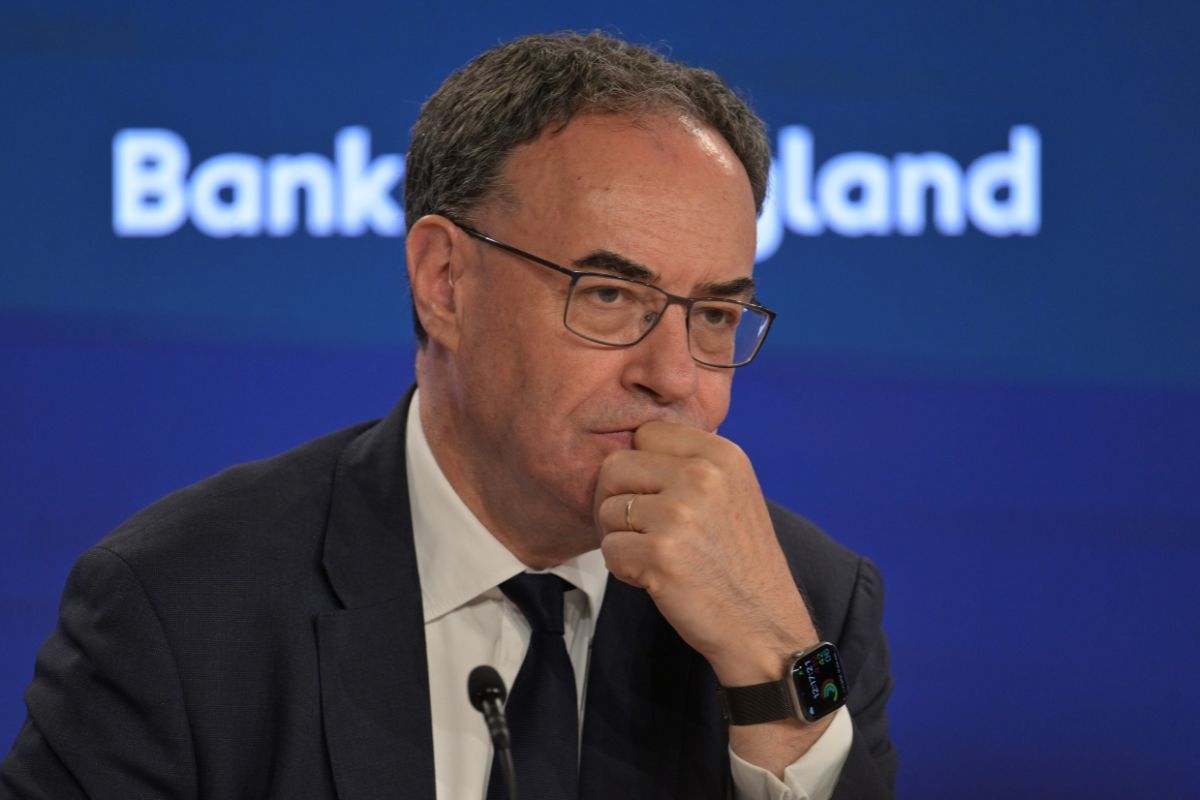
Bank of England governor Andrew Bailey suggested additional interest rate hikes due to the ongoing Iran war and a tight labour market. During a speech at the Institute of Economic Development Conference in London, Bailey revealed that the conflict in the Middle East has driven energy prices up, ultimately prompting the Bank of England to raise interest rates to 4% in early November.
The uncertainty surrounding the war and its impact on prices will influence the next monetary policy decision in mid-December, according to Bailey. He emphasized that the Bank may need to tighten monetary policy further as the conflict persists and energy prices remain high. Bailey noted that employment levels in the UK economy have surpassed expectations, despite falling confidence levels.
However, despite some areas of employment appearing to have spare capacity, a tightening labour market has supported household incomes and spending. The Bank's Monetary Policy Committee, which aims to keep inflation stable at 2% over the medium term, will closely monitor evidence of price pressures in the UK economy. Recent data showed inflation rose to 3.6% in October, while price growth excluding volatile items remained at 2.8%.
The rate of unemployment fell to 4.7%, while vacancy levels also decreased. However, wage growth only increased by 3.2% in the private sector. Bailey's remarks about the labour market might suggest the Bank is more worried about inflation spiking higher than anticipated. He stressed that "national average can only tell us so much" and that the effects of the Iran war have been "uneven" across the economy.
Bailey also mentioned that while AI spending could boost productivity in the long term, the impact has been "relatively small" so far.
Written by urgent.news from City AM's reporting — not their text. Machine-written — may contain errors; check the original before relying on it.