Bahrain's war-hit Sitra refinery weeks away from full capacity, Bapco Energies CEO says
Bahrain's Sitra refinery, hit six times by Iranian strikes since the regional war began in late February, is still weeks away from returning to full capacity, the chief executive of energy company Bapco Energies said on Wednesday. The 415,000 barrels-per-day plant is now running at more than 80 per cent of capacity and will hit 100 per cent by the end of the year, Mark Thomas said on a panel at…
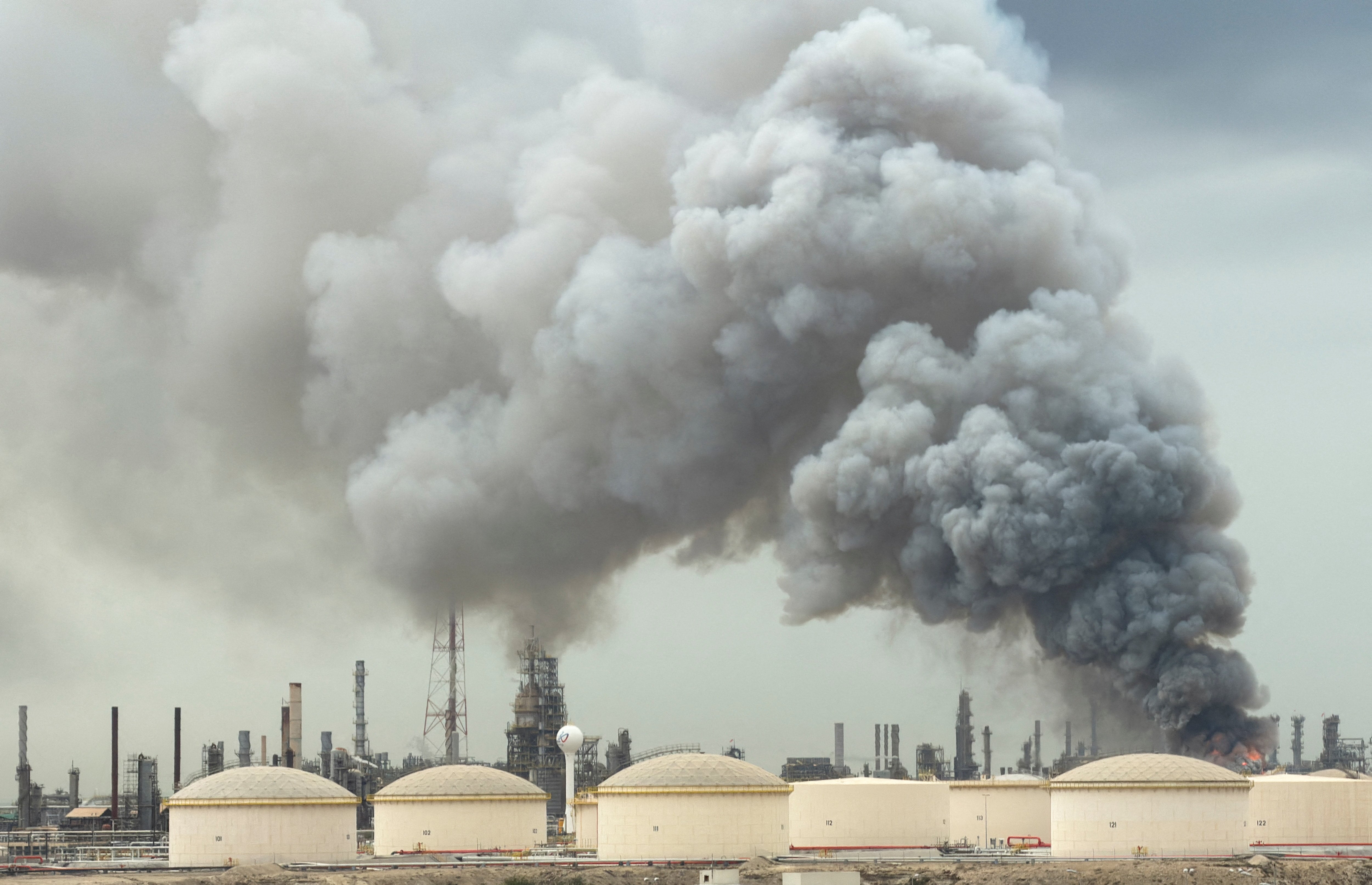
Bahrain's Sitra refinery, which has been attacked six times by Iranian strikes since the regional war began, is still weeks away from reaching full capacity, according to Mark Thomas, CEO of energy company Bapco Energies. Currently operating at over 80% of its capacity, the 415,000 barrels-per-day plant is expected to reach 100% by the end of the year, Thomas said during a panel at the Middle East Gas Conference in Dubai.
The final step in the recovery process involves restarting conversion units, such as hydrocrackers, which are situated after the crude and distillation units. Thomas expressed optimism that the refinery will soon return to its design capacity, provided it receives a few more weeks of operational time. This recovery marks a turnaround for Bahrain's only refinery, which had been in the final stages of commissioning when the attacks commenced.
Prior to the war, approximately 85% of the refinery's output was exported through the strategically important Strait of Hormuz. However, due to the closure of the strait and damage to refineries across the region, the majority of the refinery's output is now consumed within the Gulf. Bapco is distributing jet fuel to Qatar and the UAE, diesel to Iraq, and fuel to Saudi Arabia.
Despite the war's impact on export pressure, Bapco anticipates this pressure will rise again as rival plants recover. Transporting naphtha and liquefied petroleum gas, which currently have no buyers in the Gulf, has proven challenging due to the need for specialized carriers and the high cost of chartering vessels for the eight-hour transit, which amounts to $17 million for a cargo of 300,000 barrels of diesel.
Written by urgent.news from The National UAE's reporting — not their text. Machine-written — may contain errors; check the original before relying on it.