America's Aging Air Travel Infrastructure Isn't Ready for Climate-Fuelled Extreme Weather
Why outdated U.S. travel infrastructure is vulnerable to weather disruptions
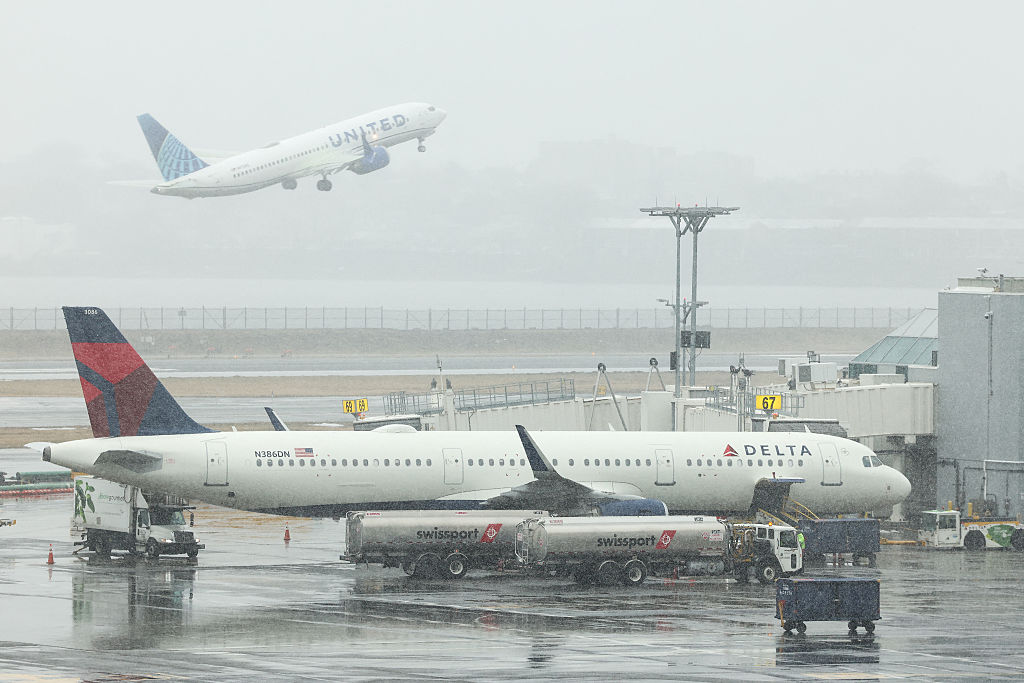
America's aging air travel infrastructure is struggling to cope with climate-fueled extreme weather, according to a recent nationwide ground stop that disrupted flights across the country. Last Friday's four-hour stoppage, the longest in 25 years, saw over 15,000 delayed or cancelled flights, highlighting the vulnerability of the nation's air traffic control systems.
Transportation Secretary Sean Duffy attributed the incident to outdated equipment that destabilized communication and radar systems during a routine network upgrade. Despite the system generally functioning well, it relies on outdated technology, like using a screwdriver instead of a hammer, making it more susceptible to disruptions, particularly severe weather conditions.
The upcoming Thanksgiving travel season, already a challenging time, is expected to see increased weather-related delays and cancellations. Severe weather is the most common trigger for local ground stops, and with the world experiencing what is set to be the strongest El Niño in recorded history, the risk for more disruptions is high. Older air traffic control systems, at least a decade behind others, are ill-equipped to handle the challenges posed by extreme weather.
Tim Kiefer, a professor of air traffic management, likens the current system to using a screwdriver for a job that requires a hammer. This outdated approach can lead to cascading problems, especially when weather balloons, crucial for forecasting, are grounded due to ground stops. Extreme weather conditions, intensified by climate change, create a feedback loop of poor forecasting and increased risks for flights.
Moreover, climate change is making storms stronger, requiring planes to maintain greater distances from storm centers, a rule that might have been effective decades ago but is no longer sufficient. Increasing turbulence due to warmer air temperatures is another concern. Air traffic control towers are also chronically understaffed, exacerbating delays when hiccups occur.
Although some hope recent events will prompt swift updates to the system, modernizing air traffic control is a complex and lengthy process. Experts emphasize the need for careful, methodical improvements, acknowledging that a complete overhaul is not feasible in the short term. Travelers are advised to monitor weather updates and airline notifications, as delays and ground stops are becoming more common due to a combination of factors.
Written by urgent.news from Time's reporting — not their text. Machine-written — may contain errors; check the original before relying on it.