AI vs humanity: Why Cambridge Dictionary chose 'Human' as its Word of the Year 2026 | Explained
Cambridge Dictionary has named 'Human' its Word of the Year for 2026, amid growing debates over artificial intelligence. The choice reflects a renewed appreciation of human creativity, authenticity and connection as AI increasingly blurs the boundaries between people and machines.
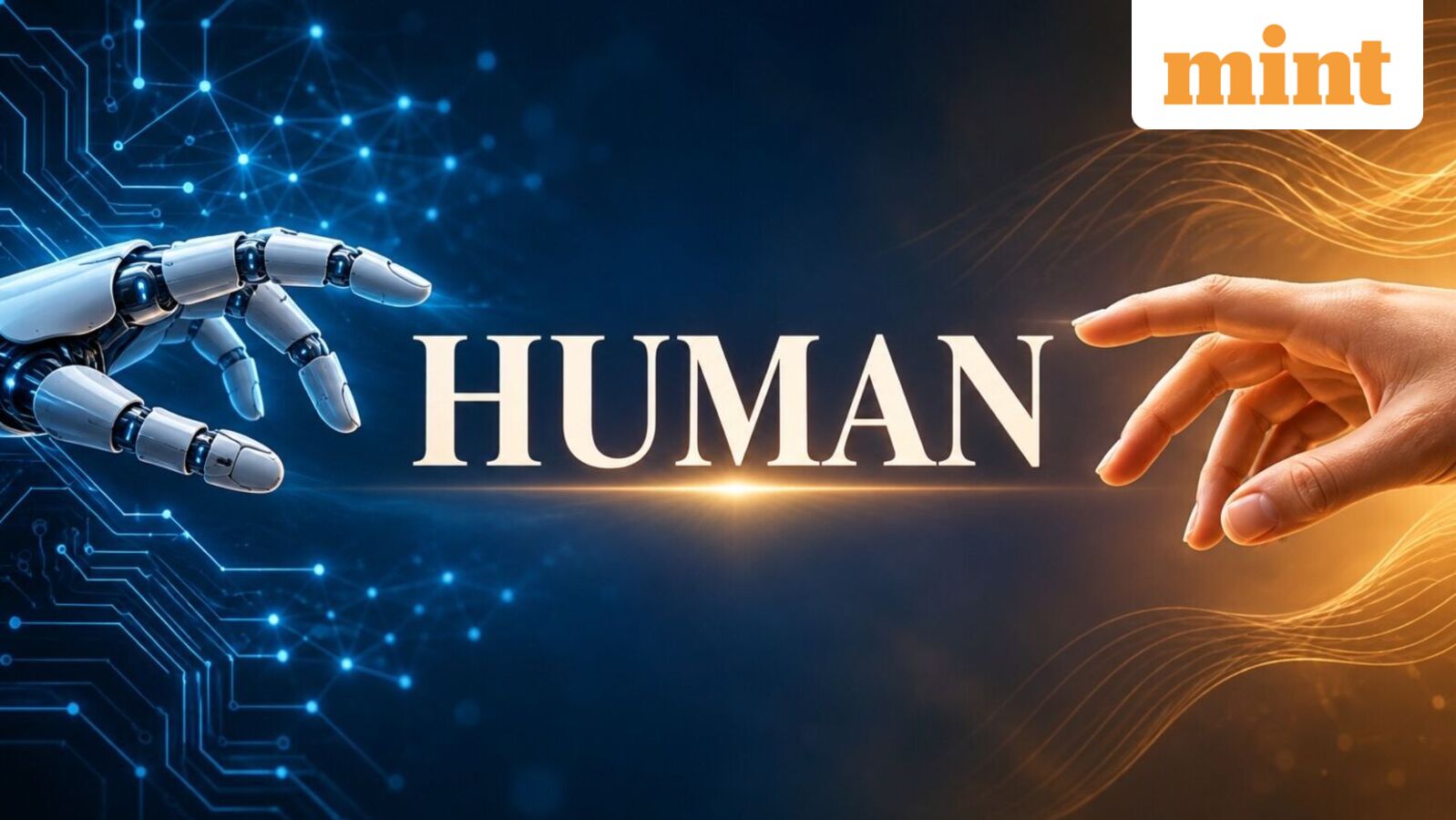
Cambridge Dictionary has named Human as its Word of the Year for 2026, reflecting a growing discussion around artificial intelligence (AI). The dictionary defines human as possessing qualities, faults, and feelings unique to people, distinguishing them from gods, animals, or machines. Cambridge Dictionary noted that the term has become associated with anything created or typical of people as opposed to AI.
They explained that the shift might be a natural linguistic development due to AI's ubiquity, but it could also signify a change in our attitude towards artificial intelligence. The dictionary cited global debates questioning what it means to be human in the era of AI blurring the boundaries between people and machines. Colin McIntosh, chief editor of Cambridge Dictionary, explained that AI's pervasive presence in society this year has led to a re-evaluation of what it means to be human, emphasizing the human factor in consumption and life.
The year 2026 has witnessed rapid advancements in AI, transforming various sectors and prompting a renewed appreciation for human creativity, craftsmanship, and authenticity. Terms like human-made and the human premium trend indicate a shift towards recognizing human involvement in products and experiences. This change in attitude has extended to health, lifestyle, sports, and entertainment, reigniting debates about AI's influence on human identity, creativity, and connection.
The choice of Human as the Word of the Year reflects how AI's growing capabilities have prompted people to reconsider the distinction between humans and machines. A recent study by the University of California, San Diego, revealed empirical evidence of AI systems like ChatGPT-4.5 passing the Turing Test in 73% of cases, leading to questions about whether AI has achieved sentience and the future of humanity. The other four words shortlisted alongside Human were analogue, agent, wholesome.
Written by urgent.news from Live Mint's reporting — not their text. Machine-written — may contain errors; check the original before relying on it.
This story
This is one outlet's version. Read the fullest account.
- Cambridge Dictionary picks ‘human’ as its Word of the Year 2026 amid AI debate hindustantimes.com
- Cambridge Dictionary chooses ‘human’ as word of the year in response to AI fears winnipegfreepress.com
- Cambridge Dictionary names 'human' word of the year in rebuttal to AI abc.net.au
- Cambridge Dictionary Names 'Human' Word Of The Year 2026 Amid Growing Concerns Over Artificial Intelligence freepressjournal.in
- Cambridge Dictionary chooses 'human' as word of the year in response to AI fears koreatimes.co.kr
- Would AI have come up with a better word of the year than the Cambridge Dictionary? cbc.ca