AI found a hole in Java, and it starts with 'AAAAAAAA...'
The bug could let hackers take over systems at banks, hospitals and most Fortune 500 companies.
A security flaw discovered in the widely-used programming language Java poses a significant threat to the computer systems of major organizations, including banks, hospitals, and Fortune 500 companies. If researchers' findings are accurate, this vulnerability could be exploited to gain unauthorized access to these critical systems.
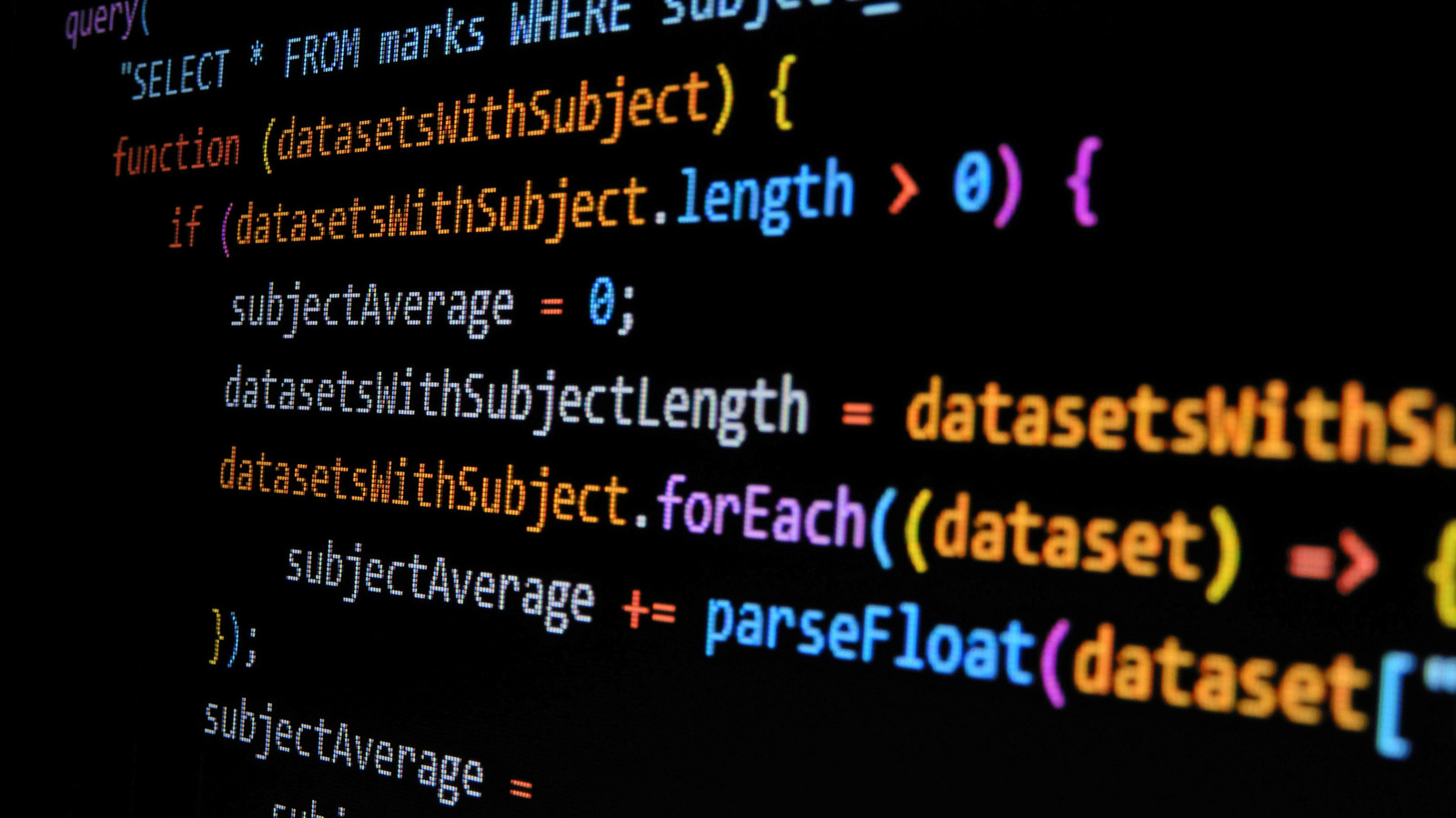
Researchers from cybersecurity startup Calif, aided by OpenAI's GPT-6 Cyber model, uncovered the bug while exploring potential exploits. By sending a specific string of 64 "A" characters followed by an equals sign to Java's base64 decoder, the researchers were able to trigger a memory error. In certain scenarios, this error could be manipulated to provide attackers with full control over the affected system.
The implications of this discovery are particularly concerning given Java's ubiquitous presence in the digital infrastructure of various industries. Approximately 90 percent of Fortune 500 companies rely on Java for their platforms, making it a prime target for cybercriminals. Unfortunately, the researchers suggest that the bug is not easily weaponized, providing defenders with some time to address the issue.
Oracle, the company behind Java, released a critical patch update on Tuesday to address the vulnerability. However, the Cybersecurity and Infrastructure Security Agency (CISA) has urged organizations to promptly apply the patch to their systems. Despite these efforts, it is likely that some systems will remain unpatched, leaving them susceptible to exploitation. Calif estimates that this bug could remain unpatched for an extended period, potentially as long as five to ten years.
While this incident is troubling in itself, it also highlights the broader challenges faced by digital infrastructure in the face of advancing AI technologies. As organizations grapple with the ongoing stream of cyber incidents, the AAAAAAAA... sequence serves as a stark reminder of the ongoing cat-and-mouse game between hackers and defenders in the digital age.
Written by urgent.news from Engadget's reporting — not their text. Machine-written — may contain errors; check the original before relying on it.