After a week of outages that put IT resiliency to the test, CIOs are already preparing for the next disruption
Outages at Microsoft, the FAA, banks, and airlines are prompting technology leaders to take stock of their backup systems, communications protocols, and business continuity plans.
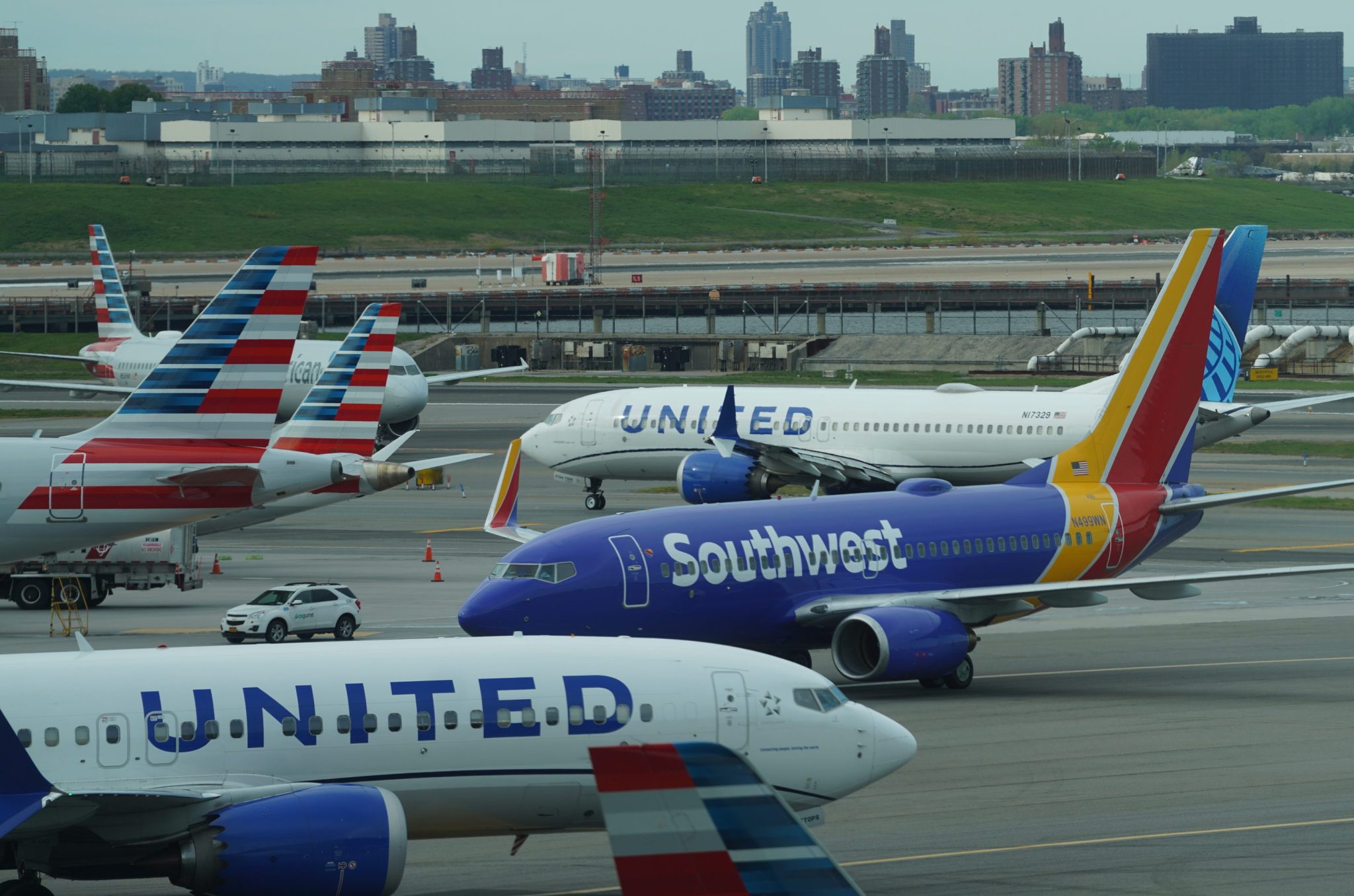
After a week of IT outages that tested workplace resiliency, CIOs are already preparing for the next disruption. The week began with a Microsoft outage that affected workplace services like Outlook, Teams, and Copilot. This was followed by a Federal Aviation Administration ground stop that halted departures across the nation, impacting over 1.5 million passengers.
Subsequent disruptions included banking website and app issues from financial giants such as Wells Fargo, Capital One, United Airlines, Apple, and an internal communications network failure at the National Security Agency.
These disruptions, while not necessarily connected, have drawn attention to the reliability and resiliency of IT systems that most take for granted. CIOs are now focusing on communication strategies for sharing outage details with employees, customers, executives, and the board, as well as developing post-mortem reports to improve business continuity plans. AtlantiCare's CIO, Jordan Ruch, emphasizes that resilience is built through planning and operational readiness rather than just relying on backup systems.
Microsoft's outage, which affected AtlantiCare, revealed the need for additional redundancy levels for critical technology systems. Ruch's healthcare organization plans to enhance redundancy for applications like Copilot to mitigate future disruptions. Meanwhile, Marsha Stein, CIO at Ropes & Gray, credits their pre-existing redundancy measures—such as emergency notifications and secondary email systems—for weathering the Microsoft outage.
She stresses the importance of ongoing dialogue among leadership about lessons learned from the event.
Lockton's CIO, Shreyas Mysore, notes that Microsoft's delayed communication about the outage's potential global impact posed challenges. He stresses the importance of timely communication and proactive updates to clients before and during outages. Lockton will produce an incident report analyzing the Microsoft outage's effects, the severity, and areas for improvement in internal communications and executive engagement.
Fenix24, a cybersecurity firm, shares similar concerns, pointing out that having alternative communication channels, such as Signal or WhatsApp, is crucial when email systems fail. The company relies on a hybrid model that combines Microsoft 365 with an on-premises internal communications system. Heath Renfrow, Fenix24's CISO, advises enterprises to establish these alternative communication channels before an outage occurs, especially for critical executives.
He suggests that firms may consider investing in redundant systems like Google's for key personnel, albeit considering the associated costs.
Experts, including Akamai's CTO James Kretchmar, emphasize the need for clear and consistent communication during outages to help users adapt. Balancing realistic expectations for system recovery times is essential to maintaining a positive reputation, according to Kesler, CISO at Pendo.
Written by urgent.news from Fortune's reporting — not their text. Machine-written — may contain errors; check the original before relying on it.