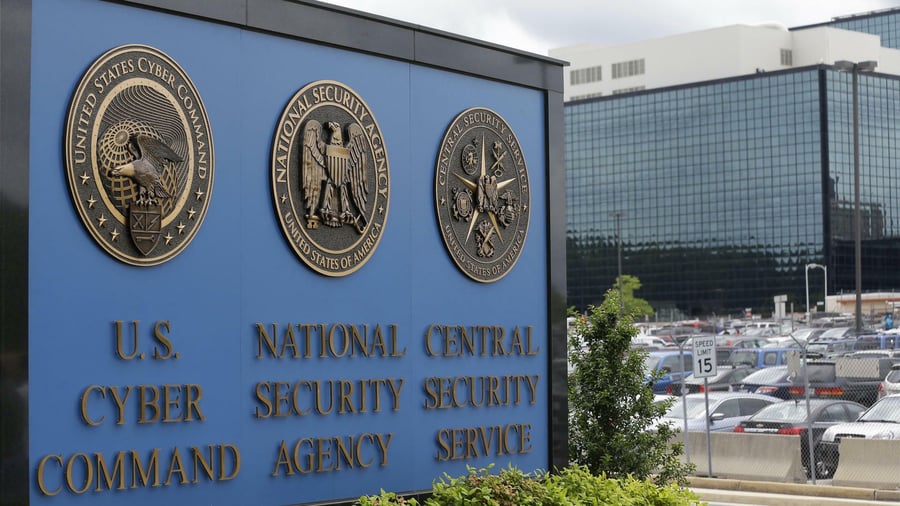
What is a dirty bomb and how dangerous is the weapon
President Trump warned Iran against orchestrating a "dirty bomb" attack in Washington, D.C., though the White House says there are no credible threats. The big picture: Unlike a nuclear weapon, a "dirty bomb" uses common explosives to scatter radioactive material, potentially contaminating surrounding areas, forcing evacuations and causing widespread disruption. Driving the news: Asked Tuesday…
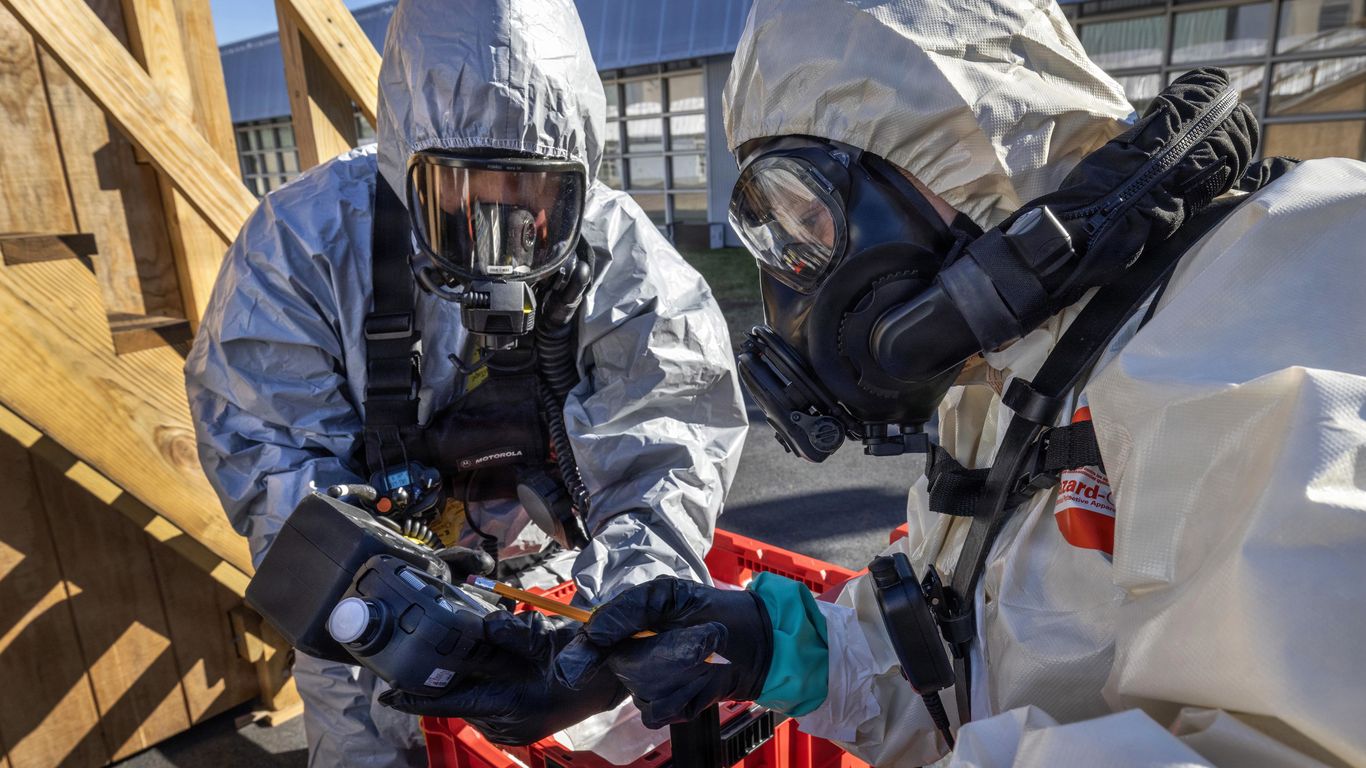
A "dirty bomb" is a type of explosive device that combines conventional explosives with radioactive materials. Unlike a nuclear bomb, which releases a massive blast of energy, a dirty bomb primarily spreads radioactive dust, smoke, or other contaminated materials over a wide area.
The main danger from a dirty bomb comes from the explosion itself, which can cause serious injuries and extensive property damage. The extent of the impact depends on factors such as the size of the bomb, the type of radioactive material used, and environmental conditions like weather. Radioactive contamination can lead to health issues such as nausea, vomiting, skin burns, and radiation sickness.
If a dirty bomb were to explode in Washington, D.C., immediate response measures would include restricting access to the affected area, conducting radiation level assessments, and advising residents to shelter indoors. The Department of Homeland Security has implemented programs to enhance security in high-risk urban areas like D.C., including providing funds for radiation detection equipment and training personnel.
Written by urgent.news from Axios's reporting — not their text. Machine-written — may contain errors; check the original before relying on it.