Voters want relief from rising power bills. Democrats must find a way to deliver without stalling the AI investment helping drive the economy
Voters want relief from rising power bills. Democrats must find a way to deliver without stalling the AI investment helping drive the economy.
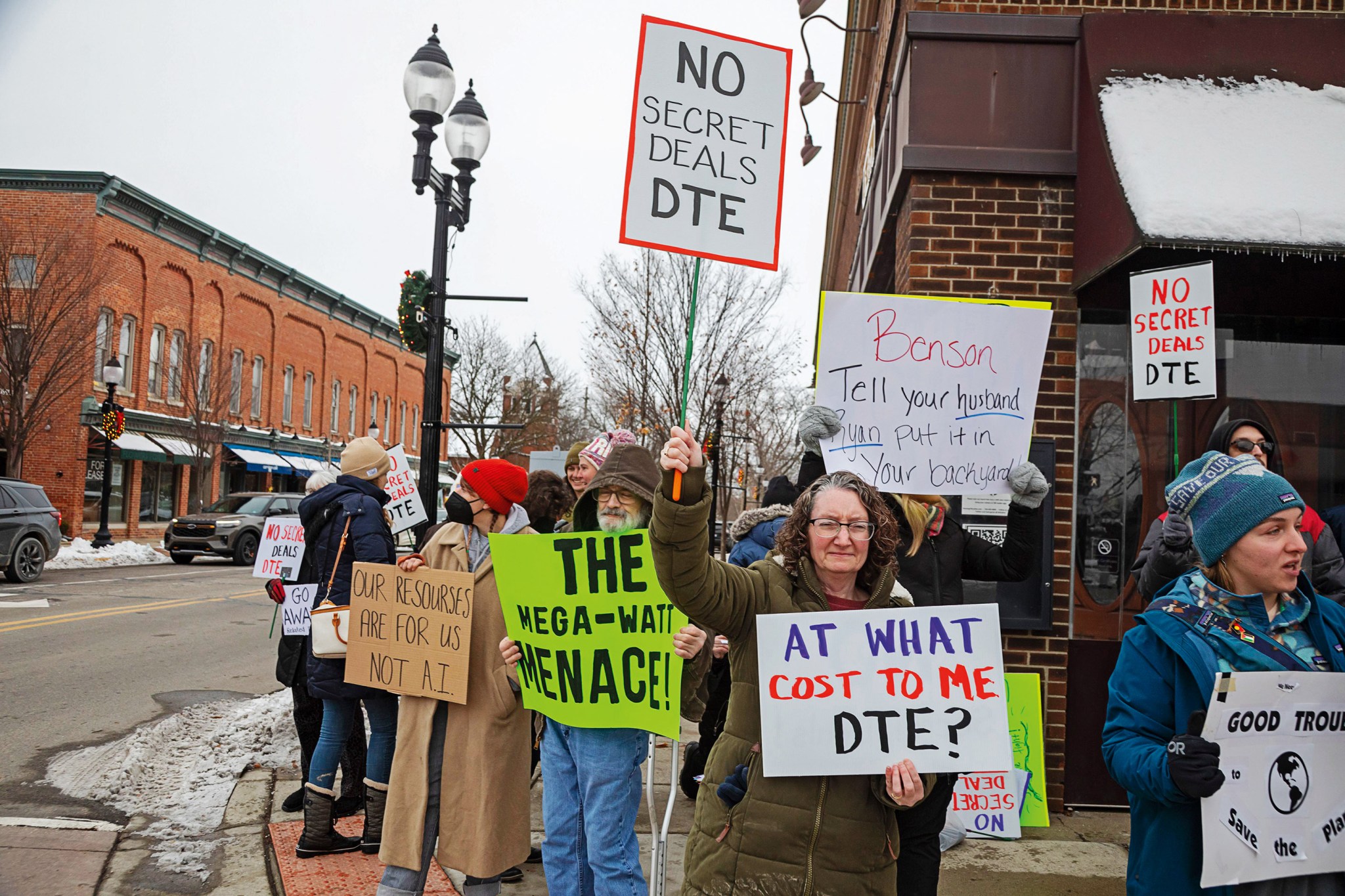
Voters have expressed a strong desire for relief from the rising cost of power bills generated by the rapid expansion of data centers. This sentiment has led some Democrats to consider measures aimed at addressing these concerns without impeding the growth of artificial intelligence (AI), a technology that both parties view as crucial for maintaining economic competitiveness, particularly against China.
The surge in electricity prices near data centers, up to 267% over five years, and the disproportionate financial burden on operators has fueled voter discontent. According to a Gallup poll, 71% of Americans oppose the establishment of a data center in their area, a figure significantly higher than the opposition to nuclear plants. While opposition to data centers appears to be a rare bipartisan stance, Democrats face a significant challenge in balancing voter demands with the need to maintain support for AI development.
Some lawmakers have proposed a temporary moratorium on new data centers, arguing that it could provide time for better deals and negotiations. This approach has been endorsed by both Democratic and Republican governors, such as New York's Kathy Hochul and Texas's Greg Abbott. However, others within the Democratic Party advocate for a more nuanced approach, such as "democratic oversight" or the establishment of a federal right to sue over harmful AI products.
Yet, these measures have limitations, as they may be ineffective in the long run due to the potential relocation of projects to more favorable locations.
A more promising strategy for Democrats might involve leveraging their regulatory authority at the state level. Utility regulators, who decide on power price allocations, can require data centers to contribute to grid upgrades. This approach is already being implemented in some states and directly addresses the voters' main concern of rising power bills.
Moreover, recent voluntary actions by tech giants like Microsoft, Meta, Amazon, and OpenAI, who have pledged to cover power costs or invest in community funds, suggest that some companies are willing to make concessions.
In summary, while addressing voter concerns about rising power bills presents a complex challenge, a combination of oversight, legislation, and voluntary corporate initiatives may offer Democrats a viable path forward. Finding the right balance between curbing data center expansion and supporting AI innovation will be essential for maintaining both voter support and technological competitiveness.
Written by urgent.news from Fortune's reporting — not their text. Machine-written — may contain errors; check the original before relying on it.