Voters broke with Democrats on ballot initiatives
Progressives blame messaging and money for failures.
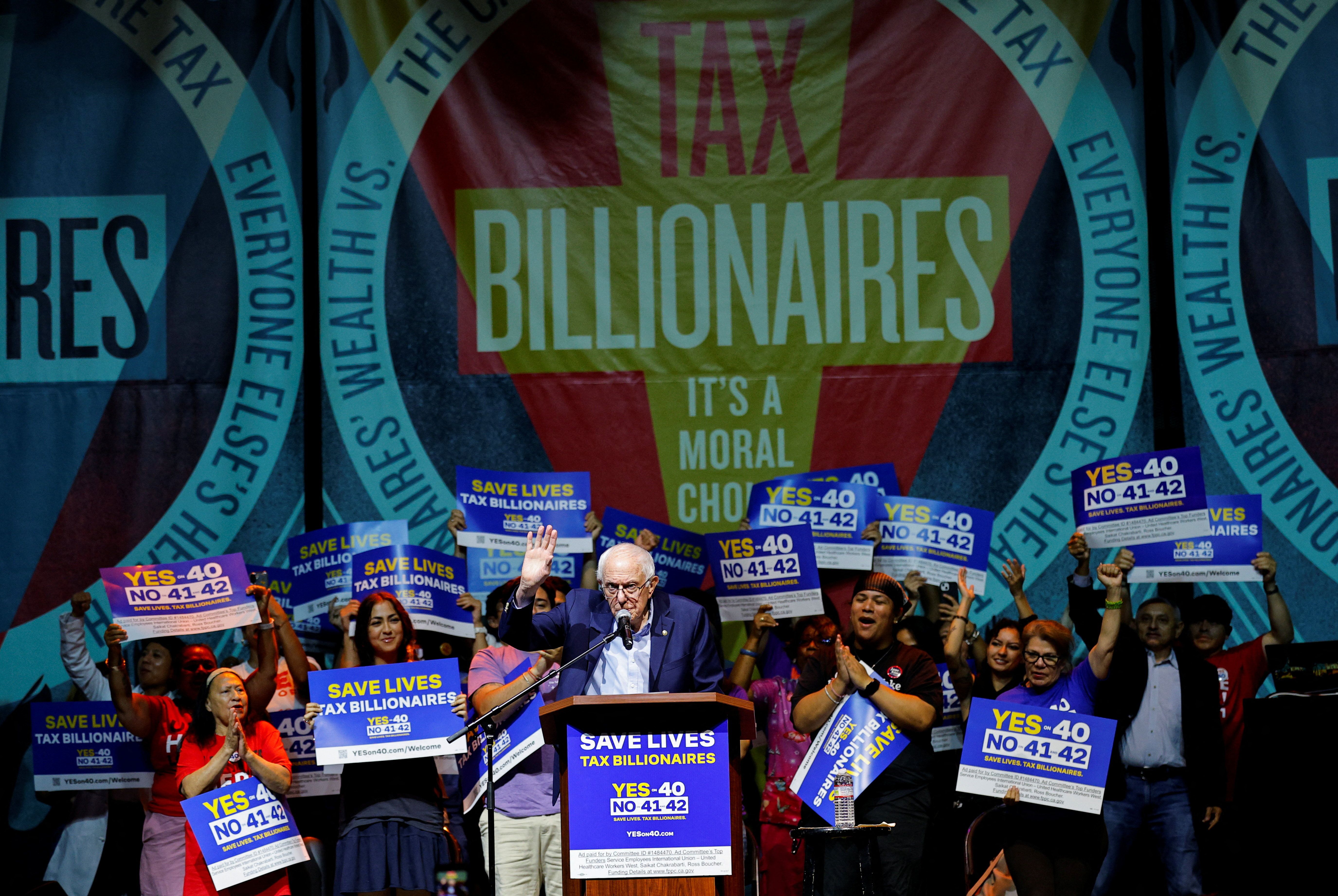
Voters in the United States rejected several progressive ballot initiatives on election night, despite Democrats gaining control of the White House. In California, where Republicans lost heavily, voters rejected a billionaire wealth tax and made it harder to establish one in the future. A measure that would have piloted public financing of elections was likely killed as well.
In Colorado, a deep-blue state, voters banned gender surgeries for minors by a margin of 4 points and sought to bar trans athletes from participating in female sports by 5 points. Similar sports proposals passed in Washington, with a 12-point margin, while Democrats expanded their state legislative majority.
In Iowa, where Democratic Governor-elect Rob Sand led a comeback for his party, voters backed a two-thirds legislative supermajority requirement for any income tax increase. Despite Democrats rejecting these conservative ideas, they believe that insufficient voter education and muddled messaging contributed to their loss. Suzanne Jimenez, chief of staff at SEIU-UHW and a proponent of the California wealth tax, believes that with better voter education, Democrats could win similar ballot measures in the future.
Saikat Chakrabarti, who unsuccessfully campaigned for the wealth tax in California, attributes the failure to a lack of effective messaging, despite having a winning issue.
The Proposition 40 campaign, which sought to defeat a wealth tax, was heavily outspent. $152 million was raised against it, compared to $33 million for supporting it. Similar disparities existed in other conservative victories. In Washington, supporters of the transgender sports ban outspent opponents by a 3-1 margin. In Colorado, where transgender sports and medicine bans for minors passed, the "yes" side faced significant financial opposition from the Families Not Politics coalition.
Despite the defeats, Democrats remain committed to their positions. However, they acknowledge that their messaging may have been ineffective. They plan to continue fighting for progressive causes, but recognize the need for clearer and more targeted communication strategies.
Written by urgent.news from Semafor's reporting — not their text. Machine-written — may contain errors; check the original before relying on it.