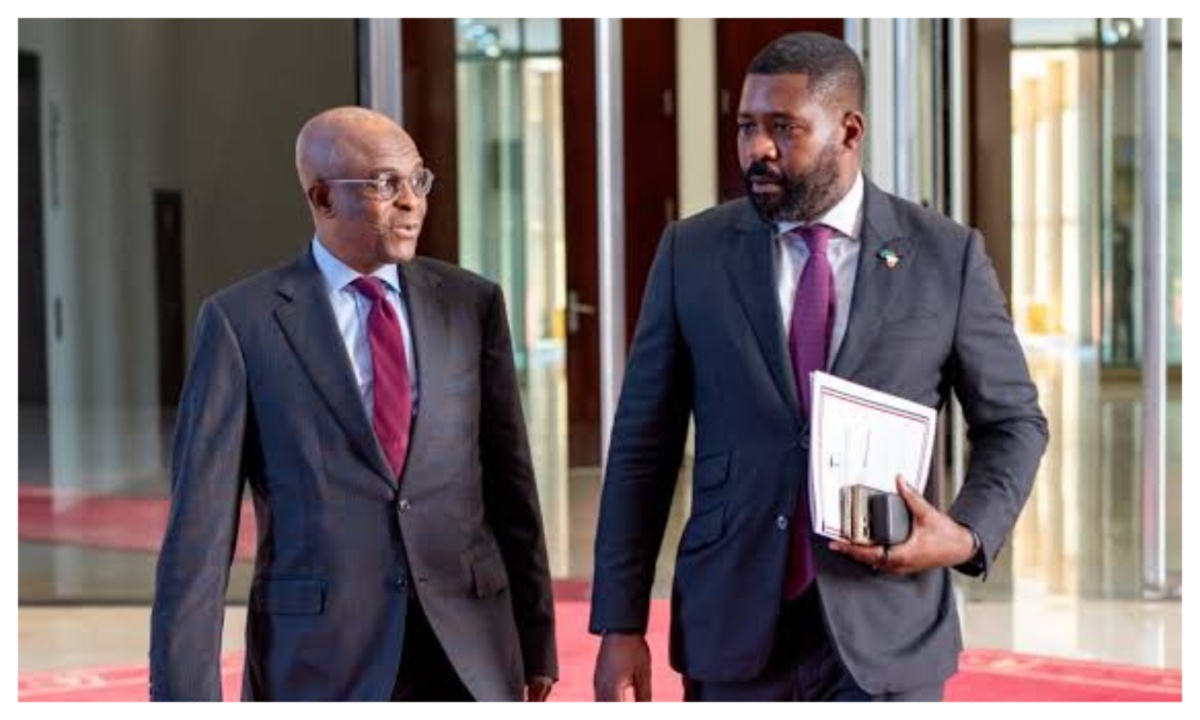
Voter-roll deletions leave some Indian Muslims facing detention, deportation
WHEN Sahida Fakir stepped out of her Mumbai home on July 19 to buy vegetables, she told her son she would be back in minutes.
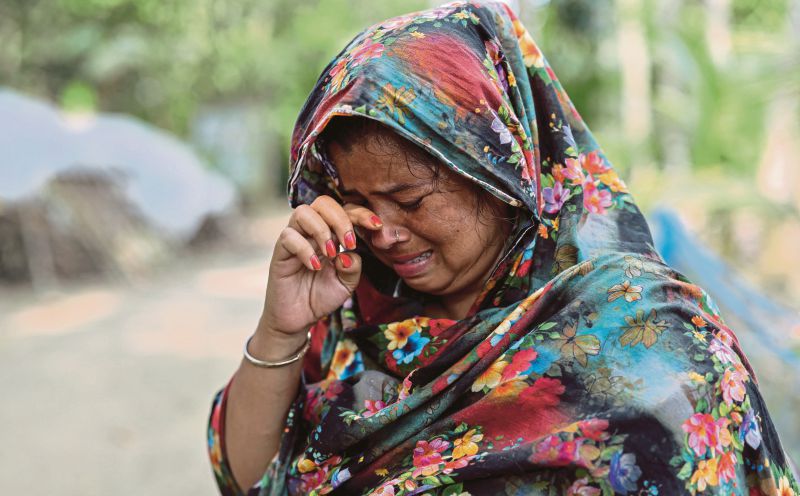
Sahida Fakir was walking to buy groceries in Mumbai on July 19 when she was suddenly detained by plainclothes officers who confiscated her phone - the only device containing copies of her identity documents. According to Fakir, the officers belonged to Mumbai's Crime Branch and were part of a crackdown on those whose names had been removed from India's revised electoral rolls.
Fakir, along with nine other families, is among those that Reuters interviewed after their loved ones were detained, deported or questioned due to being omitted from the rolls.
All these families, as well as their relatives, previously held Indian identity or family documents, while the individuals in question were absent from the voter lists. The voter roll revisions encompassed 130 million deletions nationwide, making it the largest such purge in India's history. Data reveals that Muslim citizens, the largest minority in India, were disproportionately affected by the deletions, with rights groups alleging that the BJP, led by Prime Minister Narendra Modi, was employing exclusionary policies and discrimination against Muslims since taking power in 2014.
In West Bengal, where the voter roll revision was most extensive, around 2.7 million Muslim names were deleted - accounting for approximately 70% of those removed. This occurred despite Muslims comprising only 27% of the state's population. Sabir Ahamed, founder of the Kolkata-based Sabar Institute, posited that the voter deletions likely played a significant role in the West Bengal elections, which the BJP won and subsequently took control of the state for the first time.
Fakir was taken to Bangladesh at around 1 am from an unfenced, unmanned stretch of the border. Her husband, Jumman, is currently contesting her case in court alongside millions of other individuals challenging the voter roll revision in West Bengal. Family records indicate that Fakir's parents and grandparents were registered voters since India's first national election in 1952, and their names appeared on the 2002-2003 rolls.
Fakir herself has been on the electoral rolls of West Bengal since at least 2008, according to her voter ID.
Written by urgent.news from New Straits Times's reporting — not their text. Machine-written — may contain errors; check the original before relying on it.