US marijuana farms are becoming AI data centers — they already have the water and power needed, and with weed revenues falling, it seems an ideal switch
Declining marijuana revenues are prompting growers to convert cultivation facilities into smaller data centers, although infrastructure and regulatory obstacles remain.
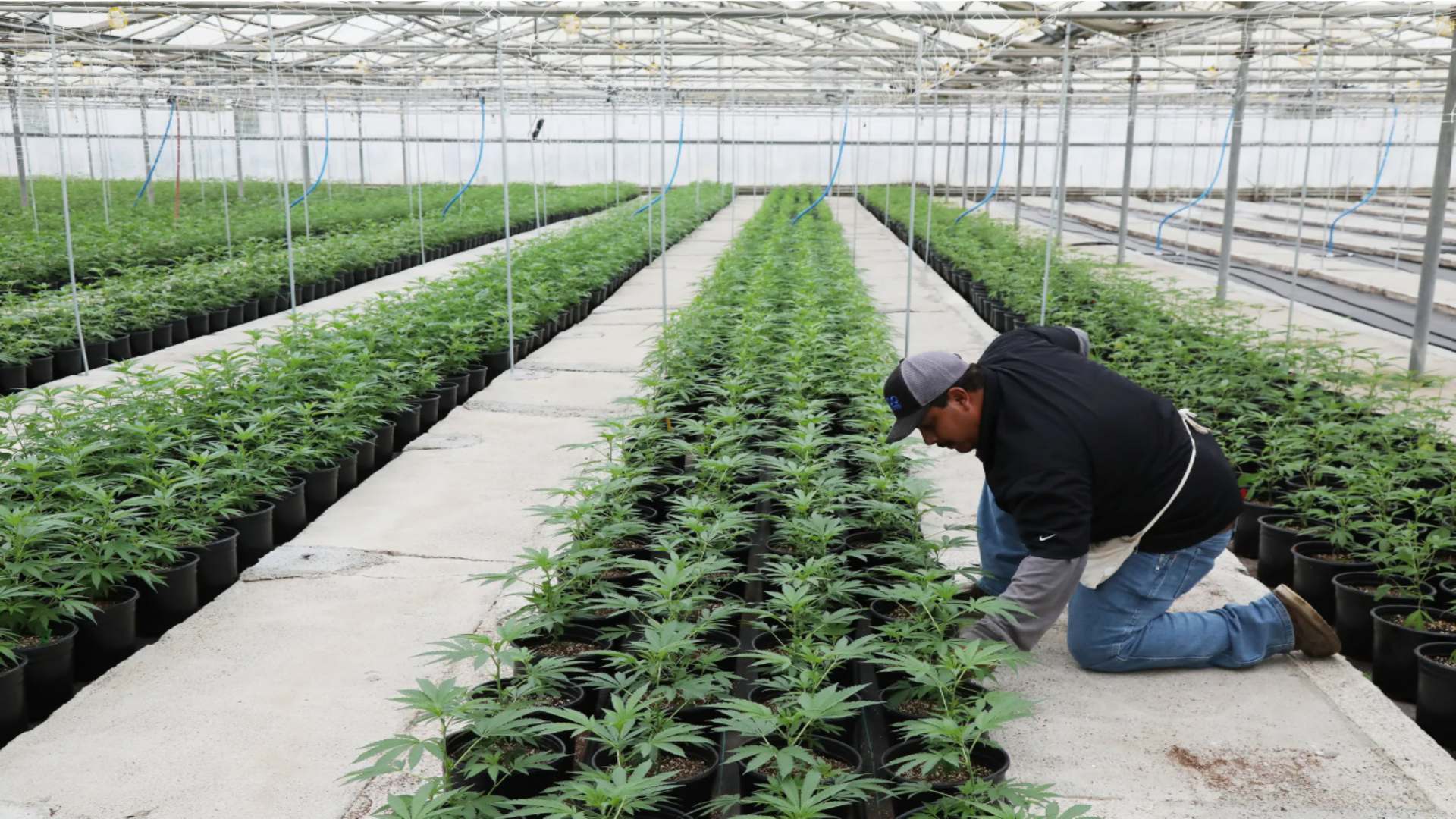
As marijuana revenues decline, cannabis growers are exploring new uses for their properties. Former and current growers recognize that these facilities already possess the necessary infrastructure for AI data centers. Indoor cannabis cultivation requires significant electricity and water supplies, making many cultivation properties attractive to data center operators.
Specific examples include a 32,850-square-foot facility in Kalamazoo, Michigan, which already has electrical capacity of 1.5 megawatts and can expand to 2.5 megawatts in one year, with potential future growth to 15 megawatts. The property also features fiber internet connectivity and a heating, ventilation, and air conditioning system suitable for controlled indoor temperatures.
While conversion to a data center poses challenges, such as electricity prices, fiber connectivity, and taxation, Tucson City Council member Paul Cunningham sees existing industrial properties as a more acceptable alternative to building new facilities. Nevertheless, smaller installations must consider restrictive zoning regulations, construction restrictions, neighborhood opposition, and expensive electricity infrastructure improvements.
Despite these hurdles, resistance to large-scale computing developments may encourage operators to explore existing industrial properties, provided their infrastructure meets commercial requirements.
Written by urgent.news from TechRadar's reporting — not their text. Machine-written — may contain errors; check the original before relying on it.