US curbs open up to scrutiny key pathway Chinese AI labs use to obtain advanced compute: Expert
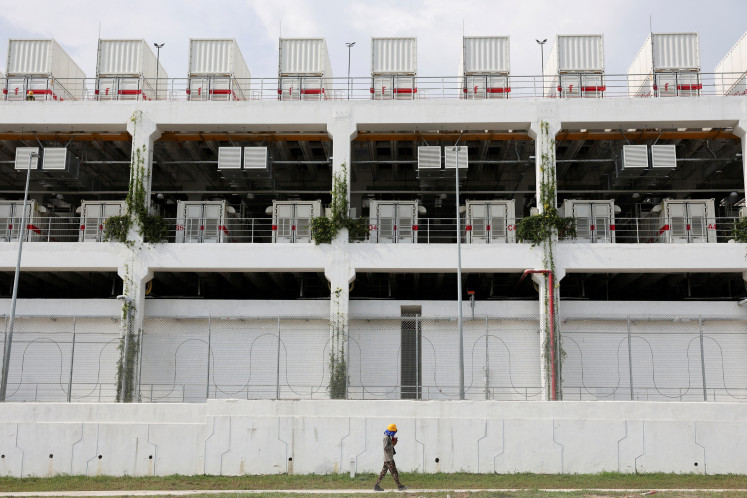
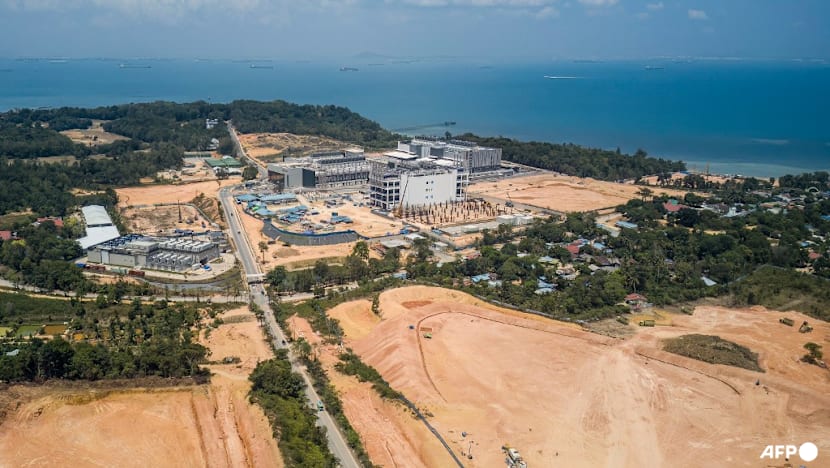
The expert noted Malaysia, Singapore, Thailand and Indonesia face curbs as they acted as transshipment networks

The U.S. Commerce Department has issued an interim rule on Monday, requiring licenses for exports of advanced AI chips and servers to data centers worldwide that may provide computing power to Chinese companies. Additionally, extra licensing requirements were imposed for Singapore, Malaysia, Thailand, Indonesia, and Brazil. Ryan Fedasiuk, a senior fellow at the Foundation on American Innovation, discussed the implications of these measures for China's AI ambitions, Washington's partners in Southeast Asia, and India.
The rule aims to plug loopholes that Chinese AI labs have exploited to obtain advanced compute, which is a significant step in the right direction. However, enforcement will be crucial. The development of this rule was likely influenced by the Jensen Huang affair. Five countries were singled out as key hubs for transshipment or large-scale provision of remote access to Chinese AI labs.
Malaysia, Singapore, Thailand, and Indonesia have been major hubs or transshipment networks for compute destined for China or rented by Chinese AI labs. Meanwhile, Brazil is an outlier due to its modernizing grid and less stringent rules on disclosing entity operators. China faces a dilemma, as it has been using this loophole extensively, but denying its existence could lead to contradictions.
The rule does have a substantial impact on China's AI industry, though the exact extent of compute availability through third-party vendors in Southeast Asia is unclear. India, while not initially on the list, may appear more trustworthy for AI data center investment due to its grid modernization efforts. This rule adds a compliance burden for companies operating data centers in India, though the magnitude of this burden remains to be seen.
Written by urgent.news from Hindustan Times's reporting — not their text. Machine-written — may contain errors; check the original before relying on it.