Tribes push back as Congress moves to fast-track energy projects
A bipartisan “permitting reform” bill would help expand the grid, but tribal nations fear it would mean “the demolition of our heritage.”
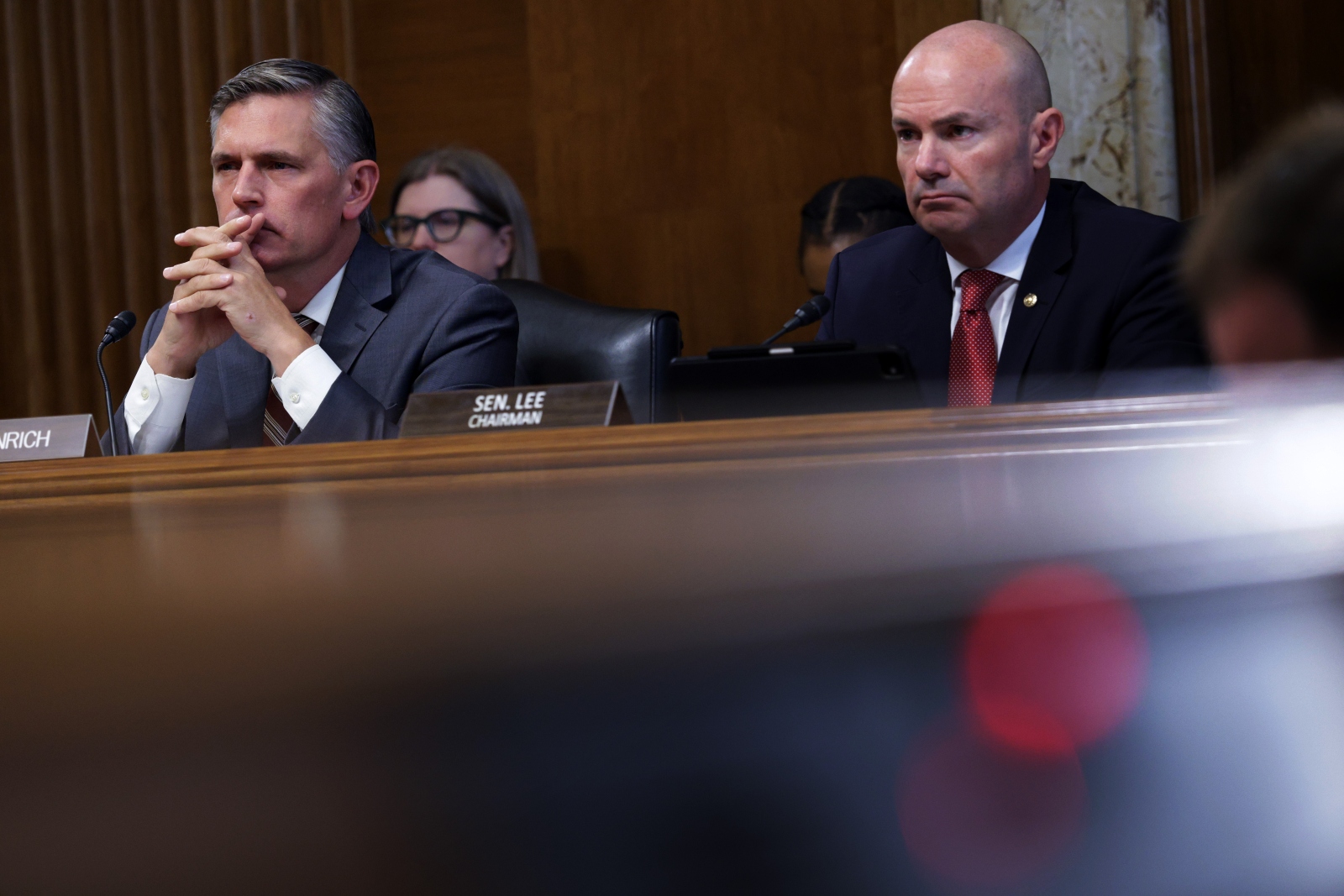
For years, tribal nations have been pushing back against a bipartisan "permitting reform" bill that Congress is close to passing. The legislation, negotiated by Democrats Sheldon Whitehouse and Republican Mike Lee, aims to streamline the approval process for power plants and power lines across the nation. Clean energy advocates, business groups, and fossil fuel interests support the measure.
However, the bill has divided the climate movement, with tribal nations expressing concern over its potential impact on tribal sovereignty and cultural sites. The 1966 National Historic Preservation Act requires the federal government to consider the impact of construction projects on historical, cultural, and religious properties, including those outside reservation boundaries.
Tribal nations have used this law to halt energy projects they claim would damage sacred territories or religious sites, as demonstrated by the Quechan Tribe's successful lawsuit against a solar farm that would have disrupted religious sites. While the bill cleared a Senate procedural hurdle, its fate remains uncertain in the House due to opposition from some Democrats, including likely Speaker of the House Hakeem Jeffries, who criticized the bill's failure to adequately protect tribal sovereignty.
Written by urgent.news from Grist's reporting — not their text. Machine-written — may contain errors; check the original before relying on it.