Today I learned your phone's camera exists because NASA wanted smaller cameras for space missions
Your smartphone camera started life as a NASA space project
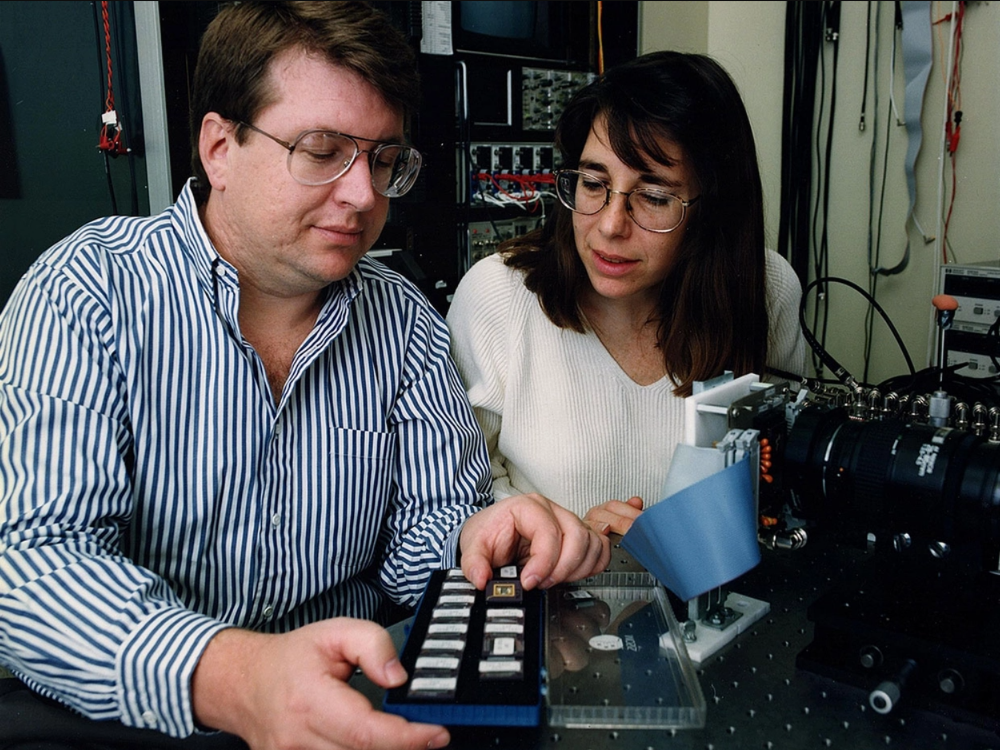
Almost every smartphone camera relies on a technology that originated from NASA's Jet Propulsion Laboratory. This technology, the CMOS image sensor, was developed in the early 1990s by a team led by engineer Eric Fossum to create smaller cameras for space missions. Fossum aimed to drastically reduce the size of spacecraft cameras, and the CMOS sensor became a pivotal solution.
The charge-coupled device (CCD), the dominant sensor of the time, was large, power-hungry, and difficult to miniaturize. NASA's Voyager probes even used hefty vidicon cameras that weighed 38.2kg. In contrast, Fossum's CMOS active pixel sensor, based on standard computer chip technology, produced clearer images using a fraction of the power.
Despite initial skepticism from the digital imaging industry, the sensor found its way into various products, including webcams and a pill camera before being acquired by Micron Technology in 2001. Today, the CMOS sensor is a cornerstone of the $25.3 billion market, with mobile devices accounting for 63% of its revenue. The first smartphone featuring a CMOS sensor was Sharp's J-Sh04 in 2000, and modern phones boast cameras with hundreds of times that resolution.
Eric Fossum received the 2017 Queen Elizabeth Prize for Engineering for his groundbreaking work, highlighting the unexpected origins of technology we take for granted in our everyday lives.
Written by urgent.news from TechRadar's reporting — not their text. Machine-written — may contain errors; check the original before relying on it.
This story
This is one outlet's version. Read the fullest account.
- On this day in space! Nov. 17, 1967: NASA's Surveyor 6 moon probe makes 1st-ever successful launch and hop from the lunar surface space.com
- Over a decade of atmospheric data from NASA's Curiosity rover hints at small amounts of surface water on Mars phys.org
- Over 300 students take part in NASA Space Apps Challenge at VIT-AP University thehindu.com