The Legend of Zelda: Ocarina of Time Remake Is Already Running Rampant on PC — but Can Nintendo Do Anything About It?
The Legend of Zelda: Ocarina of Time remake is running rampant on PC, but can Nintendo actually do anything about it? We asked legal experts to find out.
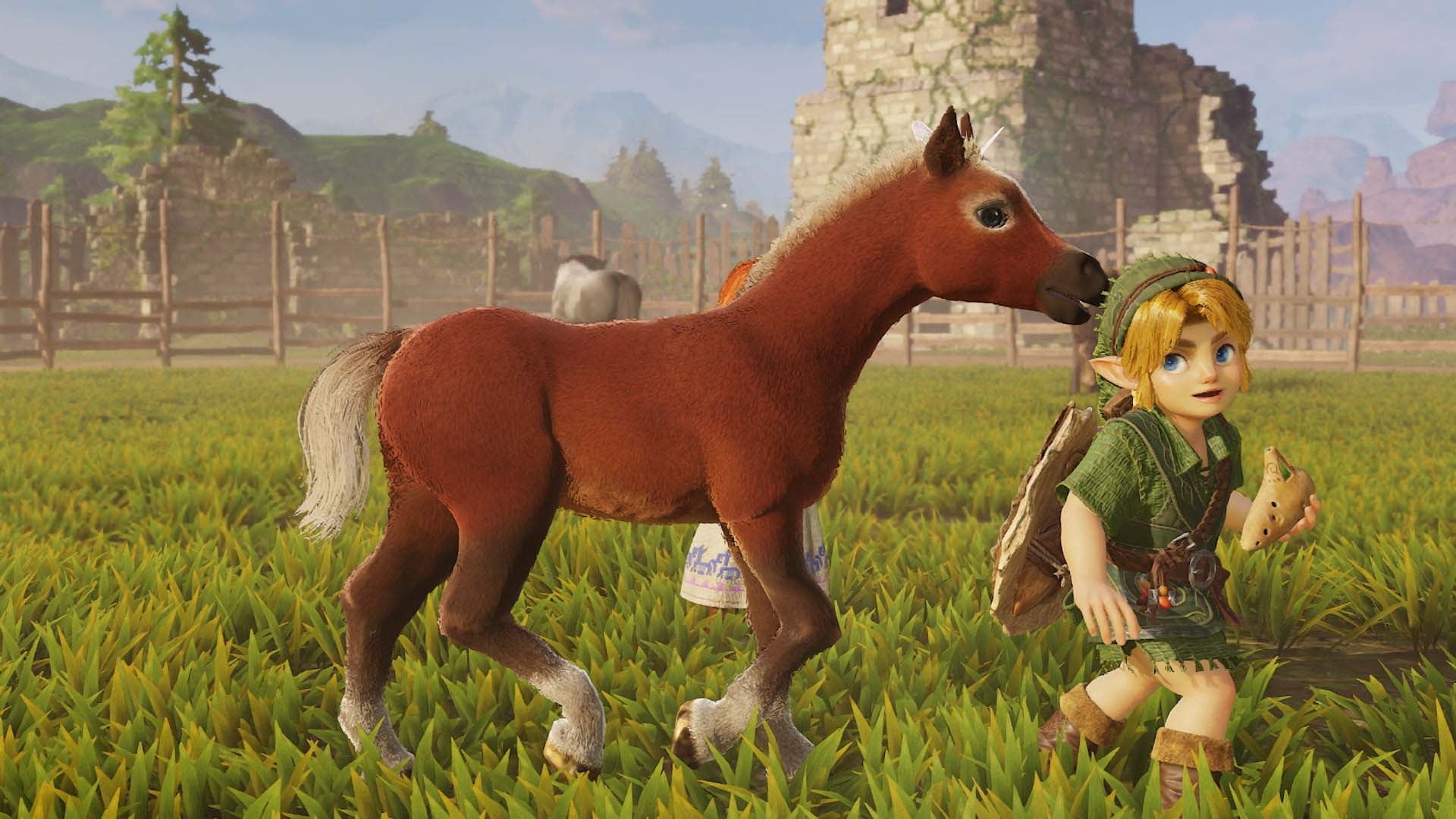
The Legend of Zelda: Ocarina of Time remake has sparked a rush of PC users finding ways to play the game via emulators and recompilation tools. These methods involve either utilizing an emulator or recompilation tools that run the game natively on PC without emulation. Both groups insist that users must supply their own game files, which Nintendo insists helps protect their interests.
This move is not surprising, as large releases often face similar scenarios. However, the speed and number of these PC ports are unprecedented.
Many of these emulators and tools have been assisted by AI, which has drawn mixed reactions and raised safety concerns. Yet, the Ocarina of Time ports on PC have drawn the most attention, with some players even managing to create unofficial multiplayer versions just days after launch. While the quality and safety of these PC ports are debatable, the main question remains: can Nintendo do anything about it?
Legal experts, including Kirk Sigmon from KellDann Law and Zohaib Hashim from Blackmont Legal, argue that emulators and decompilation tools are generally legal. They point to earlier cases, such as Sony's unsuccessful lawsuit against the creator of a PlayStation emulator in 2000, which suggests that emulators and reverse engineering of game consoles are legal on their own.
While Nintendo is known for its litigious nature and has successfully sued emulators before, Sigmon believes the current situation might be more complex. He believes the law is favorable towards emulators and that Nintendo may struggle to stop the Ocarina of Time PC ports due to the nature of the software and its development.
However, Sigmon also acknowledges that Nintendo is likely to attempt to shut down Lichii, the popular emulator, and the teams responsible for the decompilation. They may target minor infractions, such as using certain art, music, or logos, or even the uploading of emulated game content on YouTube. Additionally, experts like Michael Dilworth of Dilworth IP LLC warn that Nintendo could leverage the Digital Millennium Copyright Act (DMCA) to further its legal claims.
This statute restricts the circumvention of technological protections and the distribution of certain circumvention technologies, which could be used against these PC port creators.
Ultimately, while there appears to be reasonable legal defense for those using the emulators or recompilation tools, the situation becomes murky for those who use these tools. Nintendo's end-user license agreement (EULA) could potentially be breached, and circumventing DRM protections may be considered an infringement. Though Sigmon believes that Nintendo would face significant hurdles in enforcing these terms, others argue that circumventing protections without a legitimate purpose may still violate Nintendo's EULA and Terms of Service.
Written by urgent.news from IGN's reporting — not their text. Machine-written — may contain errors; check the original before relying on it.